THE ADVENTURE COLLECTIVE® · Independent discovery and booking for outdoor travel

Combine two of southern Peru’s most compelling day trips in one itinerary: the engineered grace of Machu Picchu and the mineral spectacle of Rainbow Mountain. This two-day tour packs history, high-altitude hiking, and rail travel into a tightly scheduled adventure from Cusco.
Combine two of southern Peru’s most compelling day trips in one itinerary: the engineered grace of Machu Picchu and the mineral spectacle of Rainbow Mountain. This two-day tour packs history, high-altitude hiking, and rail travel into a tightly scheduled adventure from Cusco.
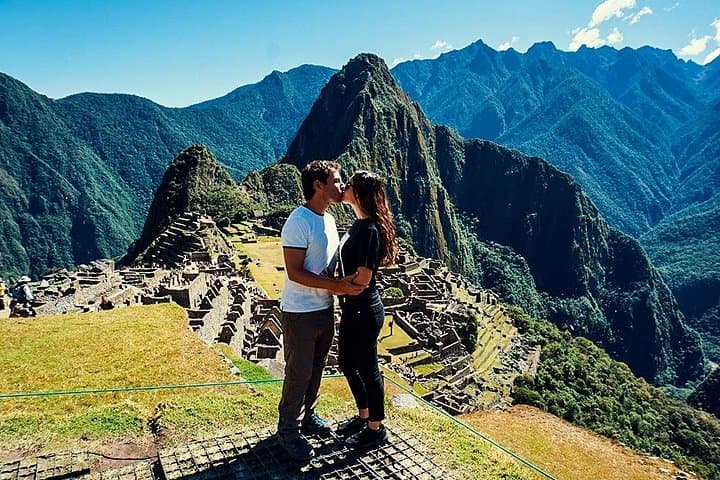
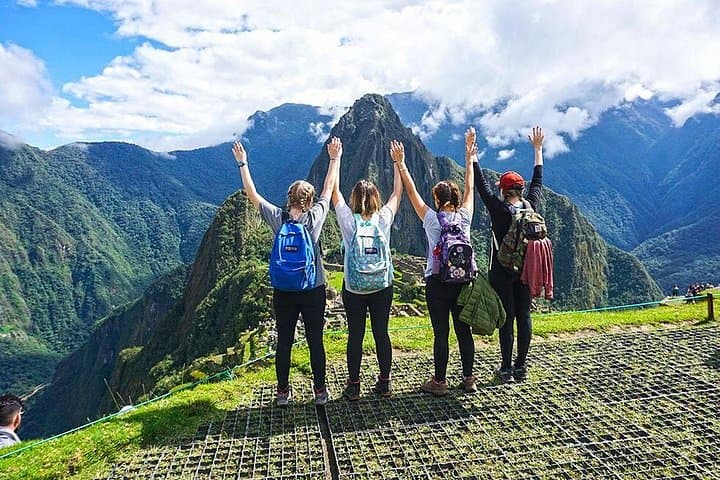
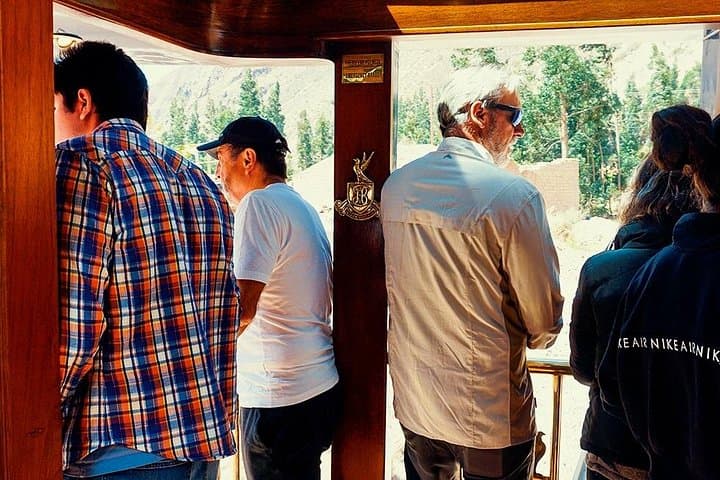
You step out before dawn in Cusco, the air thin and bright, and the van hums toward Ollantaytambo. Through pampa and terraced slopes the train cuts into cloud-shadowed canyons; arriving in Aguas Calientes you trade tracks for a short bus ride that climbs to the stone gate of Machu Picchu. The city’s terraces and trapezoidal doorways present themselves with the blunt clarity of engineered space that has rested here since the 15th century.
Verified experiences and guided adventures in the surrounding area.
Operated by Machupicchu andes tours · Aguas Calientes, Cusco
You step out before dawn in Cusco, the air thin and bright, and the van hums toward Ollantaytambo. Through pampa and terraced slopes the train cuts into cloud-shadowed canyons; arriving in Aguas Calientes you trade tracks for a short bus ride that climbs to the stone gate of Machu Picchu. The city’s terraces and trapezoidal doorways present themselves with the blunt clarity of engineered space that has rested here since the 15th century.
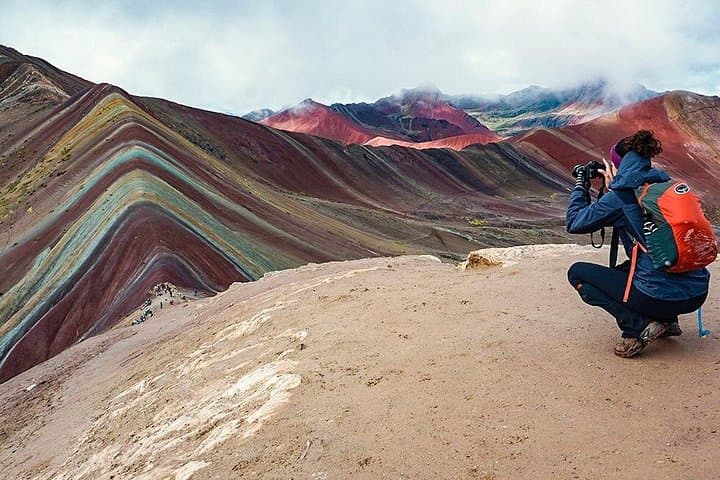
Machu Picchu sits on a granite spine above the Urubamba River, an Inca administrative and ceremonial center that showcases sophisticated dry-stone construction and a deep relationship with the mountains. The next day’s contrast is geological: Rainbow Mountain (Vinicunca) is a compressed record of mineral deposits — iron oxides, copper sulfates and other strata exposed by erosion and glaciation, painted into bands of red, green and gold.
Culture rides alongside geology: Andean communities still herd llamas and tend potato plots; you’ll pass small villages where Quechua is common and traditional foods like cancha and cuy appear at market stalls. Practicalities determine the enjoyment: altitude pushes the pace here — allow time to acclimatize, move slowly on steep sections, and keep water close.
Plan to carry layered clothing, a daypack, and sturdy footwear for mixed terrain: cobbled paths at Machu Picchu and loose, high-elevation scree on the Rainbow Mountain approach. Early starts, train reservations, and passport-ready Machu Picchu tickets keep the logistics simple, letting the landscape do the rest.
Yes — a valid passport is required to enter Machu Picchu and must match the name on your ticket.
The route is a sustained 3.4 km ascent with thin air; expect steep sections and plan for slow, measured pace and rests.
The tour includes transfers to Ollantaytambo, train tickets to/from Aguas Calientes, and shuttle buses up to Machu Picchu entrance as listed in the inclusions.
Bring medications like acetazolamide only if prescribed, drink water, avoid alcohol the day before, and descend or seek care if symptoms worsen.
Machupicchu andes tours operates guided outdoor trips and adventures with an emphasis on safety, stewardship, and memorable experiences.
You step out before dawn in Cusco, the air thin and bright, and the van hums toward Ollantaytambo. Through pampa and terraced slopes the train cuts into cloud-shadowed canyons; arriving in Aguas Calientes you trade tracks for a short bus ride that climbs to the stone gate of Machu Picchu. The city’s terraces and trapezoidal doorways present themselves with the blunt clarity of engineered space that has rested here since the 15th century.
You step out before dawn in Cusco, the air thin and bright, and the van hums toward Ollantaytambo. Through pampa and terraced slopes the train cuts into cloud-shadowed canyons; arriving in Aguas Calientes you trade tracks for a short bus ride that climbs to the stone gate of Machu Picchu. The city’s terraces and trapezoidal doorways present themselves with the blunt clarity of engineered space that has rested here since the 15th century.
Machu Picchu sits on a granite spine above the Urubamba River, an Inca administrative and ceremonial center that showcases sophisticated dry-stone construction and a deep relationship with the mountains. The next day’s contrast is geological: Rainbow Mountain (Vinicunca) is a compressed record of mineral deposits — iron oxides, copper sulfates and other strata exposed by erosion and glaciation, painted into bands of red, green and gold.
Culture rides alongside geology: Andean communities still herd llamas and tend potato plots; you’ll pass small villages where Quechua is common and traditional foods like cancha and cuy appear at market stalls. Practicalities determine the enjoyment: altitude pushes the pace here — allow time to acclimatize, move slowly on steep sections, and keep water close.
Plan to carry layered clothing, a daypack, and sturdy footwear for mixed terrain: cobbled paths at Machu Picchu and loose, high-elevation scree on the Rainbow Mountain approach. Early starts, train reservations, and passport-ready Machu Picchu tickets keep the logistics simple, letting the landscape do the rest.