THE ADVENTURE COLLECTIVE® · Independent discovery and booking for outdoor travel

Ride the Sacred Valley by train, sleep in Aguas Calientes, and be at Machu Picchu for sunrise on this compact 2‑day tour from Cusco. Practical logistics, early buses, and ticket tips make the difference between a rushed visit and a full morning on the citadel.
Ride the Sacred Valley by train, sleep in Aguas Calientes, and be at Machu Picchu for sunrise on this compact 2‑day tour from Cusco. Practical logistics, early buses, and ticket tips make the difference between a rushed visit and a full morning on the citadel.
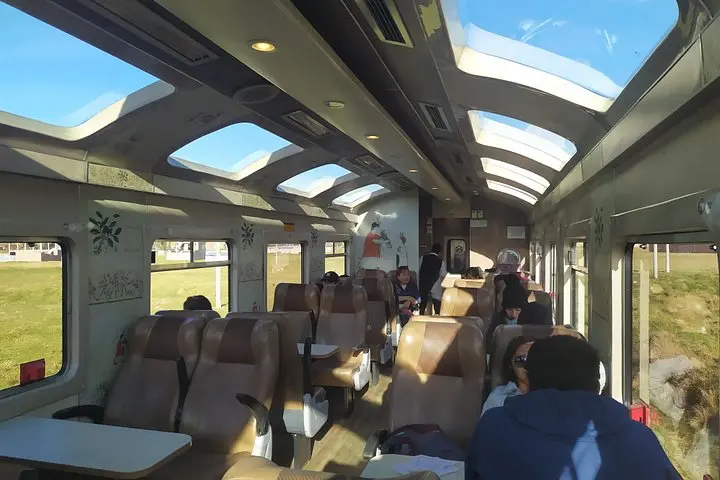
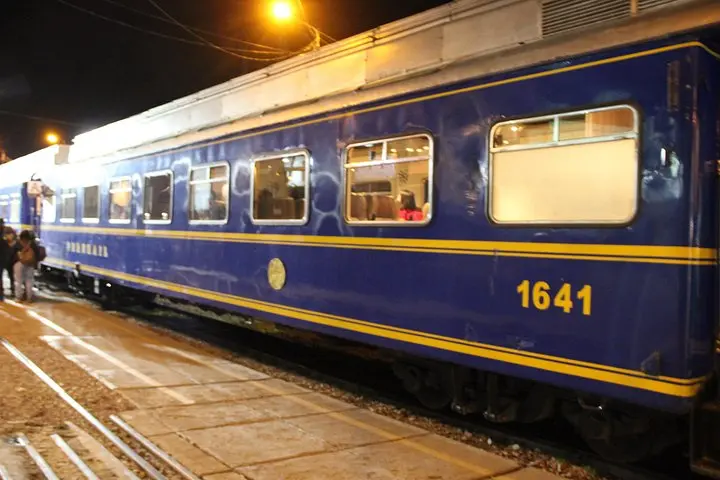
The train windows frame the Sacred Valley like a moving map: terraced fields, craggy peaks, and the Urubamba River daring you toward the cloud forest. By mid‑afternoon you arrive in Aguas Calientes, a compact town that feels like the gateway to a lost city; lights of the pueblo blink below the dark silhouette of Machu Picchu.
Verified experiences and guided adventures in the surrounding area.
Operated by Machupicchu USA · Aguas Calientes, Cusco
The train windows frame the Sacred Valley like a moving map: terraced fields, craggy peaks, and the Urubamba River daring you toward the cloud forest. By mid‑afternoon you arrive in Aguas Calientes, a compact town that feels like the gateway to a lost city; lights of the pueblo blink below the dark silhouette of Machu Picchu.
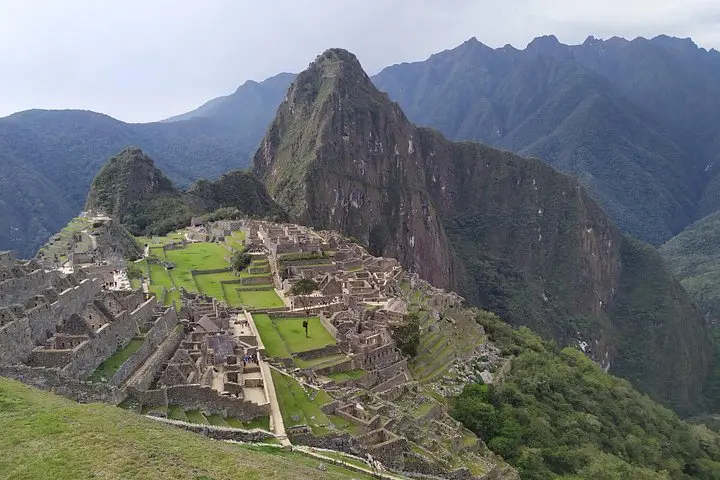
Machu Picchu sits at about 2,430 m (7,970 ft), carved by the Incas in the 15th century and rediscovered by Hiram Bingham in 1911. The site’s granite ridges and steep terraces are a product of Andean uplift and glacial sculpting; the citadel balances precise stonework with the narrow ridgelines of the eastern Andes. Local Quechua culture remains visible in surrounding villages—Chinchero and Ollantaytambo still trade alpaca textiles and foodstuffs shaped by high‑altitude farming.
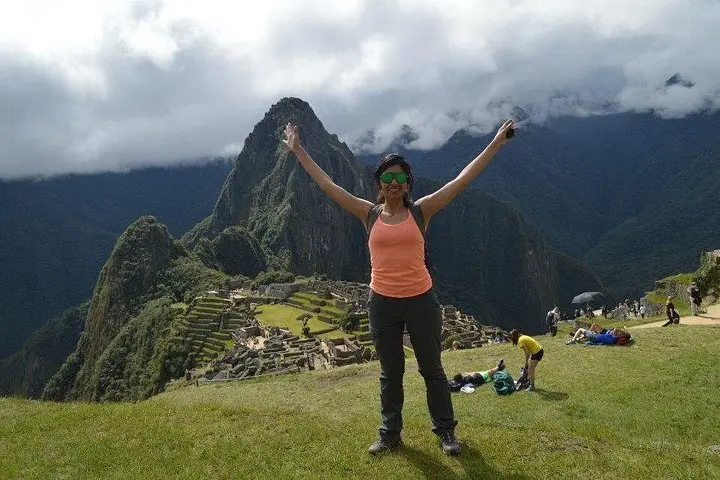
Practically: this tour departs Cusco by bus to Ollantaytambo, then a roughly 1.5‑hour train to Aguas Calientes (train times noted around 12:36 or 12:55). Overnight is in a 3‑star hotel with breakfast; buses to the citadel begin ~5:30 a.m. Expect a 30‑minute, steep bus ride up to the entrance. Guided time in Machu Picchu is about 1.5 hours with additional free time—bring a permit if you want to climb Huayna Picchu (limited, steep ~200–300 m gain) or Machu Picchu Mountain (longer, higher ascent).
Prepare for altitude, sudden rain, and bright sun: hydrate, layer up, and carry cash (soles) for small purchases. Passport and your printed or mobile ticket are required; book trains and entrance tickets in advance to secure the early access that makes sunrise worthwhile.
Yes—your passport name and number are required for train and site entry; bring the same passport used when booking.
Cusco sits much higher than Machu Picchu; most visitors should allow time to acclimatize in Cusco and drink plenty of water to reduce symptoms.
Possibly, but Huayna Picchu requires a separate, limited ticket; arrange it before travel. The climb is steep and exposed with narrow stone steps.
Train tickets from Ollantaytambo and return, plus Machu Picchu admission and one night hotel in Aguas Calientes, are included per the itinerary—confirm exact train times when you book.
Machupicchu USA operates guided outdoor trips and adventures with an emphasis on safety, stewardship, and memorable experiences.
The train windows frame the Sacred Valley like a moving map: terraced fields, craggy peaks, and the Urubamba River daring you toward the cloud forest. By mid‑afternoon you arrive in Aguas Calientes, a compact town that feels like the gateway to a lost city; lights of the pueblo blink below the dark silhouette of Machu Picchu.
The train windows frame the Sacred Valley like a moving map: terraced fields, craggy peaks, and the Urubamba River daring you toward the cloud forest. By mid‑afternoon you arrive in Aguas Calientes, a compact town that feels like the gateway to a lost city; lights of the pueblo blink below the dark silhouette of Machu Picchu.
Machu Picchu sits at about 2,430 m (7,970 ft), carved by the Incas in the 15th century and rediscovered by Hiram Bingham in 1911. The site’s granite ridges and steep terraces are a product of Andean uplift and glacial sculpting; the citadel balances precise stonework with the narrow ridgelines of the eastern Andes. Local Quechua culture remains visible in surrounding villages—Chinchero and Ollantaytambo still trade alpaca textiles and foodstuffs shaped by high‑altitude farming.
Practically: this tour departs Cusco by bus to Ollantaytambo, then a roughly 1.5‑hour train to Aguas Calientes (train times noted around 12:36 or 12:55). Overnight is in a 3‑star hotel with breakfast; buses to the citadel begin ~5:30 a.m. Expect a 30‑minute, steep bus ride up to the entrance. Guided time in Machu Picchu is about 1.5 hours with additional free time—bring a permit if you want to climb Huayna Picchu (limited, steep ~200–300 m gain) or Machu Picchu Mountain (longer, higher ascent).
Prepare for altitude, sudden rain, and bright sun: hydrate, layer up, and carry cash (soles) for small purchases. Passport and your printed or mobile ticket are required; book trains and entrance tickets in advance to secure the early access that makes sunrise worthwhile.