THE ADVENTURE COLLECTIVE® · Independent discovery and booking for outdoor travel

Spend two days hiking through tea and coffee plots, staying with village hosts, and visiting a seven-tier waterfall and nearby hot springs. This compact trek pairs short uphill walks with cultural experiences and an overnight homestay.
Spend two days hiking through tea and coffee plots, staying with village hosts, and visiting a seven-tier waterfall and nearby hot springs. This compact trek pairs short uphill walks with cultural experiences and an overnight homestay.
Morning light slices through bamboo groves as you leave Chiang Mai and climb into the forested ridges that hold Ban Mae Kampong. The road eases into a narrow village track; wooden houses on stilts, coffee drying racks, and terraced tea plots line the way. A 7-tier waterfall waits mid-afternoon, its pools daring you to cool off after a day on the trail.
Verified experiences and guided adventures in the surrounding area.
Operated by Asia Travel Links · Mae Kampong, Chiang Mai
Morning light slices through bamboo groves as you leave Chiang Mai and climb into the forested ridges that hold Ban Mae Kampong. The road eases into a narrow village track; wooden houses on stilts, coffee drying racks, and terraced tea plots line the way. A 7-tier waterfall waits mid-afternoon, its pools daring you to cool off after a day on the trail.
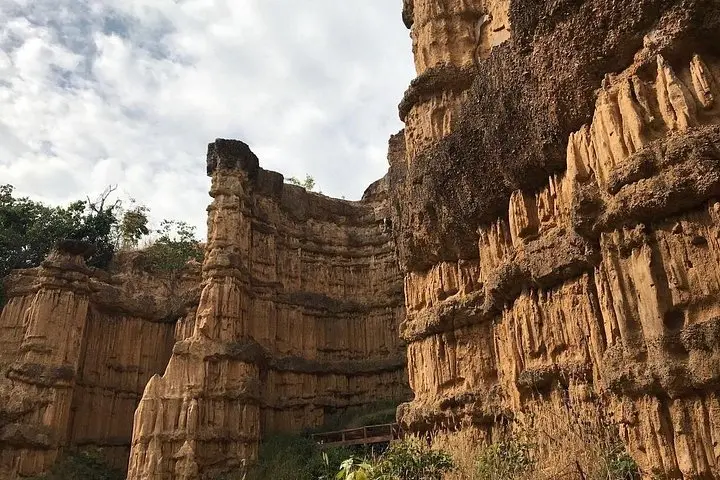
Mae Kampong sits in the upland foothills east of Chiang Mai, at roughly 600–900 meters elevation. Geologically the area is folded volcanic and sedimentary rock carved by seasonal streams; soils favor tea and coffee grown on gentle terraces. The village retains traditional Lanna culture—hosts still ferment tea leaves, weave baskets, and make bamboo furniture—and in recent years has adopted community-based homestays as a sustainable income source.
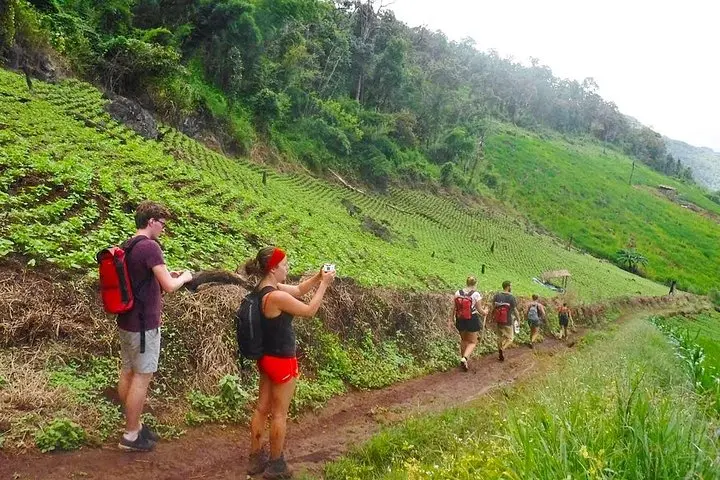
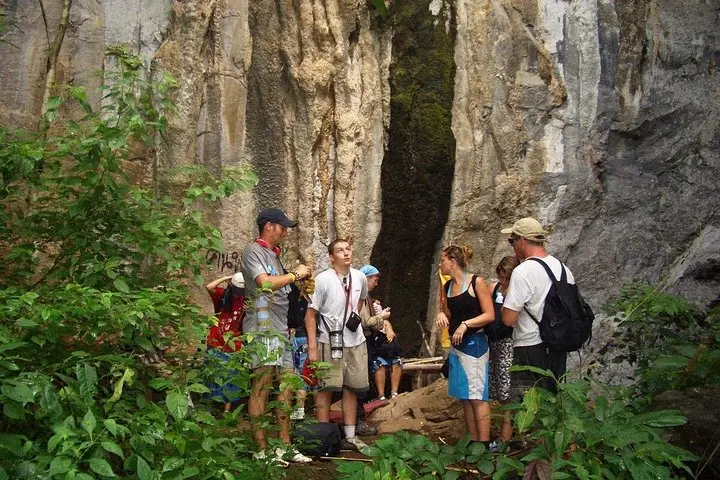
Expect short, steady hikes (each day 3–6 km on uneven dirt trails and steps, with occasional climbs of 200–400 m) between coffee plots, forest patches, and streams. One evening is spent cooking with your host and sleeping in a basic homestay; the next morning may include participating in an alms offering at the village temple before visiting the hot springs at San Kamphaeng.
Practical tips: travel light with sturdy shoes and a rain layer, plan for slippery steps after rain, and bring cash for small purchases in the village. The route is family-friendly but uneven; allow time to move slowly and respect local customs—ask before photographing people or private homes. Book a guided minivan transfer from Chiang Mai for the most reliable logistics.
Most tours include air-conditioned minivan transfer from Chiang Mai; private taxis and rented vehicles are also possible but roads can be narrow.
Homestays are basic but clean, typically with shared bathrooms and simple bedding; expect a local-style dinner and breakfast included in the program.
Daily walks are short to moderate (3–6 km) on uneven terrain with some climbs; they are suitable for people in normal health who can handle stairs and muddy sections.
Hosts generally adapt meals when notified in advance—inform the operator of vegetarian, halal, or allergy needs during booking.
Asia Travel Links operates guided outdoor trips and adventures with an emphasis on safety, stewardship, and memorable experiences.
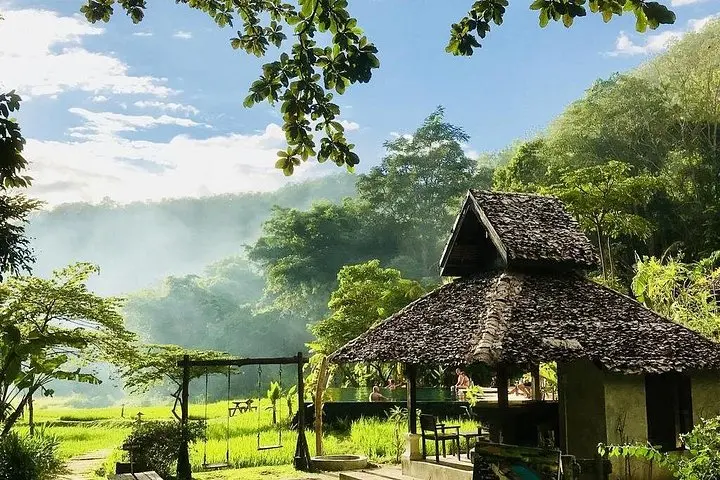
Morning light slices through bamboo groves as you leave Chiang Mai and climb into the forested ridges that hold Ban Mae Kampong. The road eases into a narrow village track; wooden houses on stilts, coffee drying racks, and terraced tea plots line the way. A 7-tier waterfall waits mid-afternoon, its pools daring you to cool off after a day on the trail.
Morning light slices through bamboo groves as you leave Chiang Mai and climb into the forested ridges that hold Ban Mae Kampong. The road eases into a narrow village track; wooden houses on stilts, coffee drying racks, and terraced tea plots line the way. A 7-tier waterfall waits mid-afternoon, its pools daring you to cool off after a day on the trail.
Mae Kampong sits in the upland foothills east of Chiang Mai, at roughly 600–900 meters elevation. Geologically the area is folded volcanic and sedimentary rock carved by seasonal streams; soils favor tea and coffee grown on gentle terraces. The village retains traditional Lanna culture—hosts still ferment tea leaves, weave baskets, and make bamboo furniture—and in recent years has adopted community-based homestays as a sustainable income source.
Expect short, steady hikes (each day 3–6 km on uneven dirt trails and steps, with occasional climbs of 200–400 m) between coffee plots, forest patches, and streams. One evening is spent cooking with your host and sleeping in a basic homestay; the next morning may include participating in an alms offering at the village temple before visiting the hot springs at San Kamphaeng.
Practical tips: travel light with sturdy shoes and a rain layer, plan for slippery steps after rain, and bring cash for small purchases in the village. The route is family-friendly but uneven; allow time to move slowly and respect local customs—ask before photographing people or private homes. Book a guided minivan transfer from Chiang Mai for the most reliable logistics.