THE ADVENTURE COLLECTIVE® · Independent discovery and booking for outdoor travel

A two-day journey from Marrakech to Aït Benhaddou and Ouarzazate moves through High Atlas passes to UNESCO-listed kasbahs. Expect short historical walks, dramatic clay architecture, and an overnight in Ouarzazate’s quiet desert edge.
A two-day journey from Marrakech to Aït Benhaddou and Ouarzazate moves through High Atlas passes to UNESCO-listed kasbahs. Expect short historical walks, dramatic clay architecture, and an overnight in Ouarzazate’s quiet desert edge.
Dust from the old caravan road lifts as the minivan leaves Marrakech, the High Atlas looming like a slow-moving wall ahead. By late afternoon the ochre silhouettes of Aït Benhaddou appear on a ridge: clay towers and stepped granaries catching the lowering sun, their windows like watchful eyes over the valley.
Verified experiences and guided adventures in the surrounding area.
Operated by Morocco First Gate · Ouarzazate, Drâa-Tafilalet
Dust from the old caravan road lifts as the minivan leaves Marrakech, the High Atlas looming like a slow-moving wall ahead. By late afternoon the ochre silhouettes of Aït Benhaddou appear on a ridge: clay towers and stepped granaries catching the lowering sun, their windows like watchful eyes over the valley.
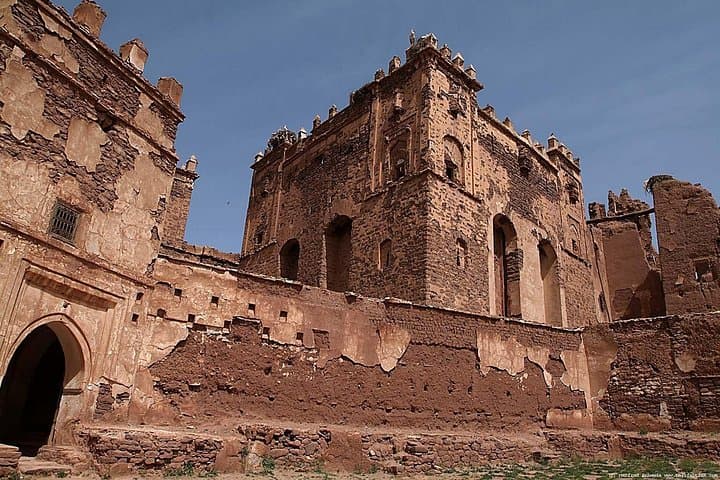
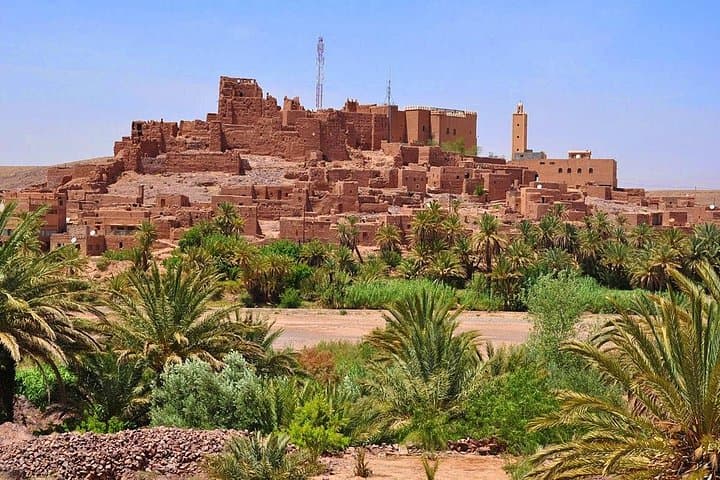
The ksar at Aït Benhaddou is a living record of southern Moroccan life — a cluster of pisé (rammed earth) buildings that evolved to store grain and shelter caravans crossing trans-Saharan routes. Geologically, this stretch of the High Atlas drains fast; the riverbeds cut channels and leave broad, stony plains where kasbahs were built for defense and visibility. Culturally, the region blends Berber traditions with historical trade links to Marrakech and the Sahara; the cinematic history here — from Lawrence of Arabia to modern epics — has layered another kind of tourism onto local life.
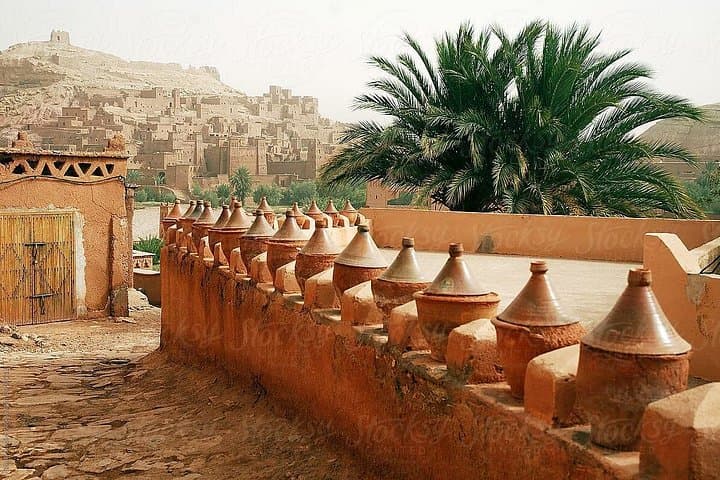
Expect guided walks through narrow alleys, steps up to rooftop viewpoints, and a night in Ouarzazate where cinema studios and Taourirt Kasbah offer quiet exploration. The pace is deliberate: short hikes on uneven clay and stone, photo stops at passes, and time to sample tagine and mint tea in a riad.
Practical notes: wear sturdy shoes, carry sun protection and water, and bring cash for small entrance fees and riad tips. Sunrise and late afternoon light are best for photos and cooler temperatures. Respect fragile earthen walls — avoid climbing unrepaired sections — and follow your guide’s safety notes for crossing wadi beds after rain.
A guide is recommended for historical context, navigation through the ksar, and to access certain viewpoints safely.
The route crosses the Tizi n'Tichka pass; it's paved but winding — motion-sensitive travelers should prepare and expect a multi-hour drive.
This tour includes entrance to the main kasbahs visited, but bring cash for optional museum or studio entry and local purchases.
Yes; winter can be cold and occasionally snowy on the High Atlas, while summer is hot — timing your visit for spring or fall offers milder weather.
Morocco First Gate operates guided outdoor trips and adventures with an emphasis on safety, stewardship, and memorable experiences.
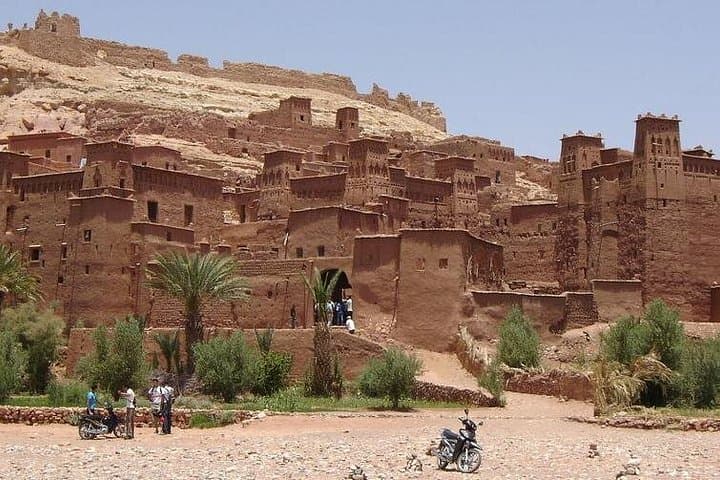
Dust from the old caravan road lifts as the minivan leaves Marrakech, the High Atlas looming like a slow-moving wall ahead. By late afternoon the ochre silhouettes of Aït Benhaddou appear on a ridge: clay towers and stepped granaries catching the lowering sun, their windows like watchful eyes over the valley.
Dust from the old caravan road lifts as the minivan leaves Marrakech, the High Atlas looming like a slow-moving wall ahead. By late afternoon the ochre silhouettes of Aït Benhaddou appear on a ridge: clay towers and stepped granaries catching the lowering sun, their windows like watchful eyes over the valley.
The ksar at Aït Benhaddou is a living record of southern Moroccan life — a cluster of pisé (rammed earth) buildings that evolved to store grain and shelter caravans crossing trans-Saharan routes. Geologically, this stretch of the High Atlas drains fast; the riverbeds cut channels and leave broad, stony plains where kasbahs were built for defense and visibility. Culturally, the region blends Berber traditions with historical trade links to Marrakech and the Sahara; the cinematic history here — from Lawrence of Arabia to modern epics — has layered another kind of tourism onto local life.
Expect guided walks through narrow alleys, steps up to rooftop viewpoints, and a night in Ouarzazate where cinema studios and Taourirt Kasbah offer quiet exploration. The pace is deliberate: short hikes on uneven clay and stone, photo stops at passes, and time to sample tagine and mint tea in a riad.
Practical notes: wear sturdy shoes, carry sun protection and water, and bring cash for small entrance fees and riad tips. Sunrise and late afternoon light are best for photos and cooler temperatures. Respect fragile earthen walls — avoid climbing unrepaired sections — and follow your guide’s safety notes for crossing wadi beds after rain.