THE ADVENTURE COLLECTIVE® · Independent discovery and booking for outdoor travel

Cross from the High Atlas to Erg Chebbi on a two-day journey that pairs kasbahs and gorges with a sunset camel ride and an Erg Chebbi sunrise. This compact itinerary delivers peak desert scenery with guided logistics and short on-foot explorations.
Cross from the High Atlas to Erg Chebbi on a two-day journey that pairs kasbahs and gorges with a sunset camel ride and an Erg Chebbi sunrise. This compact itinerary delivers peak desert scenery with guided logistics and short on-foot explorations.
The first light hits the sand as the convoy drops down from the High Atlas—dust and stone giving way to rolling, wind-sculpted dunes that seem to push travelers forward. On this two-day crossing from Marrakech to Fez, the landscape shifts dramatically: alpine passes and ochre kasbahs give way to riverine palm groves and finally to the deep orange ridges of Erg Chebbi, where camels step like patient boats across an endless sea.
Verified experiences and guided adventures in the surrounding area.
Operated by Desert Smile Tours · Merzouga, Drâa-Tafilalet
The first light hits the sand as the convoy drops down from the High Atlas—dust and stone giving way to rolling, wind-sculpted dunes that seem to push travelers forward. On this two-day crossing from Marrakech to Fez, the landscape shifts dramatically: alpine passes and ochre kasbahs give way to riverine palm groves and finally to the deep orange ridges of Erg Chebbi, where camels step like patient boats across an endless sea.
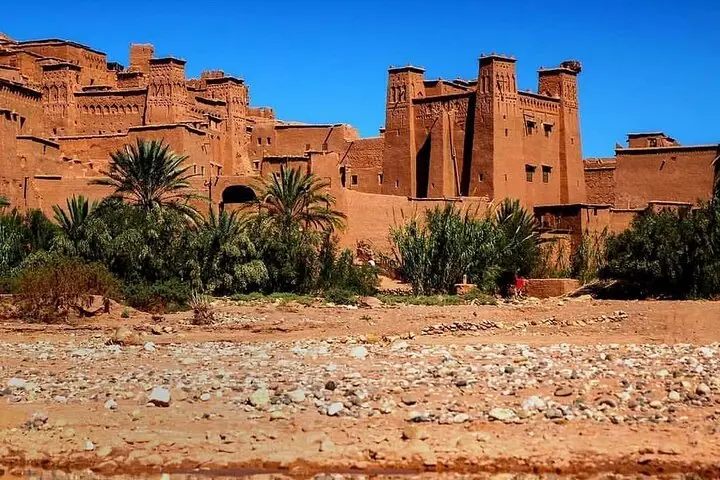
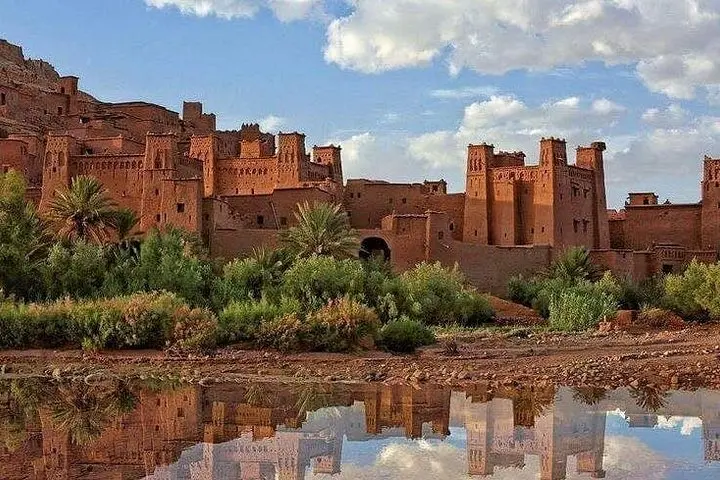
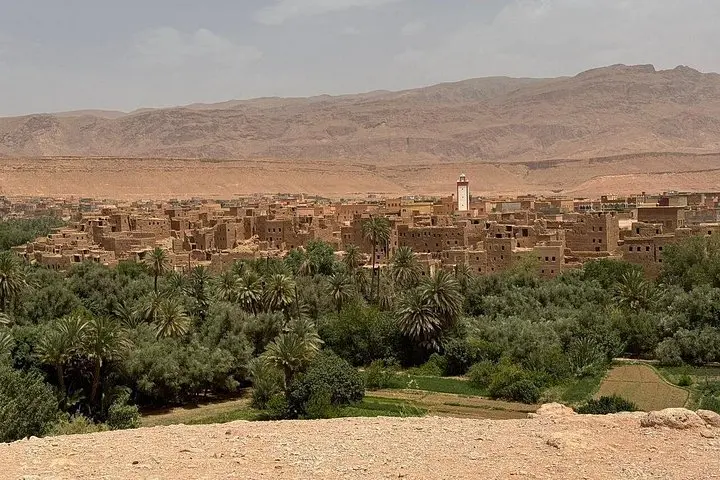
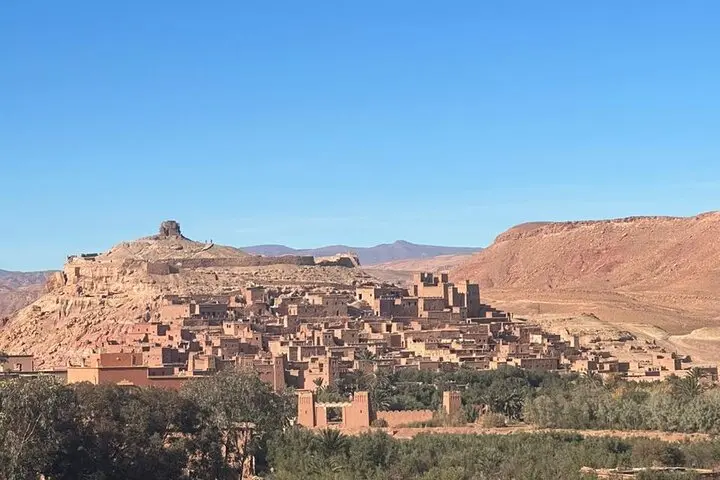
History is visible in mud-brick kasbahs such as Ait Ben Haddou, an ancient caravan crossroads carved into the mountain road, and in the fortified granaries that protected Berber communities. Geologically the route follows tectonic changes between the High and Anti-Atlas—river-cut gorges like Todgha reveal layered limestone canyons that contrast with the quartz sand of the Sahara.
Culturally, the trip threads local markets, kasbah hospitality, and nomadic traditions; a short stop in Ouarzazate hints at Morocco’s film-industry foothold. Expect hands-on moments: short gorge walks, a camel ride at dusk, and an Erg Chebbi sunrise watched from a dune ridge.
Practical guidance: travel light for the camel ride (daypack only), bring layers for cold desert nights, and allow long drive windows—many stops are photo-op driven. Hydrate on long stretches between towns; local guides manage logistics and most meals. The tour moves at a steady pace, balancing scenic stops with comfortable camp or riad options, making it a manageable introduction to Morocco’s desert heart for travelers prepared for long driving days and short, vivid excursions on foot and camel.
Typical camel segments last 30–60 minutes for sunset and sunrise transfers to camp; most time is spent on foot or at stops during the day.
Options range from simple Berber-style camps to improved bivouacs; standards are rustic but comfortable, with blankets and basic facilities.
The tour notes wheelchair accessibility for some transport, but camel rides and dune walking require basic mobility—notify the operator of special needs before booking.
Breakfast and several meals are included; local riads and camps serve Moroccan-style dishes with vegetarian options usually available if requested.
Desert Smile Tours operates guided outdoor trips and adventures with an emphasis on safety, stewardship, and memorable experiences.
The first light hits the sand as the convoy drops down from the High Atlas—dust and stone giving way to rolling, wind-sculpted dunes that seem to push travelers forward. On this two-day crossing from Marrakech to Fez, the landscape shifts dramatically: alpine passes and ochre kasbahs give way to riverine palm groves and finally to the deep orange ridges of Erg Chebbi, where camels step like patient boats across an endless sea.
The first light hits the sand as the convoy drops down from the High Atlas—dust and stone giving way to rolling, wind-sculpted dunes that seem to push travelers forward. On this two-day crossing from Marrakech to Fez, the landscape shifts dramatically: alpine passes and ochre kasbahs give way to riverine palm groves and finally to the deep orange ridges of Erg Chebbi, where camels step like patient boats across an endless sea.
History is visible in mud-brick kasbahs such as Ait Ben Haddou, an ancient caravan crossroads carved into the mountain road, and in the fortified granaries that protected Berber communities. Geologically the route follows tectonic changes between the High and Anti-Atlas—river-cut gorges like Todgha reveal layered limestone canyons that contrast with the quartz sand of the Sahara.
Culturally, the trip threads local markets, kasbah hospitality, and nomadic traditions; a short stop in Ouarzazate hints at Morocco’s film-industry foothold. Expect hands-on moments: short gorge walks, a camel ride at dusk, and an Erg Chebbi sunrise watched from a dune ridge.
Practical guidance: travel light for the camel ride (daypack only), bring layers for cold desert nights, and allow long drive windows—many stops are photo-op driven. Hydrate on long stretches between towns; local guides manage logistics and most meals. The tour moves at a steady pace, balancing scenic stops with comfortable camp or riad options, making it a manageable introduction to Morocco’s desert heart for travelers prepared for long driving days and short, vivid excursions on foot and camel.