THE ADVENTURE COLLECTIVE® · Independent discovery and booking for outdoor travel

A fast-moving two-day journey from Marrakech to the Zagora desert that combines High Atlas passes, the UNESCO ksar of Ait Ben Haddou, Ouarzazate’s film sets and a night in a desert camp. Expect long drives, dramatic light for photography and authentic Berber hospitality.
A fast-moving two-day journey from Marrakech to the Zagora desert that combines High Atlas passes, the UNESCO ksar of Ait Ben Haddou, Ouarzazate’s film sets and a night in a desert camp. Expect long drives, dramatic light for photography and authentic Berber hospitality.
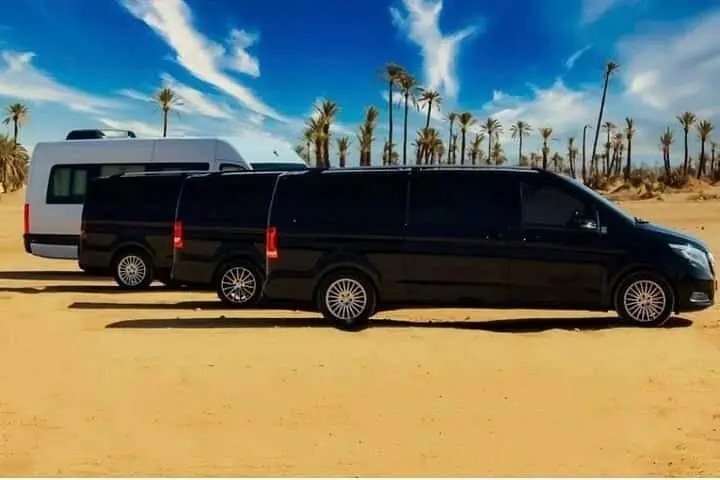
You leave Marrakech before dawn, the city slipping behind a corridor of palms as the High Atlas mountains press inward. Road dust lifts in the wake of the air-conditioned vehicle while the range loosens the morning light into bands of ochre and stone. By midafternoon the earthen walls of Ait Ben Haddou appear—warrior-brown and sun-hardened—framed by a sky that seems to push the horizon wider.
Verified experiences and guided adventures in the surrounding area.
Operated by Sahara Splendor Travels · Zagora, Drâa-Tafilalet
You leave Marrakech before dawn, the city slipping behind a corridor of palms as the High Atlas mountains press inward. Road dust lifts in the wake of the air-conditioned vehicle while the range loosens the morning light into bands of ochre and stone. By midafternoon the earthen walls of Ait Ben Haddou appear—warrior-brown and sun-hardened—framed by a sky that seems to push the horizon wider.
This route threads centuries of trade and film history. Ait Ben Haddou is a fortified ksar once key to trans-Saharan caravans and now a UNESCO site; Ouarzazate earned its “Gateway to the Sahara” name from film studios that turned local kasbahs into global backdrops. Geologically, the landscape shifts from folded metamorphic peaks to alluvial plains and finally to wind-sculpted dunes and palm-lined oases fed by ancient underground aquifers.
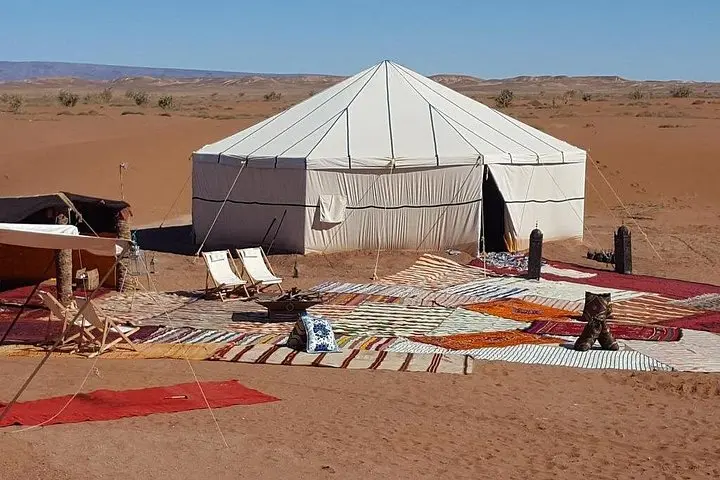
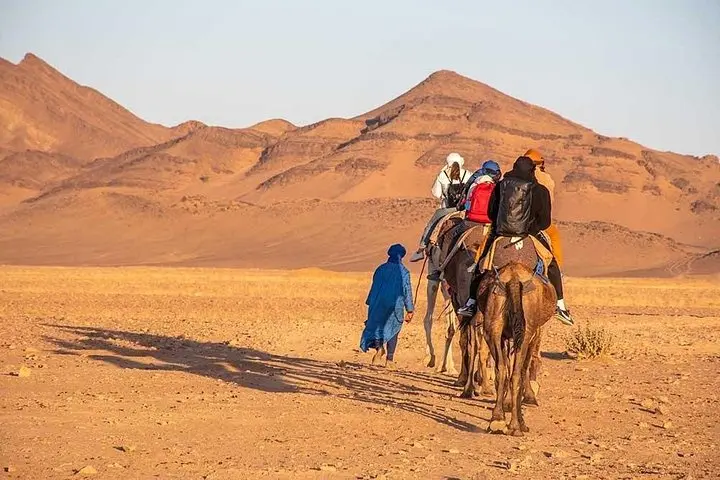
Culture here is tactile: Berber hospitality, shared bread, and drums around a fire. On the first evening you’ll ride a camel at sunset, then sleep under canvas—options range from standard to luxury camps—while the desert cools and the stars take on character.
Practicalities: total trip time is two days door-to-door with long driving segments (expect several hours of highway and mountain driving each day). Bring layered clothing for hot days and cool nights, a sun hat, plenty of water, and sturdy walking shoes for kasbah alleys. Schedule your photography for golden hour at Ait Ben Haddou and the Zagora dunes; follow local guidance in camps and respect fragile palm groves by sticking to paths and minimizing water use.
Expect multiple driving segments: day one can total 7–9 hours including stops (High Atlas, Ait Ben Haddou, Ouarzazate, Agdez to Zagora); day two typically 4–6 hours with valley visits en route back to Marrakech.
Options include standard and luxury desert camps; both usually provide mattresses, meals, and shared ablutions—confirm specific amenities when booking.
Yes—short camel rides, typically 30–60 minutes at sunset, are included; guides will help first-timers mount and dismount safely.
The tour notes it’s suitable for all physical levels; however, camel riding and uneven kasbah steps may be challenging for some—ask about private vehicle access to limit walking.
Sahara Splendor Travels operates guided outdoor trips and adventures with an emphasis on safety, stewardship, and memorable experiences.
You leave Marrakech before dawn, the city slipping behind a corridor of palms as the High Atlas mountains press inward. Road dust lifts in the wake of the air-conditioned vehicle while the range loosens the morning light into bands of ochre and stone. By midafternoon the earthen walls of Ait Ben Haddou appear—warrior-brown and sun-hardened—framed by a sky that seems to push the horizon wider.
You leave Marrakech before dawn, the city slipping behind a corridor of palms as the High Atlas mountains press inward. Road dust lifts in the wake of the air-conditioned vehicle while the range loosens the morning light into bands of ochre and stone. By midafternoon the earthen walls of Ait Ben Haddou appear—warrior-brown and sun-hardened—framed by a sky that seems to push the horizon wider.
This route threads centuries of trade and film history. Ait Ben Haddou is a fortified ksar once key to trans-Saharan caravans and now a UNESCO site; Ouarzazate earned its “Gateway to the Sahara” name from film studios that turned local kasbahs into global backdrops. Geologically, the landscape shifts from folded metamorphic peaks to alluvial plains and finally to wind-sculpted dunes and palm-lined oases fed by ancient underground aquifers.
Culture here is tactile: Berber hospitality, shared bread, and drums around a fire. On the first evening you’ll ride a camel at sunset, then sleep under canvas—options range from standard to luxury camps—while the desert cools and the stars take on character.
Practicalities: total trip time is two days door-to-door with long driving segments (expect several hours of highway and mountain driving each day). Bring layered clothing for hot days and cool nights, a sun hat, plenty of water, and sturdy walking shoes for kasbah alleys. Schedule your photography for golden hour at Ait Ben Haddou and the Zagora dunes; follow local guidance in camps and respect fragile palm groves by sticking to paths and minimizing water use.