THE ADVENTURE COLLECTIVE® · Independent discovery and booking for outdoor travel

Cross the High Atlas and follow the Draa Valley to Zagora on this compact two-day Morocco tour. Visit the UNESCO ksar at Ait Benhaddou, pass Ouarzazate’s film sets, ride a camel into a Berber desert camp and sleep beneath a wide Saharan sky.
Cross the High Atlas and follow the Draa Valley to Zagora on this compact two-day Morocco tour. Visit the UNESCO ksar at Ait Benhaddou, pass Ouarzazate’s film sets, ride a camel into a Berber desert camp and sleep beneath a wide Saharan sky.
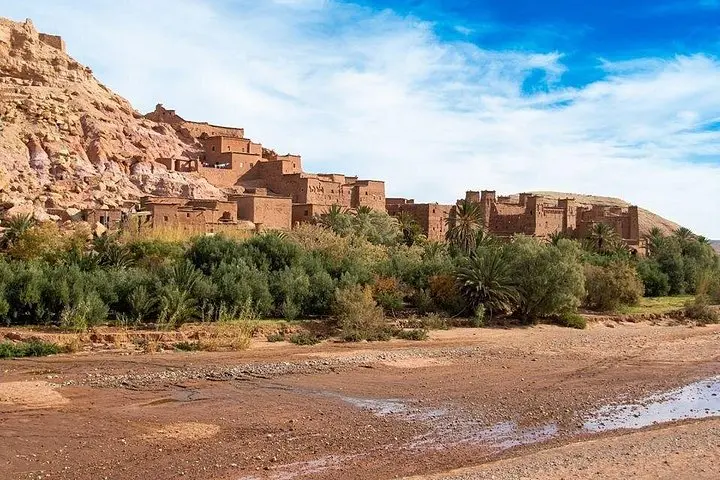
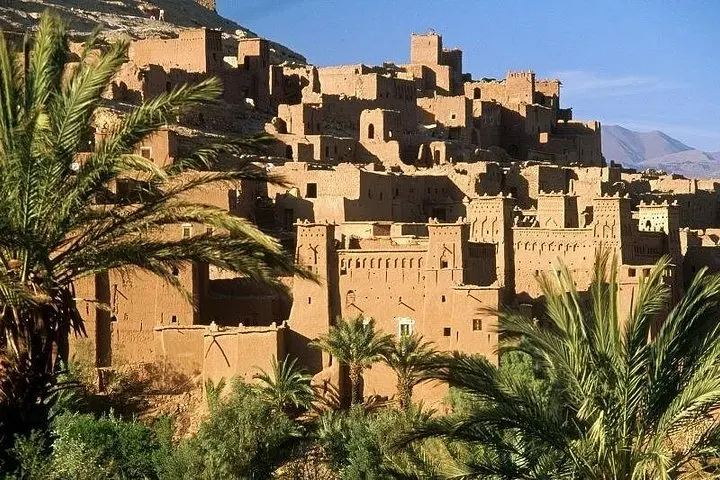
The sun slides off the red walls of Ait Benhaddou as your minivan threads higher onto the Tizi n’Tichka pass, and the Atlas Mountains push the sky back into sharp blue. By late afternoon the road eases into the Draa Valley, where palm-lined riverbeds run like dark stitches through ochre earth, and the air tastes of dust and distant wood smoke.
Verified experiences and guided adventures in the surrounding area.
Operated by Dades Adventure Tours · Zagora, Drâa-Tafilalet
The sun slides off the red walls of Ait Benhaddou as your minivan threads higher onto the Tizi n’Tichka pass, and the Atlas Mountains push the sky back into sharp blue. By late afternoon the road eases into the Draa Valley, where palm-lined riverbeds run like dark stitches through ochre earth, and the air tastes of dust and distant wood smoke.
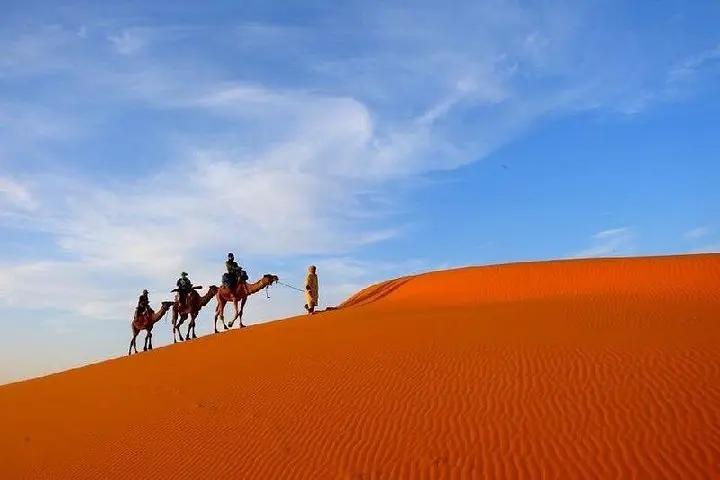
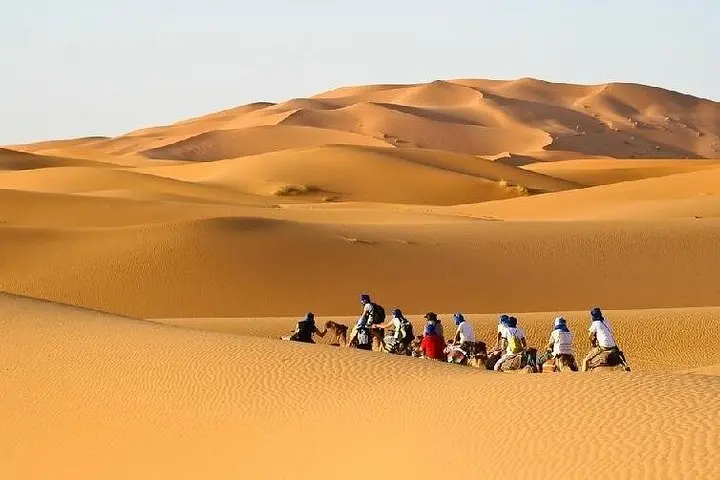
This two-day circuit from Marrakech covers classic southern Morocco: a guided visit to the UNESCO ksar at Ait Benhaddou, a brief stop at Ouarzazate’s film studios, a long drive through the High Atlas (pass elevation ~2,260 m), and an overnight in a traditional Berber camp near Zagora reached by camel trek. Geologically the route moves from Precambrian and Mesozoic rocks in the Atlas to alluvial plains and aeolian sands of the Draa basin; culturally it's the corridor of old caravan routes linking sub-Saharan trade to Moroccan cities.
Expect paved stretches, winding mountain passes, then desert tracks and sandy approaches to the camp. The camel ride is a short trek suited to most travelers; camp nights include tagine dinner and local music.
Practical guidance: travel light for the camel leg, bring layers for cool desert nights, carry at least 2–3 liters of water per person, and allow 6–8 hours of driving each way with stops. Early starts beat heat and traffic; if you’re photographing Ait Benhaddou, aim for golden hour. Respect local customs in villages and conserve water—this landscape is fragile and depends on scarce supplies.
The camel trek from Zagora to the nearby camp is typically around 45–90 minutes each way, designed for accessibility rather than long-distance travel.
Yes; the tour includes one night in a Berber camp with dinner and breakfast as stated in the itinerary.
Most operators can accommodate common dietary requests and children; you’ll be asked to note special requirements at booking.
Autumn and spring offer the most comfortable temperatures; winter is cool (good for daytime exploring) and summer can be very hot during the day.
Dades Adventure Tours operates guided outdoor trips and adventures with an emphasis on safety, stewardship, and memorable experiences.
The sun slides off the red walls of Ait Benhaddou as your minivan threads higher onto the Tizi n’Tichka pass, and the Atlas Mountains push the sky back into sharp blue. By late afternoon the road eases into the Draa Valley, where palm-lined riverbeds run like dark stitches through ochre earth, and the air tastes of dust and distant wood smoke.
The sun slides off the red walls of Ait Benhaddou as your minivan threads higher onto the Tizi n’Tichka pass, and the Atlas Mountains push the sky back into sharp blue. By late afternoon the road eases into the Draa Valley, where palm-lined riverbeds run like dark stitches through ochre earth, and the air tastes of dust and distant wood smoke.
This two-day circuit from Marrakech covers classic southern Morocco: a guided visit to the UNESCO ksar at Ait Benhaddou, a brief stop at Ouarzazate’s film studios, a long drive through the High Atlas (pass elevation ~2,260 m), and an overnight in a traditional Berber camp near Zagora reached by camel trek. Geologically the route moves from Precambrian and Mesozoic rocks in the Atlas to alluvial plains and aeolian sands of the Draa basin; culturally it's the corridor of old caravan routes linking sub-Saharan trade to Moroccan cities.
Expect paved stretches, winding mountain passes, then desert tracks and sandy approaches to the camp. The camel ride is a short trek suited to most travelers; camp nights include tagine dinner and local music.
Practical guidance: travel light for the camel leg, bring layers for cool desert nights, carry at least 2–3 liters of water per person, and allow 6–8 hours of driving each way with stops. Early starts beat heat and traffic; if you’re photographing Ait Benhaddou, aim for golden hour. Respect local customs in villages and conserve water—this landscape is fragile and depends on scarce supplies.