THE ADVENTURE COLLECTIVE® · Independent discovery and booking for outdoor travel

Float down narrow canals and cycle past coconut groves on a 2-day Mekong Delta route from Bến Tre to Trà Vinh. Expect boat rides, family-run coconut workshops, Khmer pagodas and wildlife-rich islets.
Float down narrow canals and cycle past coconut groves on a 2-day Mekong Delta route from Bến Tre to Trà Vinh. Expect boat rides, family-run coconut workshops, Khmer pagodas and wildlife-rich islets.
Dawn breaks over the Mekong like slow gold, and the river pulls you awake. On day one a narrow motorized sampan slices through braided canals fringed with coconut palms; water laps against wooden houses and the current seems to nudge you forward. Small craft, clanging paddles and the chatter of market vendors become the day's tempo.
Verified experiences and guided adventures in the surrounding area.
Dawn breaks over the Mekong like slow gold, and the river pulls you awake. On day one a narrow motorized sampan slices through braided canals fringed with coconut palms; water laps against wooden houses and the current seems to nudge you forward. Small craft, clanging paddles and the chatter of market vendors become the day's tempo.
This low-lying delta is young geology — centuries of silt from the Mekong building shoals and islands that farmers and fishers have shaped into productive land. Cultural layers are equally visible: Vietnamese riverine life mixes with Khmer temples and family-run workshops that still press coconut nectar and craft carved wood. Con Chim island and its mangrove fringes shelter local birds and offer a quieter counterpoint to bustling riverside markets.
Expect gentle, sensory travel: boat rides interrupted by cycling on shaded village lanes, visits to coconut workshops, simple homestays, and visits to small Khmer pagodas where footwear and modest dress are required. The route favors low elevation and easy walking, but heat, humidity and mosquitoes are constant players — the river will coax you onward but it also demands respectful preparation.
Practical advice: travel light, bring quick-dry layers, water and reliable insect repellent, and carry small denominations of cash for market purchases. Morning departures avoid peak heat, and flexible timing makes space for spontaneous encounters with local families. This two-day journey is part cultural immersion, part slow navigation of a shifting landscape — a clear-window look at how people, river and soil keep each other alive.
Visa requirements depend on your nationality; arrange any Vietnam visa or e-visa prior to arrival and confirm with your tour operator.
Expect simple, local-style homestays or modest guesthouses—clean and authentic but not luxury-level; check the operator’s listing for specifics.
Most tours include some meals—typically river specialties and homestay dinners; confirm which meals are covered when booking.
The trip suits families and active seniors who can handle short boat transfers and light walking; notify the operator of mobility concerns ahead of time.
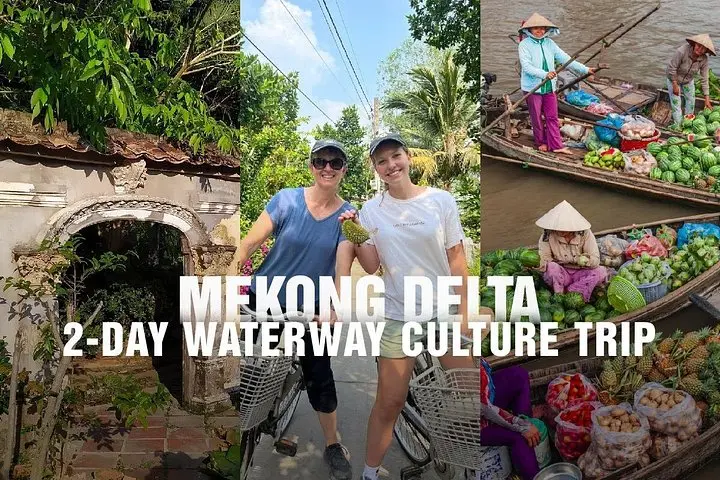
Dawn breaks over the Mekong like slow gold, and the river pulls you awake. On day one a narrow motorized sampan slices through braided canals fringed with coconut palms; water laps against wooden houses and the current seems to nudge you forward. Small craft, clanging paddles and the chatter of market vendors become the day's tempo.
Dawn breaks over the Mekong like slow gold, and the river pulls you awake. On day one a narrow motorized sampan slices through braided canals fringed with coconut palms; water laps against wooden houses and the current seems to nudge you forward. Small craft, clanging paddles and the chatter of market vendors become the day's tempo.
This low-lying delta is young geology — centuries of silt from the Mekong building shoals and islands that farmers and fishers have shaped into productive land. Cultural layers are equally visible: Vietnamese riverine life mixes with Khmer temples and family-run workshops that still press coconut nectar and craft carved wood. Con Chim island and its mangrove fringes shelter local birds and offer a quieter counterpoint to bustling riverside markets.
Expect gentle, sensory travel: boat rides interrupted by cycling on shaded village lanes, visits to coconut workshops, simple homestays, and visits to small Khmer pagodas where footwear and modest dress are required. The route favors low elevation and easy walking, but heat, humidity and mosquitoes are constant players — the river will coax you onward but it also demands respectful preparation.
Practical advice: travel light, bring quick-dry layers, water and reliable insect repellent, and carry small denominations of cash for market purchases. Morning departures avoid peak heat, and flexible timing makes space for spontaneous encounters with local families. This two-day journey is part cultural immersion, part slow navigation of a shifting landscape — a clear-window look at how people, river and soil keep each other alive.