THE ADVENTURE COLLECTIVE® · Independent discovery and booking for outdoor travel

Stand beneath towering sandstone pillars and follow stairways once climbed by monks in nets. This two-day road trip from Kalambaka mixes UNESCO monasteries with lakeside views and battlefield stops for a compact, scenic taste of central Greece.
Stand beneath towering sandstone pillars and follow stairways once climbed by monks in nets. This two-day road trip from Kalambaka mixes UNESCO monasteries with lakeside views and battlefield stops for a compact, scenic taste of central Greece.
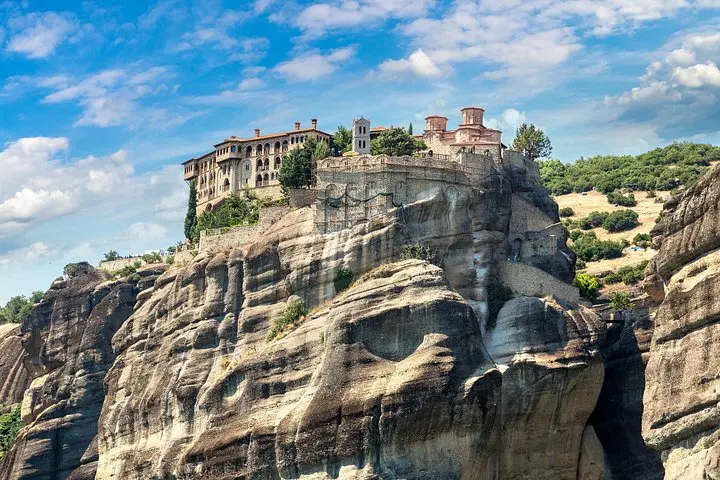
You arrive on a narrow road beneath sheer sandstone towers that rise from the Thessalian plain like weathered pillars—each a vertical stage for history and wind. The air smells of pine and stone; vultures wheel and the rocks seem to hold time like a sleeping animal that shifts only at sunrise.
Verified experiences and guided adventures in the surrounding area.
Operated by allways greece · Kalambaka, Thessaly
You arrive on a narrow road beneath sheer sandstone towers that rise from the Thessalian plain like weathered pillars—each a vertical stage for history and wind. The air smells of pine and stone; vultures wheel and the rocks seem to hold time like a sleeping animal that shifts only at sunrise.
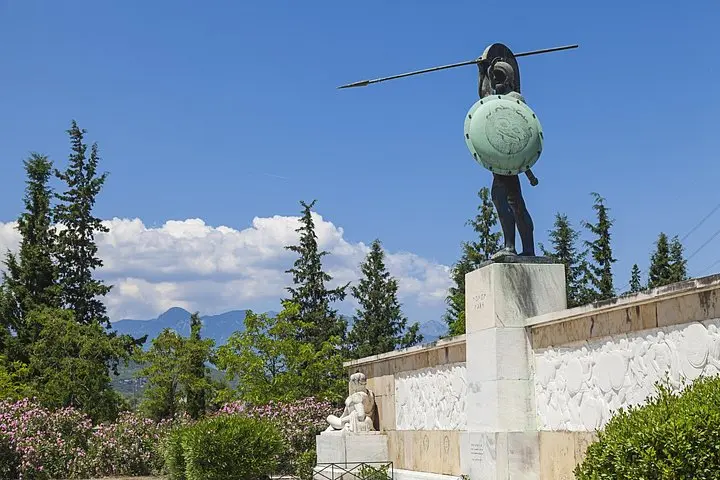
Meteora’s pillars were sculpted roughly 60 million years ago in the Paleogene, then polished by rain, ice and seismic lift. Orthodox monks moved in from the 11th century onward, carving stairways and building monasteries atop near-inaccessible summits; six remain active and UNESCO-listed for their cultural value. Day two of the loop takes you beyond the cliffs to an artificial lake built mid-20th century and a field tied to the legend of Sparta’s stand—reminders that the area mixes deep geology with modern engineering and layered national memory.
Expect hundreds of steps, short rock-hugging trails and paved viewpoints—some staircases are steep, others worn smooth by centuries of foot traffic. Monasteries have modest dress codes and modest admission fees; peak light for photographs is early morning or late afternoon when the stone glows and shadows sharpen. Hydrate often: the climb up feels easier than the descent.
Practicalities: this private two-day road trip includes air-conditioned transport and bottled water, but footwear, layered clothing and a small daypack are your responsibility. Plan for variable weather, carry cash for monastery entry and local cafés, and leave drones at home near the monasteries. Move respectfully; these are living religious sites as well as dramatic cliffs.
Most monastery entrance fees are not included in general tours—expect small cash fees at each active monastery you visit.
The vehicle route is stroller-accessible, but monastery approaches involve stairs so young children and strollers won’t access the chapels without carriers.
Access varies by day and season; some monasteries close for religious holidays or restoration—check local schedules and dress modestly.
Expect short but steep walks to viewpoints and monastery entrances; the tour is not a long hike but requires climbing dozens to hundreds of steps.
allways greece operates guided outdoor trips and adventures with an emphasis on safety, stewardship, and memorable experiences.
You arrive on a narrow road beneath sheer sandstone towers that rise from the Thessalian plain like weathered pillars—each a vertical stage for history and wind. The air smells of pine and stone; vultures wheel and the rocks seem to hold time like a sleeping animal that shifts only at sunrise.
You arrive on a narrow road beneath sheer sandstone towers that rise from the Thessalian plain like weathered pillars—each a vertical stage for history and wind. The air smells of pine and stone; vultures wheel and the rocks seem to hold time like a sleeping animal that shifts only at sunrise.
Meteora’s pillars were sculpted roughly 60 million years ago in the Paleogene, then polished by rain, ice and seismic lift. Orthodox monks moved in from the 11th century onward, carving stairways and building monasteries atop near-inaccessible summits; six remain active and UNESCO-listed for their cultural value. Day two of the loop takes you beyond the cliffs to an artificial lake built mid-20th century and a field tied to the legend of Sparta’s stand—reminders that the area mixes deep geology with modern engineering and layered national memory.
Expect hundreds of steps, short rock-hugging trails and paved viewpoints—some staircases are steep, others worn smooth by centuries of foot traffic. Monasteries have modest dress codes and modest admission fees; peak light for photographs is early morning or late afternoon when the stone glows and shadows sharpen. Hydrate often: the climb up feels easier than the descent.
Practicalities: this private two-day road trip includes air-conditioned transport and bottled water, but footwear, layered clothing and a small daypack are your responsibility. Plan for variable weather, carry cash for monastery entry and local cafés, and leave drones at home near the monasteries. Move respectfully; these are living religious sites as well as dramatic cliffs.