THE ADVENTURE COLLECTIVE® · Independent discovery and booking for outdoor travel

Two days of concentrated East African safari: Tarangire’s baobab plains and Ngorongoro’s crater floor deliver dense wildlife viewing, morning game drives, and an overnight at a farm-style lodge or campsite. Ideal for travelers wanting a compact Big Five experience without long transfers.
Two days of concentrated East African safari: Tarangire’s baobab plains and Ngorongoro’s crater floor deliver dense wildlife viewing, morning game drives, and an overnight at a farm-style lodge or campsite. Ideal for travelers wanting a compact Big Five experience without long transfers.
Dawn breaks over the red earth as your 4x4 slides away from Arusha, headlights cutting through a curtain of acacia and dust. In the hour between night and sun the bush is active—elephants tracing slow arcs toward water, birds testing the new light—and the vehicle becomes a quiet theater for wildlife.
Verified experiences and guided adventures in the surrounding area.
Operated by Moorland Safari and Trekking · Arusha, Arusha Region
Dawn breaks over the red earth as your 4x4 slides away from Arusha, headlights cutting through a curtain of acacia and dust. In the hour between night and sun the bush is active—elephants tracing slow arcs toward water, birds testing the new light—and the vehicle becomes a quiet theater for wildlife.
The route runs southeast into Tarangire National Park (roughly 140 km, ~3 hours from Arusha), a landscape defined by baobabs and the Tarangire River that draws herds during the dry season. Day two climbs to the rim of Ngorongoro Crater (about 173 km, ~3h20), the world’s largest intact volcanic caldera—some 20 km across and nearly 600 m deep—where an extraordinary density of game concentrates on the crater floor.
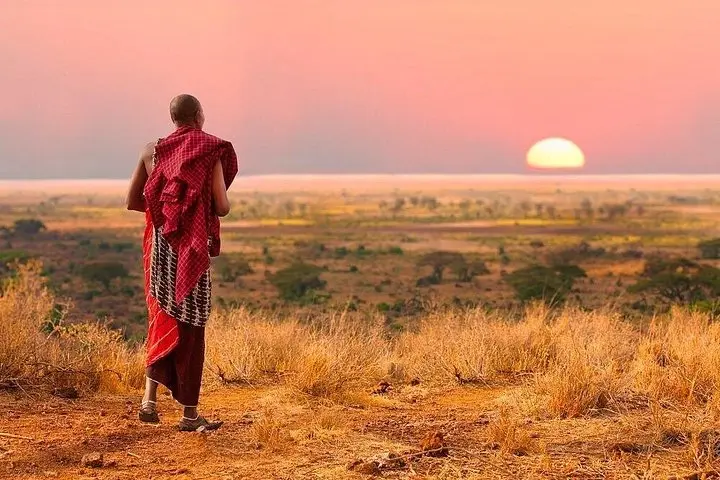
This safari threads natural history with human history: Masai pastoralists graze near the crater and the Ngorongoro Conservation Area, designated a UNESCO World Heritage site, balances traditional livelihoods with wildlife protection. Geology here reads like a timeline—collapse, rain, and erosion shaping bowl-like calderas and river-carved plains.
Practically, expect early starts, full-day drives, and game drives from open-roof or pop-top 4x4s. Guides translate spoor into stories and position the vehicle for light and safety. Nights are at a farm-style lodge or campsite with basic comforts. Bring binoculars, layered clothing for cool mornings and hot afternoons, sun protection, and a refillable water bottle. Hydrate before drives, keep camera batteries warm, and respect local customs when meeting Masai communities. On a tight two-day window you’ll trade slow exploration for concentrated sightings: elephants in Tarangire, and the crater’s dense assemblage—lions, buffalo, wildebeest, and rare black rhino—waiting below the rim.
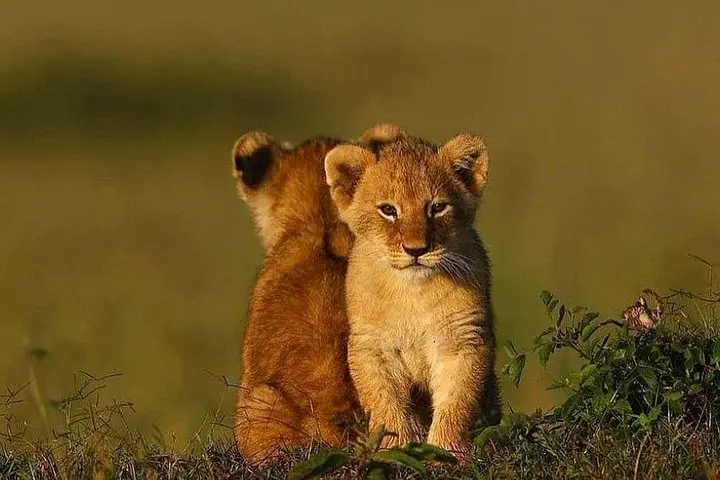
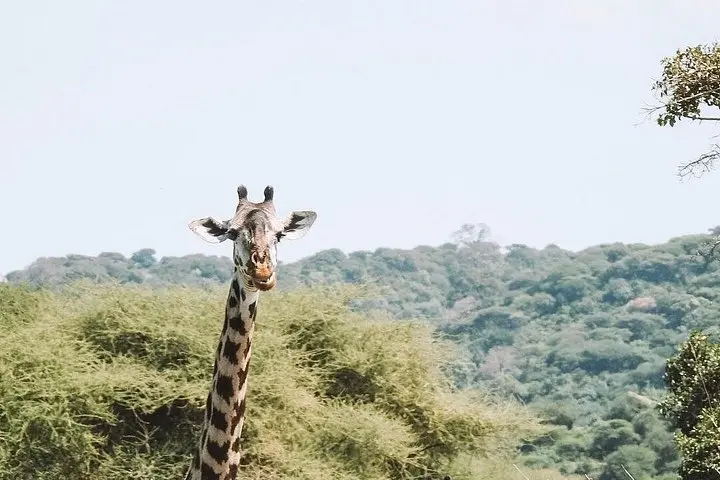
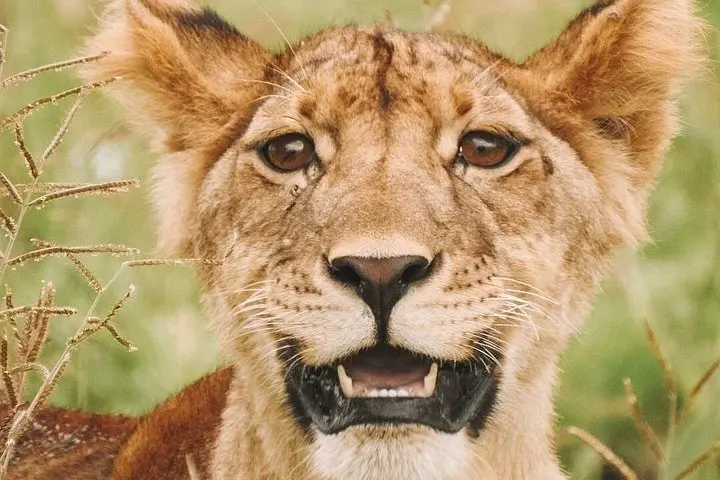
Expect concentrated sightings: Tarangire offers large elephant herds and prolific birdlife, while Ngorongoro’s crater supports dense populations of lions, buffalo, wildebeest, zebras and—with luck—black rhino.
Yes—this tour includes all national park fees and camping/park charges as listed in the itinerary inclusions.
This is a mid-range safari with an overnight at an African-style farm lodge or campsite (tent and mattress provided); check the operator for specific lodge names and amenities.
The operator notes accessibility options and suitability for most fitness levels, but it’s not recommended for travelers with spinal injuries; confirm pickup logistics and mobility needs when booking.
Moorland Safari and Trekking operates guided outdoor trips and adventures with an emphasis on safety, stewardship, and memorable experiences.
Dawn breaks over the red earth as your 4x4 slides away from Arusha, headlights cutting through a curtain of acacia and dust. In the hour between night and sun the bush is active—elephants tracing slow arcs toward water, birds testing the new light—and the vehicle becomes a quiet theater for wildlife.
Dawn breaks over the red earth as your 4x4 slides away from Arusha, headlights cutting through a curtain of acacia and dust. In the hour between night and sun the bush is active—elephants tracing slow arcs toward water, birds testing the new light—and the vehicle becomes a quiet theater for wildlife.
The route runs southeast into Tarangire National Park (roughly 140 km, ~3 hours from Arusha), a landscape defined by baobabs and the Tarangire River that draws herds during the dry season. Day two climbs to the rim of Ngorongoro Crater (about 173 km, ~3h20), the world’s largest intact volcanic caldera—some 20 km across and nearly 600 m deep—where an extraordinary density of game concentrates on the crater floor.
This safari threads natural history with human history: Masai pastoralists graze near the crater and the Ngorongoro Conservation Area, designated a UNESCO World Heritage site, balances traditional livelihoods with wildlife protection. Geology here reads like a timeline—collapse, rain, and erosion shaping bowl-like calderas and river-carved plains.
Practically, expect early starts, full-day drives, and game drives from open-roof or pop-top 4x4s. Guides translate spoor into stories and position the vehicle for light and safety. Nights are at a farm-style lodge or campsite with basic comforts. Bring binoculars, layered clothing for cool mornings and hot afternoons, sun protection, and a refillable water bottle. Hydrate before drives, keep camera batteries warm, and respect local customs when meeting Masai communities. On a tight two-day window you’ll trade slow exploration for concentrated sightings: elephants in Tarangire, and the crater’s dense assemblage—lions, buffalo, wildebeest, and rare black rhino—waiting below the rim.