THE ADVENTURE COLLECTIVE® · Independent discovery and booking for outdoor travel

Cross the Strait and spend two compact days exploring Tangier’s cosmopolitan streets, Chefchaouen’s iconic blue alleys and Tetouan’s UNESCO medina. Expect scenic drives into the Rif, guided medina walks, and time for local food and shopping.
Cross the Strait and spend two compact days exploring Tangier’s cosmopolitan streets, Chefchaouen’s iconic blue alleys and Tetouan’s UNESCO medina. Expect scenic drives into the Rif, guided medina walks, and time for local food and shopping.
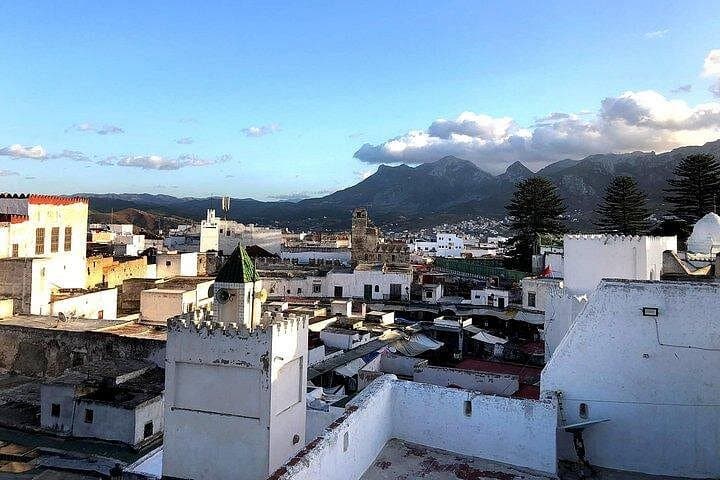
You step off the ferry into a different light—salt air sharp, the Rif Mountains rising like a wall, and Tangier’s patchwork of white and ochre buildings slipping by as the van pulls away toward the blue alleys of Chefchaouen.
Verified experiences and guided adventures in the surrounding area.
Operated by Sevilla Moving · Tangier, Tanger-Tetouan-Al Hoceima
You step off the ferry into a different light—salt air sharp, the Rif Mountains rising like a wall, and Tangier’s patchwork of white and ochre buildings slipping by as the van pulls away toward the blue alleys of Chefchaouen.
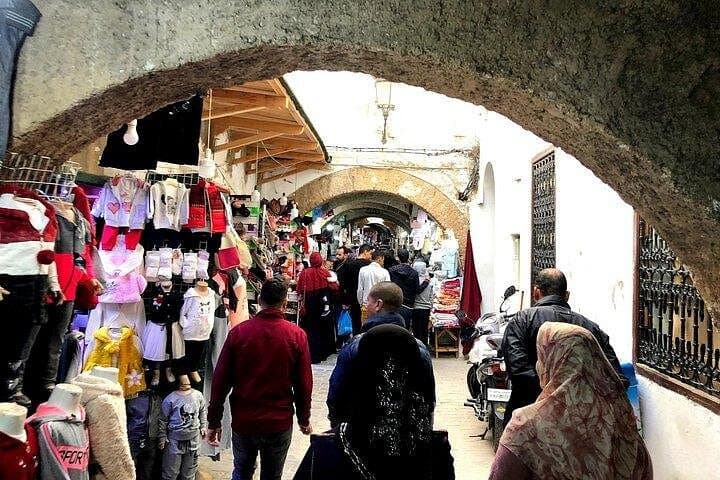
This two-day loop threads coastal Tangier with the Rif’s folded limestone ridges and the compact medinas of Tetouan and Chefchaouen. Chefchaouen perches at roughly 560 m, its narrow streets climbed by steep flights of stone where blue-washed walls cool the glare. Tetouan’s medina, a UNESCO World Heritage site, carries Andalusian echoes from centuries of migration and craft traditions; you’ll notice Moorish tile patterns, carved cedar doors and cooperative artisan shops. Tangier, where Europe and Africa meet, has a strategic history as a gateway city facing the Strait of Gibraltar.
Geology here is tactile—the Rif’s karst crests shed water into seasonal streams while the Strait’s tidal currents shape coastal sandbars. Culturally expect a mix of Arabic, Berber and Spanish influences in language, cuisine and architecture; local markets trade olives, preserved lemons, leather and woven blankets.
Practical guide: plan long travel legs—Seville to Tarifa is roughly 200 km (2.5–3 hrs), ferry to Tangier ~1 hr, and drives within Morocco often 1–2.5 hrs between stops. Carry your passport and copy, small bills (dirhams) for markets, and comfortable walking shoes for uneven cobbles and short climbs. Expect active, but easy-paced days with walking tours, time for shopping and brief hotel rests between excursions.
Visa requirements depend on your nationality; many nationalities travel visa-free for short stays but check Morocco’s consulate website before booking.
Fast ferries typically take about 1–1.5 hours; schedules vary by season and operator, so allow buffer time for crossings.
Yes — the itinerary is described as physically easy with guided stops and hotel rest, but expect long vehicle transfers and some walking on uneven surfaces.
Bring some euros for the ferry and small Moroccan dirhams for local markets; ATMs are available in Tangier and Tetouan but have limits.
Sevilla Moving operates guided outdoor trips and adventures with an emphasis on safety, stewardship, and memorable experiences.


You step off the ferry into a different light—salt air sharp, the Rif Mountains rising like a wall, and Tangier’s patchwork of white and ochre buildings slipping by as the van pulls away toward the blue alleys of Chefchaouen.
You step off the ferry into a different light—salt air sharp, the Rif Mountains rising like a wall, and Tangier’s patchwork of white and ochre buildings slipping by as the van pulls away toward the blue alleys of Chefchaouen.
This two-day loop threads coastal Tangier with the Rif’s folded limestone ridges and the compact medinas of Tetouan and Chefchaouen. Chefchaouen perches at roughly 560 m, its narrow streets climbed by steep flights of stone where blue-washed walls cool the glare. Tetouan’s medina, a UNESCO World Heritage site, carries Andalusian echoes from centuries of migration and craft traditions; you’ll notice Moorish tile patterns, carved cedar doors and cooperative artisan shops. Tangier, where Europe and Africa meet, has a strategic history as a gateway city facing the Strait of Gibraltar.
Geology here is tactile—the Rif’s karst crests shed water into seasonal streams while the Strait’s tidal currents shape coastal sandbars. Culturally expect a mix of Arabic, Berber and Spanish influences in language, cuisine and architecture; local markets trade olives, preserved lemons, leather and woven blankets.
Practical guide: plan long travel legs—Seville to Tarifa is roughly 200 km (2.5–3 hrs), ferry to Tangier ~1 hr, and drives within Morocco often 1–2.5 hrs between stops. Carry your passport and copy, small bills (dirhams) for markets, and comfortable walking shoes for uneven cobbles and short climbs. Expect active, but easy-paced days with walking tours, time for shopping and brief hotel rests between excursions.