THE ADVENTURE COLLECTIVE® · Independent discovery and booking for outdoor travel

A tight, two-day ascent to Mount Toubkal that pairs private transfers from Casablanca with local guides and mule support. Expect long days, rocky trails and panoramic summit views of the High Atlas.
A tight, two-day ascent to Mount Toubkal that pairs private transfers from Casablanca with local guides and mule support. Expect long days, rocky trails and panoramic summit views of the High Atlas.
Morning light slices the Atlas ridgeline as your private driver threads the highway from Casablanca toward the red city of Marrakech, and then up into the serrated range where Toubkal rises above the clouds. By mid-afternoon you step into Imlil, a stone-and-tile Berber village where mule bells keep time and the air begins to thin. The trail climbs through terraced fields, walnut groves and loose scree to a base refuge at roughly 3,200 m, the camp that frames a dark, rocky skyline.
Verified experiences and guided adventures in the surrounding area.
Operated by Smart Morocco Tours Excursions · Imlil, Marrakech-Safi
Morning light slices the Atlas ridgeline as your private driver threads the highway from Casablanca toward the red city of Marrakech, and then up into the serrated range where Toubkal rises above the clouds. By mid-afternoon you step into Imlil, a stone-and-tile Berber village where mule bells keep time and the air begins to thin. The trail climbs through terraced fields, walnut groves and loose scree to a base refuge at roughly 3,200 m, the camp that frames a dark, rocky skyline.
Geology here is stark: volcanic and metamorphic rocks sculpted into sharp cols and broad bowls. The mountain has been central to local Amazigh (Berber) life for centuries — the trails are both trade routes and pilgrimage paths, and high-altitude shepherding still shapes valley culture. Expect simple communal refuges, tagine meals, and guides who read the weather as easily as maps.
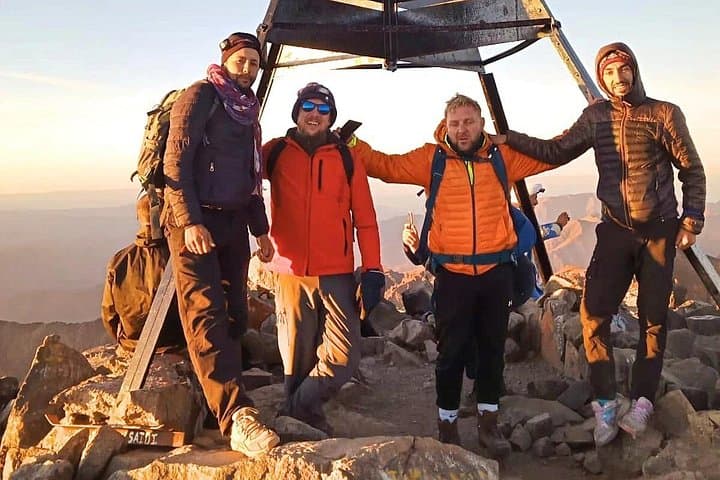
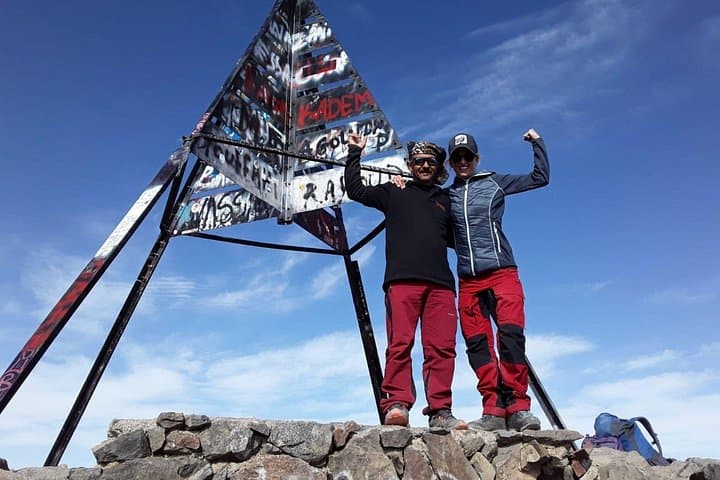
Day two is an early, steady ascent to 4,167 m. Terrain shifts from packed dirt to rocky scree; sections demand firm footing and steady pacing. On a clear morning the summit gives sweeping views across the High Atlas and toward the Sahara’s first haze. Descend back to Imlil and return by road to Casablanca.
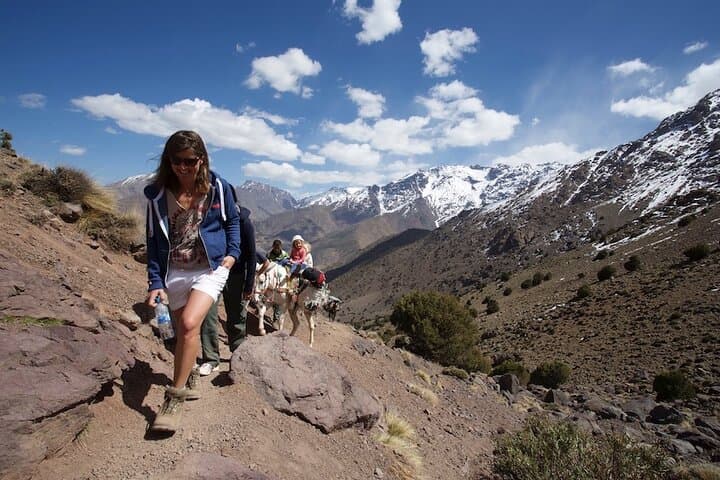
Practical guidance: allow for 5–8 hours of hiking total each day, sleep low to help adaptation, wear broken-in boots, and plan for large temperature swings. Mules carry baggage but expect to carry a daypack with water, layers and sun protection. This two-day itinerary balances ambitious summiting with logistics handled — ideal for fit hikers who want a compact, high-reward Atlas experience.
The summit is a long, steady climb with loose rock near the top; it requires good fitness and a steady pace but no technical climbing in summer conditions.
No — the itinerary uses a mountain refuge/base camp and mules carry baggage; bring a warm sleeping layer if you sleep in shared refuge bedding.
Late spring to early autumn (May–October) offers the most stable conditions; winter brings snow, requiring crampons and mountaineering experience.
Hikers with regular uphill experience and good fitness can complete it, but those with cardiovascular issues or poor tolerance for altitude should avoid this itinerary.
Smart Morocco Tours Excursions operates guided outdoor trips and adventures with an emphasis on safety, stewardship, and memorable experiences.
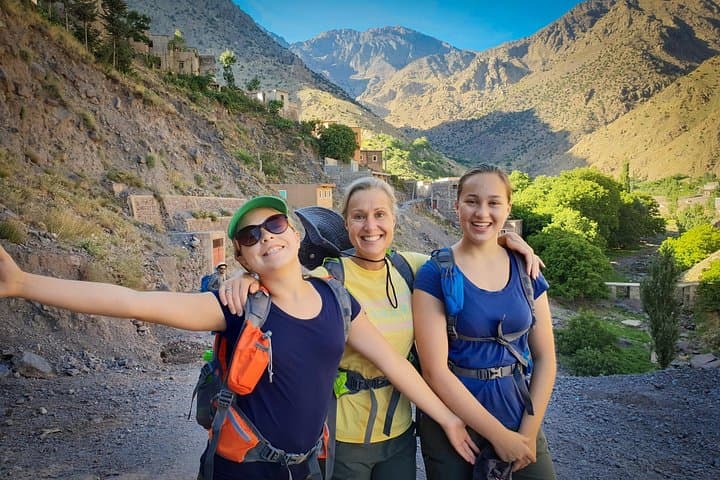
Morning light slices the Atlas ridgeline as your private driver threads the highway from Casablanca toward the red city of Marrakech, and then up into the serrated range where Toubkal rises above the clouds. By mid-afternoon you step into Imlil, a stone-and-tile Berber village where mule bells keep time and the air begins to thin. The trail climbs through terraced fields, walnut groves and loose scree to a base refuge at roughly 3,200 m, the camp that frames a dark, rocky skyline.
Morning light slices the Atlas ridgeline as your private driver threads the highway from Casablanca toward the red city of Marrakech, and then up into the serrated range where Toubkal rises above the clouds. By mid-afternoon you step into Imlil, a stone-and-tile Berber village where mule bells keep time and the air begins to thin. The trail climbs through terraced fields, walnut groves and loose scree to a base refuge at roughly 3,200 m, the camp that frames a dark, rocky skyline.
Geology here is stark: volcanic and metamorphic rocks sculpted into sharp cols and broad bowls. The mountain has been central to local Amazigh (Berber) life for centuries — the trails are both trade routes and pilgrimage paths, and high-altitude shepherding still shapes valley culture. Expect simple communal refuges, tagine meals, and guides who read the weather as easily as maps.
Day two is an early, steady ascent to 4,167 m. Terrain shifts from packed dirt to rocky scree; sections demand firm footing and steady pacing. On a clear morning the summit gives sweeping views across the High Atlas and toward the Sahara’s first haze. Descend back to Imlil and return by road to Casablanca.
Practical guidance: allow for 5–8 hours of hiking total each day, sleep low to help adaptation, wear broken-in boots, and plan for large temperature swings. Mules carry baggage but expect to carry a daypack with water, layers and sun protection. This two-day itinerary balances ambitious summiting with logistics handled — ideal for fit hikers who want a compact, high-reward Atlas experience.