
2-Day Mt. Seorak Private Tour from Seoul: Naksansa, Nami Island & Ulsanbawi Hiking
A compact two-day private tour from Seoul that pairs Seoraksan’s granite spires with coastal temples and an island escape. Hike Ulsanbawi or stroll the sea-facing pavilions of Naksansa, with knowledgeable local guides and all logistics handled.
An Adventure In Sokcho.
A compact two-day private tour from Seoul that pairs Seoraksan’s granite spires with coastal temples and an island escape. Hike Ulsanbawi or stroll the sea-facing pavilions of Naksansa, with knowledgeable local guides and all logistics handled.
Read the full experience
The minivan eases out of Seoul before dawn and the city’s edge gives way to windshield bars of pine and granite. By midmorning you’re in Sokcho, the town that acts like an antechamber to Seoraksan National Park—fishermen pull nets at a working harbor, gulls argue overhead, and the mountains rise like broken teeth against the East Sea. The first day folds together museum exhibits, a lighthouse lunch of grilled fish, and the full-scale bronze Buddha at Sinheungsa, whose gilt outline looks warier and more human up close than photos suggest.
The minivan eases out of Seoul before dawn and the city’s edge gives way to windshield bars of pine and granite. By midmorning you’re in Sokcho, the town that acts like an antechamber to Seoraksan National Park—fishermen pull nets at a working harbor, gulls argue overhead, and the mountains rise like broken teeth against the East Sea. The first day folds together museum exhibits, a lighthouse lunch of grilled fish, and the full-scale bronze Buddha at Sinheungsa, whose gilt outline looks warier and more human up close than photos suggest.
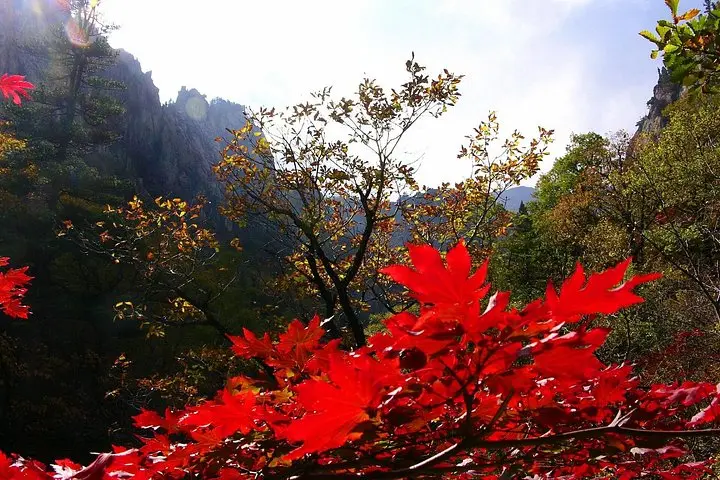
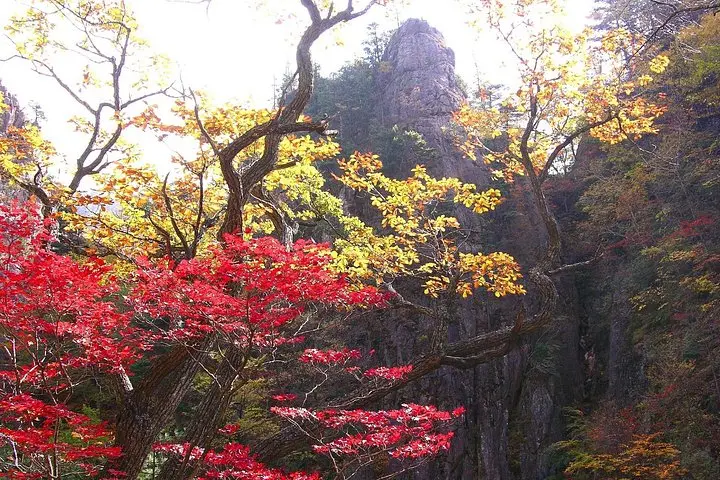
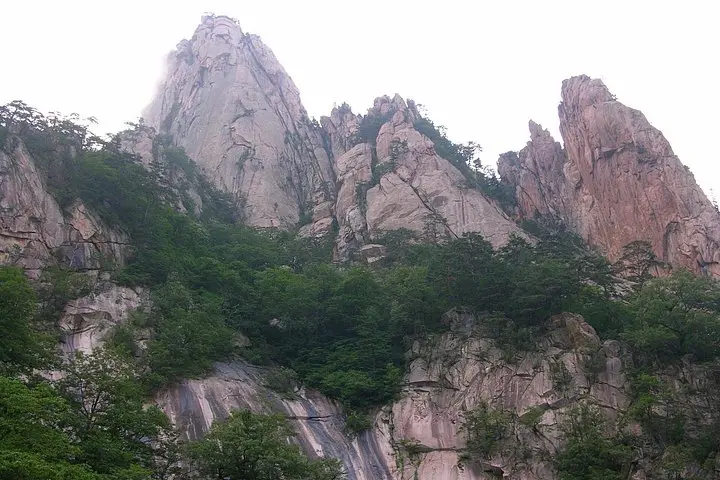
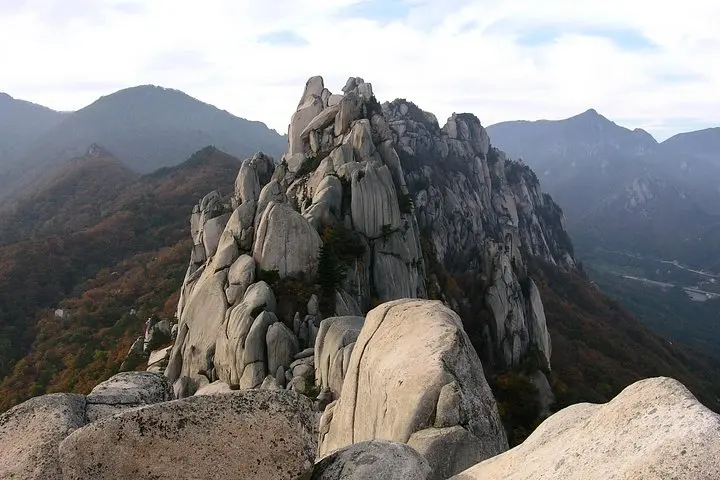
Seoraksan’s geology reads like a slow-motion collision between granite and weather—tors and ribbed cliffs scoured by glaciation and millennia of freeze-thaw. Ulsanbawi, a cluster of six wind-sanded granite spires, offers a compact, dramatic sample: 3–4 hours of switchbacks, exposed stone staircases, and a summit that rewards hikers with an angular panorama over the national park and the glint of the East Sea.
On day two the tour gives you a coastal counterpoint. Naksansa Temple perches above surf and pine, an ancient complex rebuilt and repaired after a 2005 wildfire; the Haesu Gwaneum statue faces seaward with a composure that feels almost theatrical from the cliffside path. Alternatively, Nami Island lays out a gentler, human-crafted landscape—poplar avenues, buried power lines, and broad lawns that became famous after a television drama turned them into pilgrimage routes for couples and families.
This itinerary is private and flexible—your guide is also a cultural interpreter, briefing on Korean history, contemporary life, and the role Buddhism plays in the country’s modern identity. Expect a pragmatic mix of rigorous hiking and accessible cultural stops: cable car lifts for those who prefer altitude without the climb, and temple courtyards for slow, reflective time.
Practical guidance: aim for early departures to avoid Sokcho’s high-season crowds and to catch mountain light on the granite faces. Ulsanbawi’s trail is steep in stretches—think uneven stone, metal railings, and carved steps rather than a soft forest tread. If you choose Nami, leave room in your schedule for the short ferry and for wandering; the island is best photographed in low sun and with fewer people around.
Health and gear: sturdy hiking shoes, layered clothing, and at least 1.5–2 liters of water for the day hikes will keep the trip straightforward. Because the tour includes hotel pickup and motel lodging in Sokcho, it’s an easy two-day escape from Seoul with heavy scenery and light logistics—perfect for travelers who want a compact, culturally rich introduction to Korea’s eastern highlands and coastline.
Frequently asked questions
Yes—pickup from hotels in Seoul and nearby neighborhoods is included; you’ll confirm your exact pickup point after booking.
Yes—the private tour is customizable; you can choose the coastal temple + island option or the more mountain-focused Ulsanbawi hike.
The trail takes about 3–4 hours round-trip with steep stone stairs and exposed sections—moderate fitness is recommended.
Entrance fees, taxes, breakfast, and a motel night in Sokcho are included per the itinerary; lunch is typically arranged at local seafood restaurants.
The tour lists wheelchair-accessible transportation and many public areas are accessible, but some temple and mountain paths have steps—discuss needs with the operator in advance.
Full refund if cancelled at least 6 full days before departure; 50% refund 2–6 days prior; no refund within 2 days.
About This Experience
Outdoors Korea operates guided outdoor trips and adventures with an emphasis on safety, stewardship, and memorable experiences.
Adventure tips
Recommended gear
- Sturdy hiking shoes: Grip and ankle support matter on granite steps and uneven trails like Ulsanbawi.
- Layered jacket (windproof): Protects against chilly mountaintop winds and damp coastal breezes at Naksansa.
- Water bottle (1.5–2L): Keeps you hydrated on exposed climbs and during summer heat.
- Compact rain shell: Afternoon showers are common in summer—quick protection keeps you dry.
Photos of the experience
Related adventures & guides
Read the full experience
The minivan eases out of Seoul before dawn and the city’s edge gives way to windshield bars of pine and granite. By midmorning you’re in Sokcho, the town that acts like an antechamber to Seoraksan National Park—fishermen pull nets at a working harbor, gulls argue overhead, and the mountains rise like broken teeth against the East Sea. The first day folds together museum exhibits, a lighthouse lunch of grilled fish, and the full-scale bronze Buddha at Sinheungsa, whose gilt outline looks warier and more human up close than photos suggest.
The minivan eases out of Seoul before dawn and the city’s edge gives way to windshield bars of pine and granite. By midmorning you’re in Sokcho, the town that acts like an antechamber to Seoraksan National Park—fishermen pull nets at a working harbor, gulls argue overhead, and the mountains rise like broken teeth against the East Sea. The first day folds together museum exhibits, a lighthouse lunch of grilled fish, and the full-scale bronze Buddha at Sinheungsa, whose gilt outline looks warier and more human up close than photos suggest.
Seoraksan’s geology reads like a slow-motion collision between granite and weather—tors and ribbed cliffs scoured by glaciation and millennia of freeze-thaw. Ulsanbawi, a cluster of six wind-sanded granite spires, offers a compact, dramatic sample: 3–4 hours of switchbacks, exposed stone staircases, and a summit that rewards hikers with an angular panorama over the national park and the glint of the East Sea.
On day two the tour gives you a coastal counterpoint. Naksansa Temple perches above surf and pine, an ancient complex rebuilt and repaired after a 2005 wildfire; the Haesu Gwaneum statue faces seaward with a composure that feels almost theatrical from the cliffside path. Alternatively, Nami Island lays out a gentler, human-crafted landscape—poplar avenues, buried power lines, and broad lawns that became famous after a television drama turned them into pilgrimage routes for couples and families.
This itinerary is private and flexible—your guide is also a cultural interpreter, briefing on Korean history, contemporary life, and the role Buddhism plays in the country’s modern identity. Expect a pragmatic mix of rigorous hiking and accessible cultural stops: cable car lifts for those who prefer altitude without the climb, and temple courtyards for slow, reflective time.
Practical guidance: aim for early departures to avoid Sokcho’s high-season crowds and to catch mountain light on the granite faces. Ulsanbawi’s trail is steep in stretches—think uneven stone, metal railings, and carved steps rather than a soft forest tread. If you choose Nami, leave room in your schedule for the short ferry and for wandering; the island is best photographed in low sun and with fewer people around.
Health and gear: sturdy hiking shoes, layered clothing, and at least 1.5–2 liters of water for the day hikes will keep the trip straightforward. Because the tour includes hotel pickup and motel lodging in Sokcho, it’s an easy two-day escape from Seoul with heavy scenery and light logistics—perfect for travelers who want a compact, culturally rich introduction to Korea’s eastern highlands and coastline.
Make a day of it nearby.
Verified experiences and guided adventures in the surrounding area.