THE ADVENTURE COLLECTIVE® · Independent discovery and booking for outdoor travel

Tick off Mumbai’s colonial landmarks, Marine Drive and a half-day excursion to Elephanta Island on this private 2-day tour. Expect a one-hour boat crossing, rock-cut cave temples dating to the 7th century, and focused, guided exploration with hotel pickup.
Tick off Mumbai’s colonial landmarks, Marine Drive and a half-day excursion to Elephanta Island on this private 2-day tour. Expect a one-hour boat crossing, rock-cut cave temples dating to the 7th century, and focused, guided exploration with hotel pickup.
You step out at dawn onto the basalt promenade at the Gateway of India, salt wind pushing against the city and the catamaran’s hull already impatient on the water.
Verified experiences and guided adventures in the surrounding area.
Operated by The Taj Wonder Tours · Mumbai, Maharashtra
You step out at dawn onto the basalt promenade at the Gateway of India, salt wind pushing against the city and the catamaran’s hull already impatient on the water.
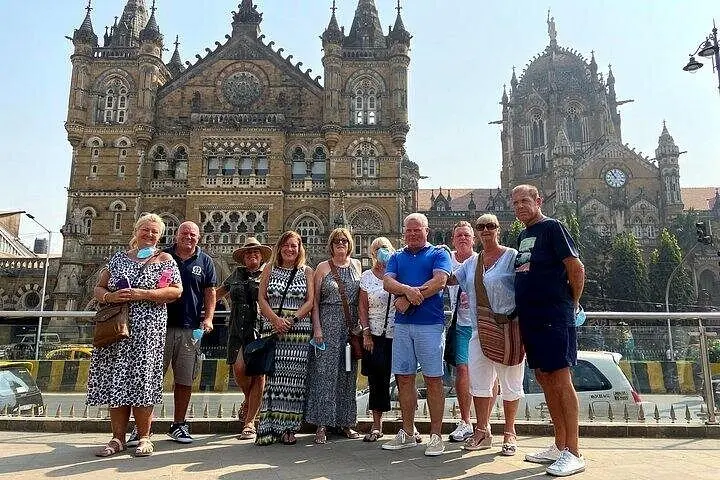
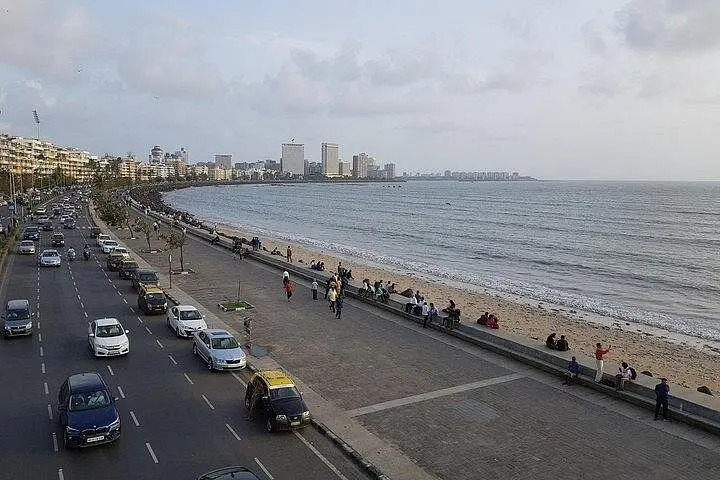
By mid-morning the boat cuts across Mumbai Harbour, the sea daring you into the green of Elephanta Island. The island’s rock-cut caves rise from black volcanic stone, enormous panels of Shiva carved into shady chambers that feel both ancient and immediate. Back in the city, colonial-era facades — Victoria Terminus and the Taj — stand beside the steady curve of Marine Drive, where locals and visitors trade the same sunset.
Mumbai is a port city shaped by trade, British-era building programs, and centuries of maritime exchange. Geologically, the Elephanta caves are carved from coastal basalt flows; the sculptures date to roughly the 7th–8th centuries CE and focus on Shaivite iconography. Culturally, the tour threads the city’s contrasts: crowded markets and manicured gardens, ceremonial ghats and a working dhobi ghat.
Practical guidance: plan for lots of walking and stairs at Elephanta — comfortable shoes and a light daypack are essential. The round-trip boat is about an hour each way; expect 3–4 hours on the island to move between caves and viewpoints. Carry reusable water, sun protection, and small cash for entry fees and vendors; peak heat is late morning to afternoon and the monsoon months bring heavy rain and choppy seas. Accessibility is generally good for the city segments, but the cave complex includes steep stone steps and uneven floors. Timing your visit early reduces crowds and heat, lets the island’s sculpted faces read clearly in side light, and makes the boat ride smoother.
Yes; the itinerary includes the catamaran crossing from the Gateway of India to Elephanta Island as part of day two.
Admission is typically not included in some packages; bring local currency to pay site fees at Elephanta if required.
City stops and transport are wheelchair accessible, but the Elephanta cave complex has steep, uneven stone steps that limit full access.
November to February offers cooler, drier weather; mornings are best year-round to avoid heat and crowds.
The Taj Wonder Tours operates guided outdoor trips and adventures with an emphasis on safety, stewardship, and memorable experiences.
You step out at dawn onto the basalt promenade at the Gateway of India, salt wind pushing against the city and the catamaran’s hull already impatient on the water.
You step out at dawn onto the basalt promenade at the Gateway of India, salt wind pushing against the city and the catamaran’s hull already impatient on the water.
By mid-morning the boat cuts across Mumbai Harbour, the sea daring you into the green of Elephanta Island. The island’s rock-cut caves rise from black volcanic stone, enormous panels of Shiva carved into shady chambers that feel both ancient and immediate. Back in the city, colonial-era facades — Victoria Terminus and the Taj — stand beside the steady curve of Marine Drive, where locals and visitors trade the same sunset.
Mumbai is a port city shaped by trade, British-era building programs, and centuries of maritime exchange. Geologically, the Elephanta caves are carved from coastal basalt flows; the sculptures date to roughly the 7th–8th centuries CE and focus on Shaivite iconography. Culturally, the tour threads the city’s contrasts: crowded markets and manicured gardens, ceremonial ghats and a working dhobi ghat.
Practical guidance: plan for lots of walking and stairs at Elephanta — comfortable shoes and a light daypack are essential. The round-trip boat is about an hour each way; expect 3–4 hours on the island to move between caves and viewpoints. Carry reusable water, sun protection, and small cash for entry fees and vendors; peak heat is late morning to afternoon and the monsoon months bring heavy rain and choppy seas. Accessibility is generally good for the city segments, but the cave complex includes steep stone steps and uneven floors. Timing your visit early reduces crowds and heat, lets the island’s sculpted faces read clearly in side light, and makes the boat ride smoother.