THE ADVENTURE COLLECTIVE® · Independent discovery and booking for outdoor travel

Two days of focused game drives take you from Tarangire’s baobab plains to the enclosed wilderness of Ngorongoro Crater. This private camping safari delivers concentrated wildlife viewing, park fees included, and local guiding for a compact Northern Circuit experience.
Two days of focused game drives take you from Tarangire’s baobab plains to the enclosed wilderness of Ngorongoro Crater. This private camping safari delivers concentrated wildlife viewing, park fees included, and local guiding for a compact Northern Circuit experience.
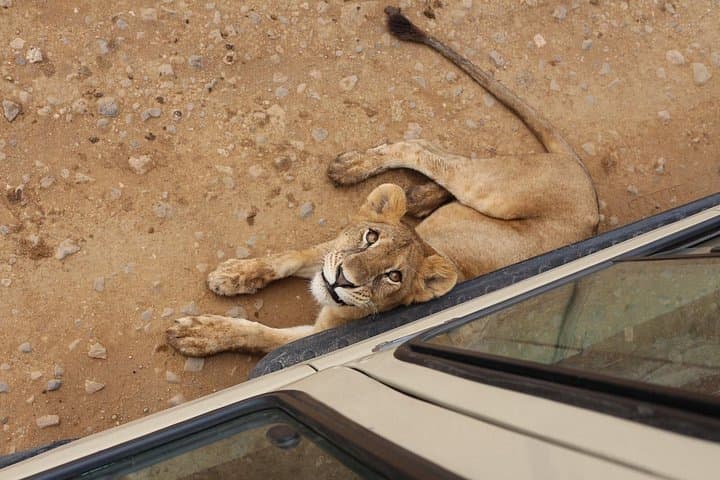
Dawn spills across the Rift Valley as the roofless 4x4 rattles out of Arusha, mist lifting from acacia and baobab silhouettes. On day one the landscape opens into Tarangire National Park: dry-country antelope edge past riverine scrub, swamp channels whisper, and elephants move like slow weather across the plain. By day two you descend the rim into the Ngorongoro Crater, where a bowl-shaped world of grassland and waterholes concentrates predators and plains game into dramatic, close-range viewing.
Verified experiences and guided adventures in the surrounding area.
Operated by World Tours & Safaris Tanzania · Arusha, Arusha Region
Dawn spills across the Rift Valley as the roofless 4x4 rattles out of Arusha, mist lifting from acacia and baobab silhouettes. On day one the landscape opens into Tarangire National Park: dry-country antelope edge past riverine scrub, swamp channels whisper, and elephants move like slow weather across the plain. By day two you descend the rim into the Ngorongoro Crater, where a bowl-shaped world of grassland and waterholes concentrates predators and plains game into dramatic, close-range viewing.
Geology wrote this route in lava and time — Ngorongoro is a collapsed volcanic caldera roughly 19.2 km across and 610 m deep, its sheltered basin supporting year-round water and dense wildlife populations. Tarangire’s seasonal Silale Swamp shapes animal movement; Maasai pastoral culture threads through both areas, with grazing rights and people’s history integral to conservation and local economies.
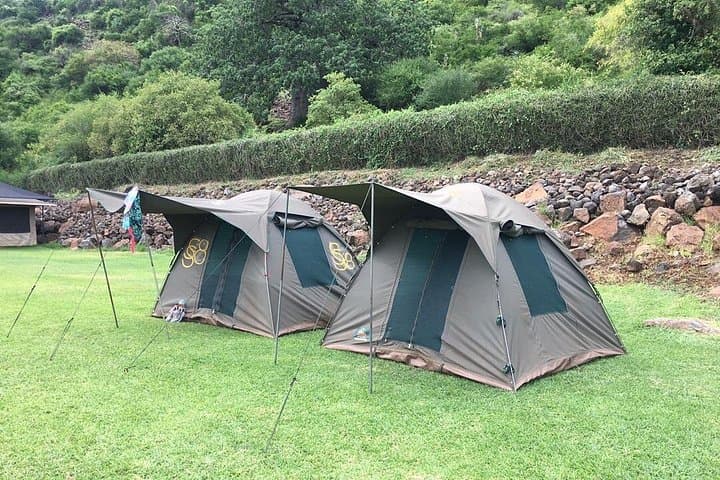
Expect long game-drive days: about 120 km to Tarangire (≈2 hours) with six hours of wildlife viewing, then ~190 km to Ngorongoro (≈3 hours) and another six hours on day two. Terrain shifts from paved roads to corrugated park tracks; campsites (Migombani) are basic camping setups with meals provided. Guides read animal signs, position vehicles, and manage park logistics — their knowledge makes sightings consistent.
Practical tips: travel light but bring layered clothing for chilly mornings, sun protection, refillable water, and binoculars. Cameras with fast lenses reward the crater’s close encounters; respect park rules, maintain distance from wildlife, and carry any required vaccinations and travel insurance. This is a short, concentrated taste of Tanzania’s Northern Circuit — wild, immediate, and efficiently staged for maximum viewing in two days.
Yes — the itinerary lists all related park fees, government taxes, and meals per the itinerary as included.
Children can join, and infant seats are available, but the operator requests travel-health considerations and may have age guidance—check during booking.
Camping is in a simple campsite (Migombani) with basic facilities; meals are provided and guides manage setup—expect comfortable but not luxury accommodations.
Consult a travel clinic before departure; vaccinations and anti-malarial measures are commonly recommended for northern Tanzania depending on your itinerary and medical history.
World Tours & Safaris Tanzania operates guided outdoor trips and adventures with an emphasis on safety, stewardship, and memorable experiences.


Dawn spills across the Rift Valley as the roofless 4x4 rattles out of Arusha, mist lifting from acacia and baobab silhouettes. On day one the landscape opens into Tarangire National Park: dry-country antelope edge past riverine scrub, swamp channels whisper, and elephants move like slow weather across the plain. By day two you descend the rim into the Ngorongoro Crater, where a bowl-shaped world of grassland and waterholes concentrates predators and plains game into dramatic, close-range viewing.
Dawn spills across the Rift Valley as the roofless 4x4 rattles out of Arusha, mist lifting from acacia and baobab silhouettes. On day one the landscape opens into Tarangire National Park: dry-country antelope edge past riverine scrub, swamp channels whisper, and elephants move like slow weather across the plain. By day two you descend the rim into the Ngorongoro Crater, where a bowl-shaped world of grassland and waterholes concentrates predators and plains game into dramatic, close-range viewing.
Geology wrote this route in lava and time — Ngorongoro is a collapsed volcanic caldera roughly 19.2 km across and 610 m deep, its sheltered basin supporting year-round water and dense wildlife populations. Tarangire’s seasonal Silale Swamp shapes animal movement; Maasai pastoral culture threads through both areas, with grazing rights and people’s history integral to conservation and local economies.
Expect long game-drive days: about 120 km to Tarangire (≈2 hours) with six hours of wildlife viewing, then ~190 km to Ngorongoro (≈3 hours) and another six hours on day two. Terrain shifts from paved roads to corrugated park tracks; campsites (Migombani) are basic camping setups with meals provided. Guides read animal signs, position vehicles, and manage park logistics — their knowledge makes sightings consistent.
Practical tips: travel light but bring layered clothing for chilly mornings, sun protection, refillable water, and binoculars. Cameras with fast lenses reward the crater’s close encounters; respect park rules, maintain distance from wildlife, and carry any required vaccinations and travel insurance. This is a short, concentrated taste of Tanzania’s Northern Circuit — wild, immediate, and efficiently staged for maximum viewing in two days.