THE ADVENTURE COLLECTIVE® · Independent discovery and booking for outdoor travel

Drive west from Paramaribo across rice plains and coconut coastlines to Nieuw Nickerie, then take a boat into Bigipan Nature Reserve to watch breeding flocks of Red Ibis and coastal waders. This two-day journey combines cultural stops, tidal wetlands and focused birdwatching.
Drive west from Paramaribo across rice plains and coconut coastlines to Nieuw Nickerie, then take a boat into Bigipan Nature Reserve to watch breeding flocks of Red Ibis and coastal waders. This two-day journey combines cultural stops, tidal wetlands and focused birdwatching.
The road out of Paramaribo unfolds flat and open: rice paddies stretch like mirrors, mangrove channels braid toward the coast, and the dike at Nieuw Nickerie frames a wide, late-afternoon sky. By dusk you’ll be walking Zeedijk, feeling the sea breeze push against the salt flats; the next morning a small boat cuts through braided creeks in Bigipan, where ibis and herons rise like punctuation marks off the mud.
Verified experiences and guided adventures in the surrounding area.
Operated by Purity Tours & Services · Nieuw Nickerie, Nickerie
The road out of Paramaribo unfolds flat and open: rice paddies stretch like mirrors, mangrove channels braid toward the coast, and the dike at Nieuw Nickerie frames a wide, late-afternoon sky. By dusk you’ll be walking Zeedijk, feeling the sea breeze push against the salt flats; the next morning a small boat cuts through braided creeks in Bigipan, where ibis and herons rise like punctuation marks off the mud.
This two-day loop threads together Suriname’s coastal history — Dutch planters, coconut groves in Coronie, and the rice fields that define Nickerie’s economy. Geologically the region is a low-lying coastal plain of alluvial soils and tidal flats; tides and freshwater runoff shape the wetland mosaics that birds favor. Culturally the route passes small farming towns where livelihoods moved from coconuts to rice and migration toward Paramaribo changed village life.
On the water, Bigipan is primarily a bird-breeding reserve; guides will point out Red Ibis, osprey and resident herons among mangrove fringes and seasonal mudflats. Expect calm, low-speed boat travel—bring binoculars and a camera with a steady hand.
Practical notes: the drive from Paramaribo to Nieuw Nickerie is long (roughly 4–5 hours each way), so plan for early departures and a relaxed pace. A checkpoint requires passports, and the reserve can be buggy and sun-exposed—layer sun protection and insect repellent. Morning and late-afternoon boat runs offer the best light and bird activity. Accommodations are basic; comfortable shoes, hydration and patience for local travel rhythms make the trip rewarding for nature-minded travelers.
Yes. Guides note a checkpoint along the route—bring your passport to avoid being turned back.
Expect roughly 4–5 hours of driving each way, depending on traffic and stops in Groningen and Coronie.
Early morning and late afternoon provide the most bird activity and best light; the region hosts many seasonal species during the southern winter months.
Breakfast and lunches are included as described in the itinerary; bring snacks if you prefer specific dietary items.
Purity Tours & Services operates guided outdoor trips and adventures with an emphasis on safety, stewardship, and memorable experiences.
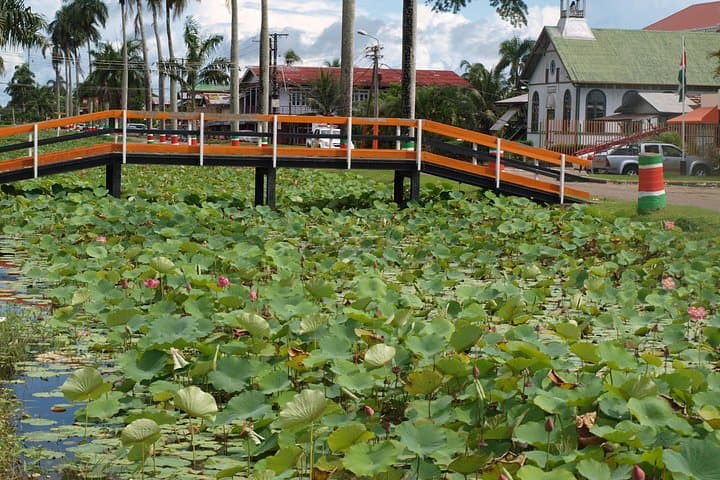

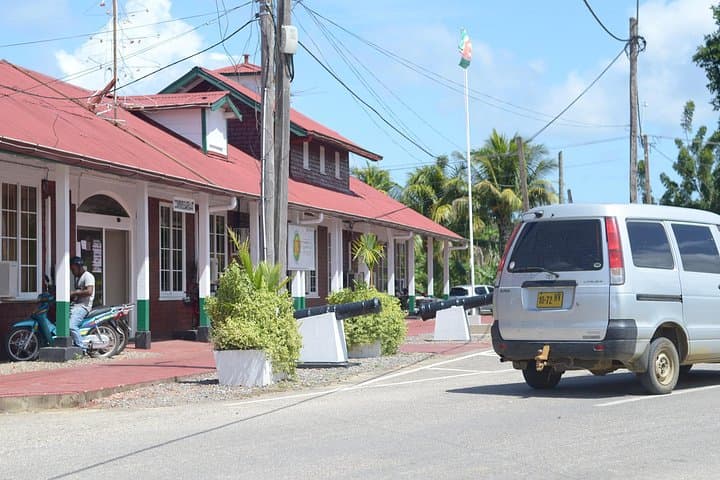

The road out of Paramaribo unfolds flat and open: rice paddies stretch like mirrors, mangrove channels braid toward the coast, and the dike at Nieuw Nickerie frames a wide, late-afternoon sky. By dusk you’ll be walking Zeedijk, feeling the sea breeze push against the salt flats; the next morning a small boat cuts through braided creeks in Bigipan, where ibis and herons rise like punctuation marks off the mud.
The road out of Paramaribo unfolds flat and open: rice paddies stretch like mirrors, mangrove channels braid toward the coast, and the dike at Nieuw Nickerie frames a wide, late-afternoon sky. By dusk you’ll be walking Zeedijk, feeling the sea breeze push against the salt flats; the next morning a small boat cuts through braided creeks in Bigipan, where ibis and herons rise like punctuation marks off the mud.
This two-day loop threads together Suriname’s coastal history — Dutch planters, coconut groves in Coronie, and the rice fields that define Nickerie’s economy. Geologically the region is a low-lying coastal plain of alluvial soils and tidal flats; tides and freshwater runoff shape the wetland mosaics that birds favor. Culturally the route passes small farming towns where livelihoods moved from coconuts to rice and migration toward Paramaribo changed village life.
On the water, Bigipan is primarily a bird-breeding reserve; guides will point out Red Ibis, osprey and resident herons among mangrove fringes and seasonal mudflats. Expect calm, low-speed boat travel—bring binoculars and a camera with a steady hand.
Practical notes: the drive from Paramaribo to Nieuw Nickerie is long (roughly 4–5 hours each way), so plan for early departures and a relaxed pace. A checkpoint requires passports, and the reserve can be buggy and sun-exposed—layer sun protection and insect repellent. Morning and late-afternoon boat runs offer the best light and bird activity. Accommodations are basic; comfortable shoes, hydration and patience for local travel rhythms make the trip rewarding for nature-minded travelers.