THE ADVENTURE COLLECTIVE® · Independent discovery and booking for outdoor travel

Climb from Naudanda to Panchase for a two‑day trek that rewards early rises with sweeping sunrise views of the Annapurna and Dhaulagiri ranges. This practical, lodge‑based route is ideal for hikers with moderate fitness seeking high‑value mountain panoramas close to Pokhara.
Climb from Naudanda to Panchase for a two‑day trek that rewards early rises with sweeping sunrise views of the Annapurna and Dhaulagiri ranges. This practical, lodge‑based route is ideal for hikers with moderate fitness seeking high‑value mountain panoramas close to Pokhara.
The first steps leave Pokhara’s lakefront behind and the air thins into a cooler, pine-scented rhythm as you climb toward Panchase. By dawn the ridge opens to a near‑180°brace of peaks—Annapurna I and the jagged Annapurna range to the east, Dhaulagiri to the northwest—while terraced fields and lowland villages sit like patchwork below.
Verified experiences and guided adventures in the surrounding area.
Operated by Peace Himalaya Treks & Travels Pvt. Ltd · Naudanda, Gandaki Province
The first steps leave Pokhara’s lakefront behind and the air thins into a cooler, pine-scented rhythm as you climb toward Panchase. By dawn the ridge opens to a near‑180°brace of peaks—Annapurna I and the jagged Annapurna range to the east, Dhaulagiri to the northwest—while terraced fields and lowland villages sit like patchwork below.
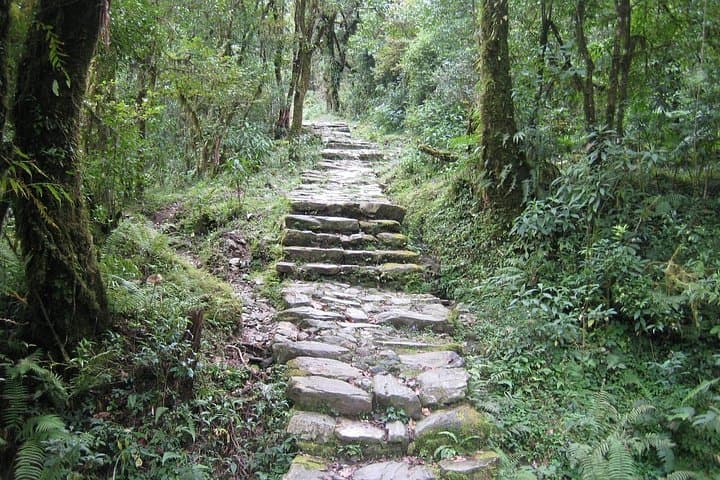
Panchase sits on a limestone ridge carved by tectonic lift and centuries of monsoon erosion; local Gurung and Magar communities have long regarded the hill as spiritually important, with small shrines and summer grazing plots scattered along the way. Trails wind through rhododendron and oak forest, cross seasonal streams and climb a mix of stone steps and earthen track—terrain that reflects both natural geology and sustained human use.
This two‑day itinerary typically starts with a short transfer from Pokhara to Naudanda, a steady ascent of roughly 1,000–1,200 m to the Panchase summit area, and a night in a basic lodge before a predawn walk to the viewpoint for sunrise. Expect about 10–14 km total walking over uneven paths, pockets of mud in the monsoon, and clear, cold air at higher elevations.
Practical tips: start early to avoid afternoon clouds, layer for dramatic temperature shifts, carry enough water and snacks, and reserve lodge accommodation in advance during peak seasons (spring and autumn). Guides from Pokhara handle permits and logistics; fitness at a moderate level makes the climb enjoyable rather than punishing. The reward is immediate: sunrise that pushes the mountains forward like an advancing line, and a quiet descent through forests that seem to watch you go.
The route is moderate: no technical climbing but sustained uphill sections and uneven terrain. A basic level of fitness and experience with day hikes is recommended.
Local guides are commonly included and recommended for logistics; permits are generally handled by operators—independent trekkers should check local regulations and notify authorities.
Basic hill lodges and guesthouses with shared rooms, simple meals, and limited hot water; book ahead in peak seasons.
Spring (March–May) and autumn (September–November) offer the clearest mountain views and stable weather; monsoon brings lush forests but muddy trails.
Peace Himalaya Treks & Travels Pvt. Ltd operates guided outdoor trips and adventures with an emphasis on safety, stewardship, and memorable experiences.
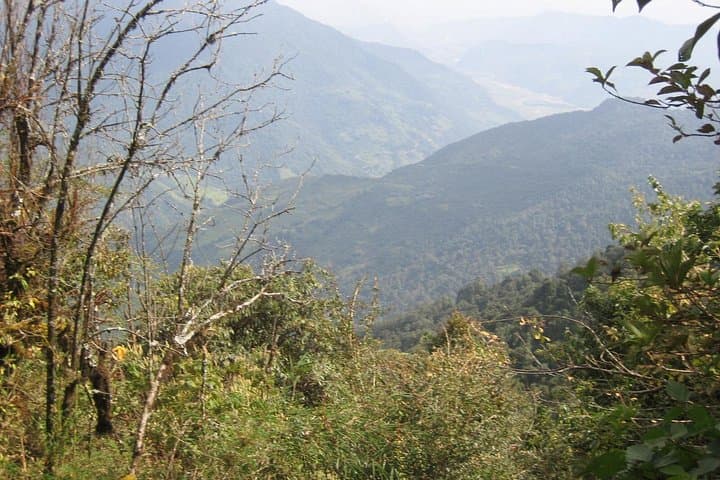
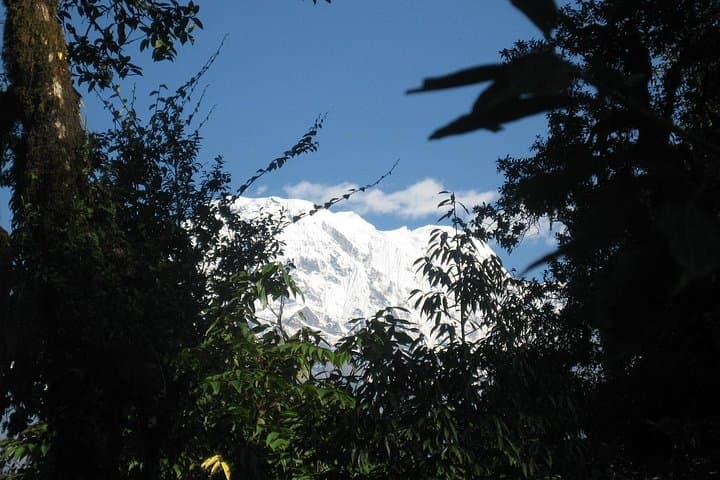
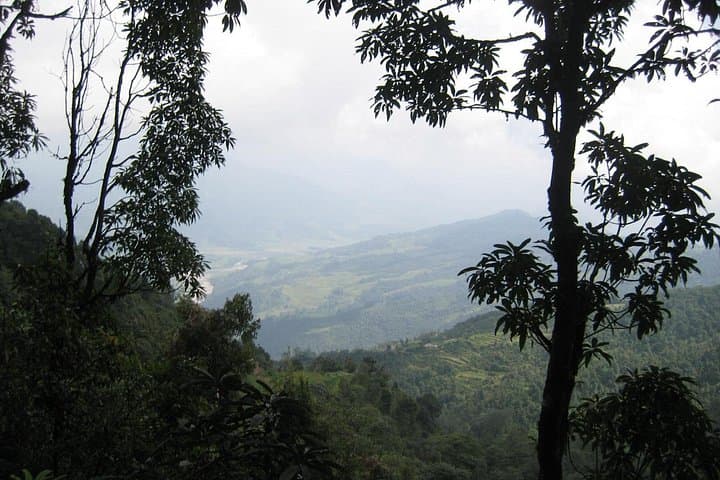
The first steps leave Pokhara’s lakefront behind and the air thins into a cooler, pine-scented rhythm as you climb toward Panchase. By dawn the ridge opens to a near‑180°brace of peaks—Annapurna I and the jagged Annapurna range to the east, Dhaulagiri to the northwest—while terraced fields and lowland villages sit like patchwork below.
The first steps leave Pokhara’s lakefront behind and the air thins into a cooler, pine-scented rhythm as you climb toward Panchase. By dawn the ridge opens to a near‑180°brace of peaks—Annapurna I and the jagged Annapurna range to the east, Dhaulagiri to the northwest—while terraced fields and lowland villages sit like patchwork below.
Panchase sits on a limestone ridge carved by tectonic lift and centuries of monsoon erosion; local Gurung and Magar communities have long regarded the hill as spiritually important, with small shrines and summer grazing plots scattered along the way. Trails wind through rhododendron and oak forest, cross seasonal streams and climb a mix of stone steps and earthen track—terrain that reflects both natural geology and sustained human use.
This two‑day itinerary typically starts with a short transfer from Pokhara to Naudanda, a steady ascent of roughly 1,000–1,200 m to the Panchase summit area, and a night in a basic lodge before a predawn walk to the viewpoint for sunrise. Expect about 10–14 km total walking over uneven paths, pockets of mud in the monsoon, and clear, cold air at higher elevations.
Practical tips: start early to avoid afternoon clouds, layer for dramatic temperature shifts, carry enough water and snacks, and reserve lodge accommodation in advance during peak seasons (spring and autumn). Guides from Pokhara handle permits and logistics; fitness at a moderate level makes the climb enjoyable rather than punishing. The reward is immediate: sunrise that pushes the mountains forward like an advancing line, and a quiet descent through forests that seem to watch you go.