THE ADVENTURE COLLECTIVE® · Independent discovery and booking for outdoor travel
Ride a panoramic train from Ollantaytambo to Aguas Calientes, spend a relaxed night near the ruins, then enter Machu Picchu with a guided circuit the next day. This two-day plan pairs scenic rail travel with a curated visit to one of the world’s most iconic Inca sites.
Ride a panoramic train from Ollantaytambo to Aguas Calientes, spend a relaxed night near the ruins, then enter Machu Picchu with a guided circuit the next day. This two-day plan pairs scenic rail travel with a curated visit to one of the world’s most iconic Inca sites.
The panoramic train eases out of Ollantaytambo and the high Andes open like a map: ridgelines carved by the Vilcanota River, terraces clinging to slopes, and cloud forest pressing close as the valley drops away.
Verified experiences and guided adventures in the surrounding area.
Operated by Howlanders · Aguas Calientes (Machu Picchu Pueblo), Cusco Region
The panoramic train eases out of Ollantaytambo and the high Andes open like a map: ridgelines carved by the Vilcanota River, terraces clinging to slopes, and cloud forest pressing close as the valley drops away.
By evening you arrive in Aguas Calientes—a compact mountain town built at the foot of Machu Picchu—where hot springs and a short hike to Alcamayo Waterfalls offer a gentle warm-up before the main event.
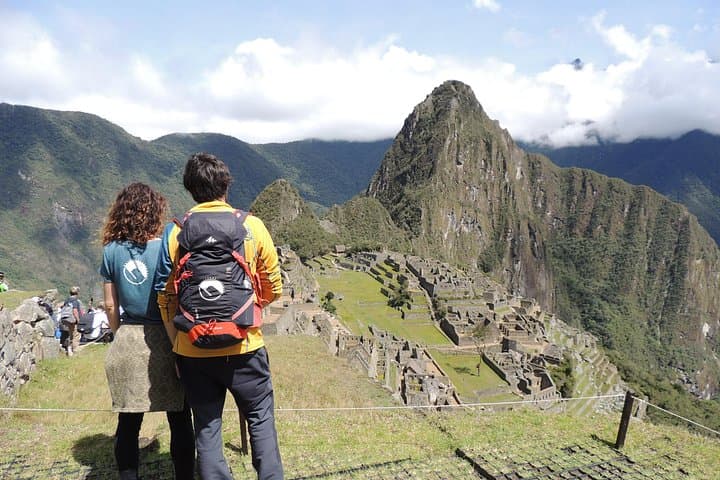
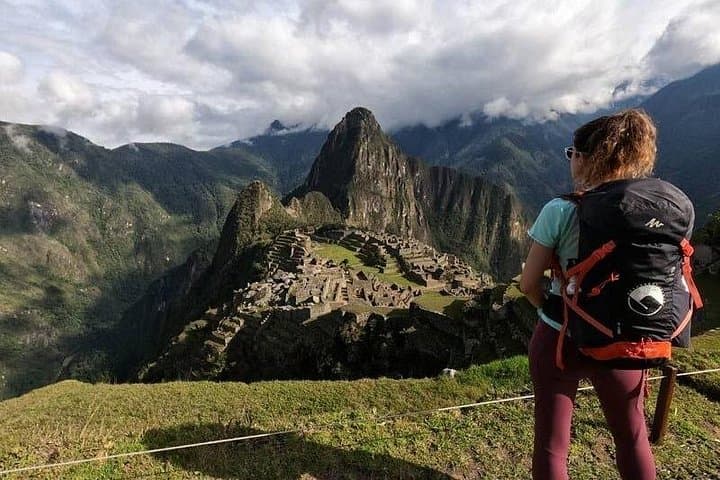
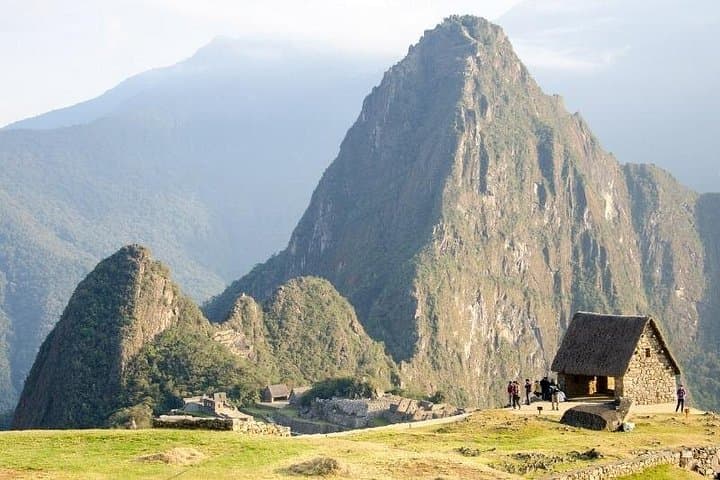
Machu Picchu itself sits on a limestone spur above the Urubamba (Vilcanota) River, carved by geological uplift and glacial sculpting. The site’s finely cut ashlar masonry and agricultural terraces date to the 15th century under Inca rulers; it remained largely unknown to the outside world until Hiram Bingham’s 1911 expedition. Visiting now means following assigned circuits designed to protect fragile structures and the surrounding cloud forest.
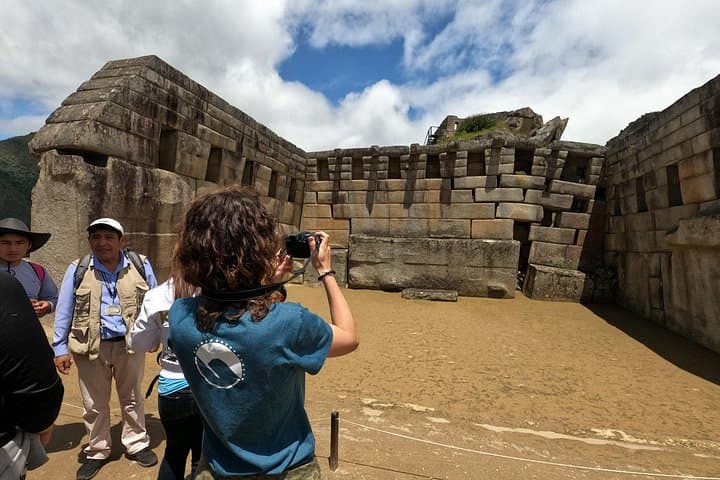
Expect narrow stone paths, steep steps, and sudden, sweeping views—sunlight will highlight terraces and shadow the plazas. Guides will walk you through Inca urban planning, irrigation channels, and how the mountain’s geology shaped the site.
Practicalities: trains run from Ollantaytambo to Aguas Calientes; nights are spent in a 3-star hotel in town. Entrance slots and shuttle-bus departures are tied to your ticket—carry printed or mobile passes and ID. Altitude can make the climb feel harder; hydrate, move deliberately on uneven stone, and wear grippy footwear. Plan for early mornings for softer light and fewer crowds, and leave no trace: circuits are enforced and rangers are active.
No—standard Machu Picchu tickets include the main citadel circuit; Huayna Picchu and Machu Picchu Mountain require separate, limited tickets purchased in advance.
The scenic train takes about 1.5 to 2 hours each way, depending on the service and stops.
Yes—this itinerary is designed to be accessible, but mobility limitations and altitude sensitivity should be considered; shuttle buses reduce steep walking.
Rest, hydrate, avoid alcohol before arrival, and consider coca tea or acetazolamide after consulting a doctor; plan time in Cusco to acclimatize.
Howlanders operates guided outdoor trips and adventures with an emphasis on safety, stewardship, and memorable experiences.
The panoramic train eases out of Ollantaytambo and the high Andes open like a map: ridgelines carved by the Vilcanota River, terraces clinging to slopes, and cloud forest pressing close as the valley drops away.
The panoramic train eases out of Ollantaytambo and the high Andes open like a map: ridgelines carved by the Vilcanota River, terraces clinging to slopes, and cloud forest pressing close as the valley drops away.
By evening you arrive in Aguas Calientes—a compact mountain town built at the foot of Machu Picchu—where hot springs and a short hike to Alcamayo Waterfalls offer a gentle warm-up before the main event.
Machu Picchu itself sits on a limestone spur above the Urubamba (Vilcanota) River, carved by geological uplift and glacial sculpting. The site’s finely cut ashlar masonry and agricultural terraces date to the 15th century under Inca rulers; it remained largely unknown to the outside world until Hiram Bingham’s 1911 expedition. Visiting now means following assigned circuits designed to protect fragile structures and the surrounding cloud forest.
Expect narrow stone paths, steep steps, and sudden, sweeping views—sunlight will highlight terraces and shadow the plazas. Guides will walk you through Inca urban planning, irrigation channels, and how the mountain’s geology shaped the site.
Practicalities: trains run from Ollantaytambo to Aguas Calientes; nights are spent in a 3-star hotel in town. Entrance slots and shuttle-bus departures are tied to your ticket—carry printed or mobile passes and ID. Altitude can make the climb feel harder; hydrate, move deliberately on uneven stone, and wear grippy footwear. Plan for early mornings for softer light and fewer crowds, and leave no trace: circuits are enforced and rangers are active.
