THE ADVENTURE COLLECTIVE® · Independent discovery and booking for outdoor travel

Experience Angkor Wat at sunrise, scramble through the tree-claimed galleries of Ta Prohm, and ride a private boat into the living landscape of Tonle Sap. This two-day private tour blends iconic temples with quieter ruins and authentic village life.
Experience Angkor Wat at sunrise, scramble through the tree-claimed galleries of Ta Prohm, and ride a private boat into the living landscape of Tonle Sap. This two-day private tour blends iconic temples with quieter ruins and authentic village life.
Before first light you stand at the wideReflecting pool as mist peels off the moat and Angkor Wat’s silhouette sharpens against a pale sky. The temple’s bas-reliefs awaken with color as the sun climbs; later, roots and stone at Ta Prohm press together like old friends keeping secrets.
Verified experiences and guided adventures in the surrounding area.
Operated by Siem Reap Experience · Siem Reap, Siem Reap Province
Before first light you stand at the wideReflecting pool as mist peels off the moat and Angkor Wat’s silhouette sharpens against a pale sky. The temple’s bas-reliefs awaken with color as the sun climbs; later, roots and stone at Ta Prohm press together like old friends keeping secrets.
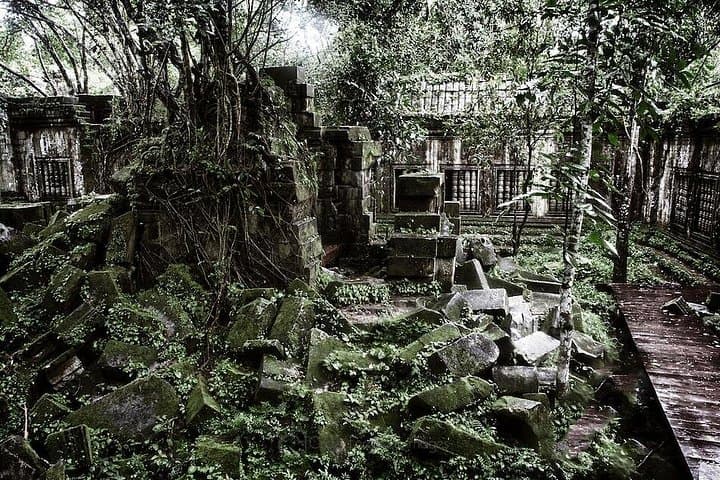
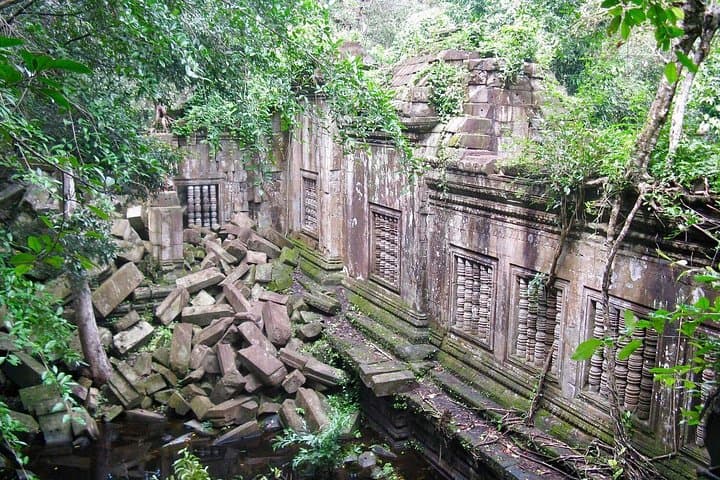
Built in the early 12th century under King Suryavarman II, Angkor Wat is a sandstone complex raised on laterite foundations—an engineering and artistic hallmark of the Khmer Empire. Bayon’s carved faces and the tree-embraced galleries of Ta Prohm show both deliberate design and centuries of natural reclamation. Beng Mealea, roughly 70 km northeast, keeps that explorer’s feeling: collapsed galleries, mossed blocks and scramble-ready ruins that are quieter than the core sites.
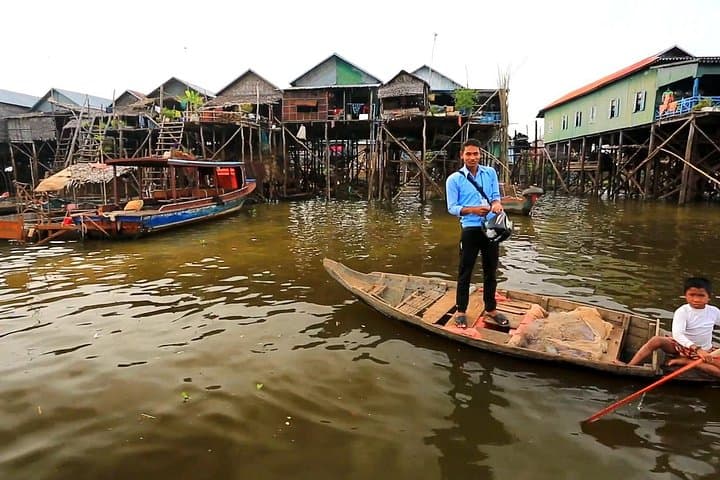
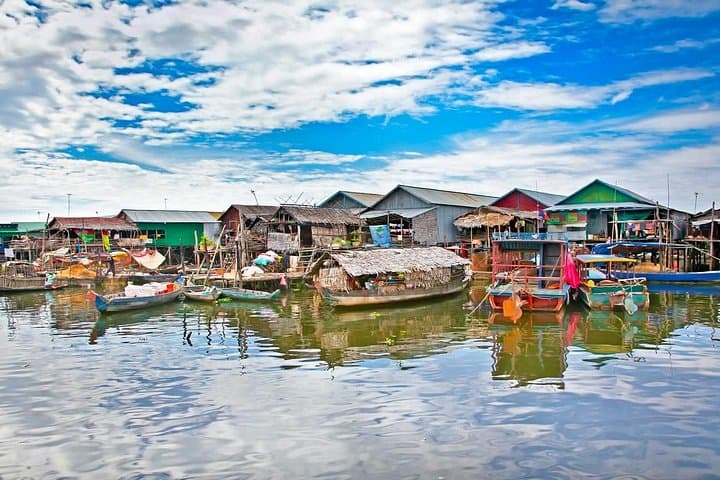
On day two the perspective shifts to water: Tonle Sap’s pulse swells in the rainy season, flooding forests and lifting entire villages onto stilts. A private boat through Kampong Khleang exposes stilted houses, floating markets and the practical choreography of life on water.
Practical edge: this is a walking and light-scrambling itinerary—expect uneven stone, many steps, and 1.5–2 hour boat legs. Angkor passes and some temple entrance fees are not included; bring cash, dress modestly for religious sites and start early to avoid heat and crowds. Wear grippy shoes, carry water and insect repellent, and give yourself time between sites—these ruins reward slow attention, not a rushed checklist.
No, entrance to Angkor Archaeological Park and many temple gates is usually not included—purchase an Angkor pass separately before arrival.
Expect multiple hours of walking each day, several steep temple staircases and some light scrambling at Beng Mealea and Ta Prohm; moderate fitness is recommended.
Water levels peak during the rainy season (roughly June–October), expanding the flooded landscapes; the dry season (Nov–Apr) offers more exposed stilt villages and easier docking.
Yes, but infants are typically required to sit on an adult’s lap during transport and boat rides; consider heat, long drives and uneven walking when traveling with small children.
Siem Reap Experience operates guided outdoor trips and adventures with an emphasis on safety, stewardship, and memorable experiences.
Before first light you stand at the wideReflecting pool as mist peels off the moat and Angkor Wat’s silhouette sharpens against a pale sky. The temple’s bas-reliefs awaken with color as the sun climbs; later, roots and stone at Ta Prohm press together like old friends keeping secrets.
Before first light you stand at the wideReflecting pool as mist peels off the moat and Angkor Wat’s silhouette sharpens against a pale sky. The temple’s bas-reliefs awaken with color as the sun climbs; later, roots and stone at Ta Prohm press together like old friends keeping secrets.
Built in the early 12th century under King Suryavarman II, Angkor Wat is a sandstone complex raised on laterite foundations—an engineering and artistic hallmark of the Khmer Empire. Bayon’s carved faces and the tree-embraced galleries of Ta Prohm show both deliberate design and centuries of natural reclamation. Beng Mealea, roughly 70 km northeast, keeps that explorer’s feeling: collapsed galleries, mossed blocks and scramble-ready ruins that are quieter than the core sites.
On day two the perspective shifts to water: Tonle Sap’s pulse swells in the rainy season, flooding forests and lifting entire villages onto stilts. A private boat through Kampong Khleang exposes stilted houses, floating markets and the practical choreography of life on water.
Practical edge: this is a walking and light-scrambling itinerary—expect uneven stone, many steps, and 1.5–2 hour boat legs. Angkor passes and some temple entrance fees are not included; bring cash, dress modestly for religious sites and start early to avoid heat and crowds. Wear grippy shoes, carry water and insect repellent, and give yourself time between sites—these ruins reward slow attention, not a rushed checklist.