THE ADVENTURE COLLECTIVE® · Independent discovery and booking for outdoor travel

Experience sunrise at Angkor Wat and explore Angkor Thom, Ta Prohm and lesser-known temples on a private two-day tour. Flexible pacing, an English-speaking guide, and private transport let you time sunrise and sunset for the best light.
Experience sunrise at Angkor Wat and explore Angkor Thom, Ta Prohm and lesser-known temples on a private two-day tour. Flexible pacing, an English-speaking guide, and private transport let you time sunrise and sunset for the best light.
Dawn creeps across the moated reflection pool at Angkor Wat, and the silhouette of towers sharpens as the world wakes in a wash of gold. On a private two-day tour you move deliberately through carved galleries and shaded causeways—sunrise at Angkor Wat, the stone faces of Bayon, the root-claimed chambers of Ta Prohm—each moment paced to your party rather than a group schedule.
Verified experiences and guided adventures in the surrounding area.
Operated by Private Angkor Wat Tour · Siem Reap, Siem Reap Province
Dawn creeps across the moated reflection pool at Angkor Wat, and the silhouette of towers sharpens as the world wakes in a wash of gold. On a private two-day tour you move deliberately through carved galleries and shaded causeways—sunrise at Angkor Wat, the stone faces of Bayon, the root-claimed chambers of Ta Prohm—each moment paced to your party rather than a group schedule.
These temples are products of the Khmer Empire (9th–15th centuries), built from sandstone and laterite. Geologically the region sits on flat alluvial plains; many structures survive because of careful stone carving and dense tropical growth that both protects and erodes. Culturally, Angkor remains a living symbol for Cambodia—temples are religious sites, restoration is ongoing, and visits support local guides and conservation programs.
Practical guidance: start before sunrise to avoid heat and crowds, and plan for uneven steps and dirt paths—comfortable shoes and a hat matter more than a fancy camera. Bring Cambodian riel or dollars for temple tickets, water, and tips; guides typically handle logistics like ticketing and routes. Expect warm days and sudden rain in monsoon months; a lightweight rain shell keeps you moving. Respect temple rules—no climbing on carvings, cover shoulders and knees at sacred sites, and follow your guide’s route. This private format means flexible timing: use it to linger at quieter sites like Neak Pean or to climb Pre Rup for sunset. With modest fitness and sensible gear, the tour is an accessible, richly textured encounter with one of Southeast Asia’s most impressive archaeological landscapes.
Your guide can purchase the multi-day Angkor pass on day one, but confirm this ahead of time; have cash or card ready for the official ticket booth if you prefer to buy it yourself.
Many sites have uneven steps and narrow passages; some areas are reachable via level paths but the tour isn’t fully wheelchair-accessible—notify the operator of mobility needs when booking.
Cool, dry months (November–February) offer milder mornings and clearer skies; however, sunrise views are spectacular year-round if you plan early starts.
The tour includes bottled water; meal arrangements vary—confirm whether lunches are included or if the guide will recommend local restaurants during breaks.
Private Angkor Wat Tour operates guided outdoor trips and adventures with an emphasis on safety, stewardship, and memorable experiences.
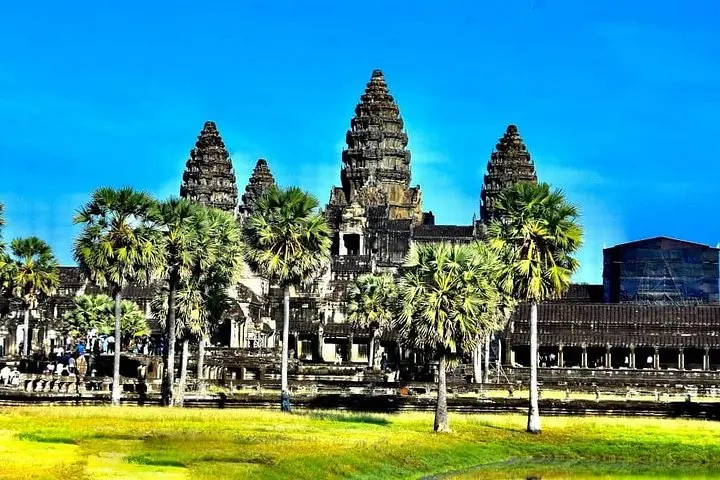
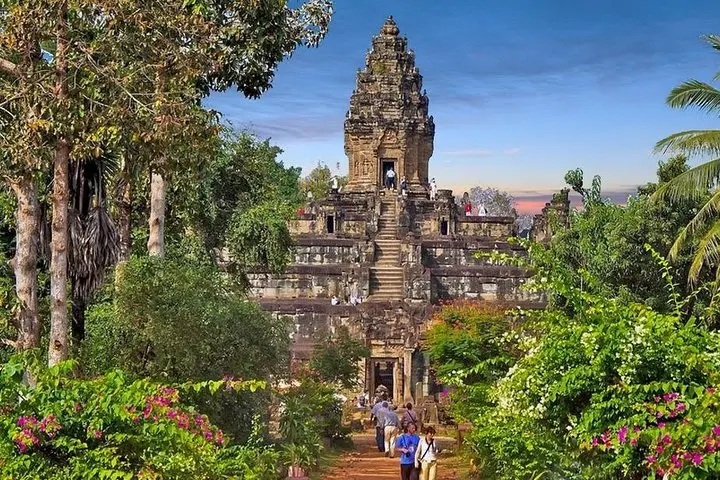
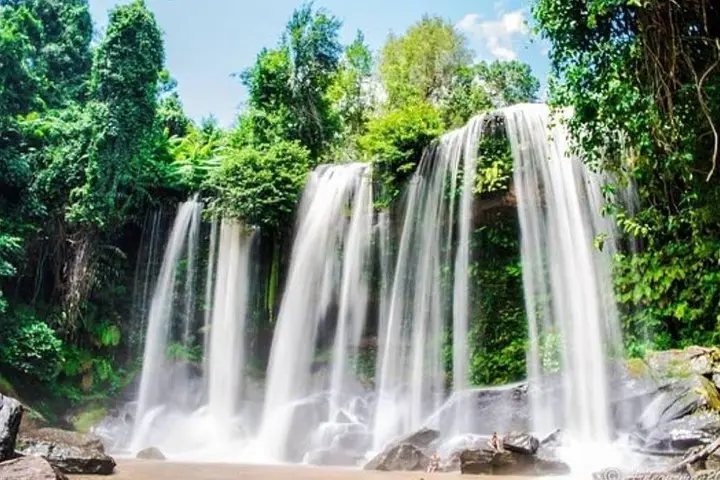
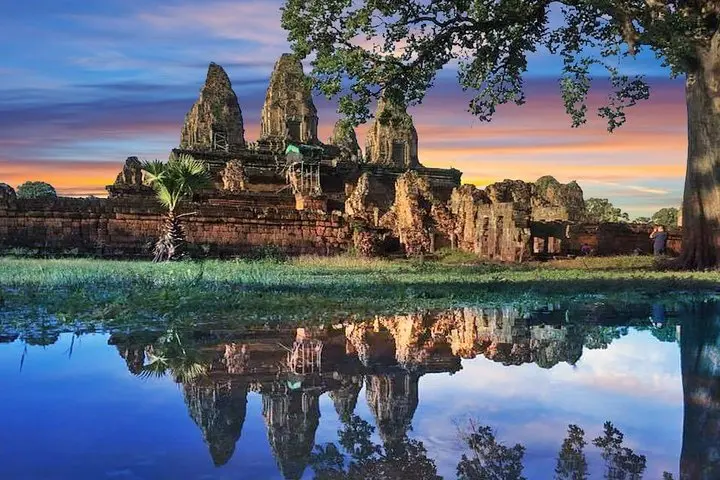
Dawn creeps across the moated reflection pool at Angkor Wat, and the silhouette of towers sharpens as the world wakes in a wash of gold. On a private two-day tour you move deliberately through carved galleries and shaded causeways—sunrise at Angkor Wat, the stone faces of Bayon, the root-claimed chambers of Ta Prohm—each moment paced to your party rather than a group schedule.
Dawn creeps across the moated reflection pool at Angkor Wat, and the silhouette of towers sharpens as the world wakes in a wash of gold. On a private two-day tour you move deliberately through carved galleries and shaded causeways—sunrise at Angkor Wat, the stone faces of Bayon, the root-claimed chambers of Ta Prohm—each moment paced to your party rather than a group schedule.
These temples are products of the Khmer Empire (9th–15th centuries), built from sandstone and laterite. Geologically the region sits on flat alluvial plains; many structures survive because of careful stone carving and dense tropical growth that both protects and erodes. Culturally, Angkor remains a living symbol for Cambodia—temples are religious sites, restoration is ongoing, and visits support local guides and conservation programs.
Practical guidance: start before sunrise to avoid heat and crowds, and plan for uneven steps and dirt paths—comfortable shoes and a hat matter more than a fancy camera. Bring Cambodian riel or dollars for temple tickets, water, and tips; guides typically handle logistics like ticketing and routes. Expect warm days and sudden rain in monsoon months; a lightweight rain shell keeps you moving. Respect temple rules—no climbing on carvings, cover shoulders and knees at sacred sites, and follow your guide’s route. This private format means flexible timing: use it to linger at quieter sites like Neak Pean or to climb Pre Rup for sunset. With modest fitness and sensible gear, the tour is an accessible, richly textured encounter with one of Southeast Asia’s most impressive archaeological landscapes.