THE ADVENTURE COLLECTIVE® · Independent discovery and booking for outdoor travel

See Cairo’s headline sights—Giza’s pyramids, Saqqara’s Step Pyramid, Dahshur’s Red and Bent Pyramids, and the Egyptian Museum—on a private two-day tour with airport transfers and an Egyptologist guide.
See Cairo’s headline sights—Giza’s pyramids, Saqqara’s Step Pyramid, Dahshur’s Red and Bent Pyramids, and the Egyptian Museum—on a private two-day tour with airport transfers and an Egyptologist guide.
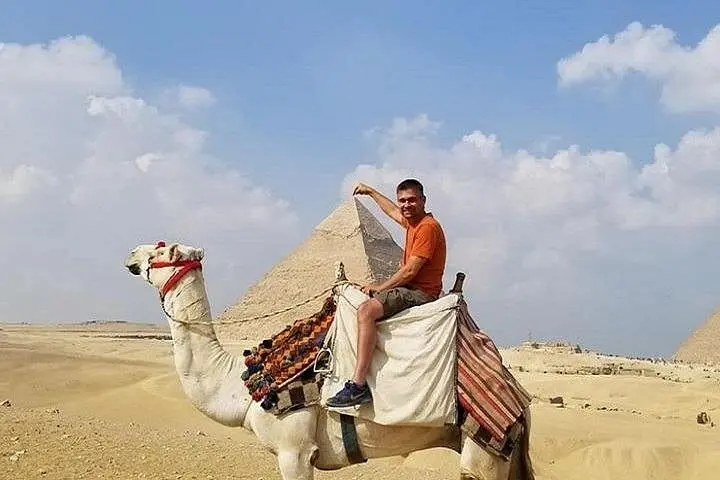
You step out of Cairo International into a heat-stung morning; the driver holds a sign and the city’s pulse moves around you. Minutes later the skyline gives way to sand, and the Great Pyramids pierce the horizon — sheer blocks of limestone that still refuse to look small.
Verified experiences and guided adventures in the surrounding area.
Operated by Egypt Gift Tours · Cairo, Cairo
You step out of Cairo International into a heat-stung morning; the driver holds a sign and the city’s pulse moves around you. Minutes later the skyline gives way to sand, and the Great Pyramids pierce the horizon — sheer blocks of limestone that still refuse to look small.
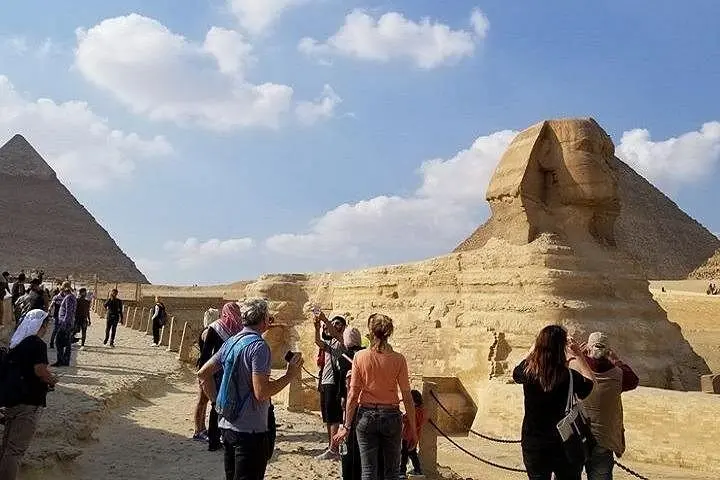
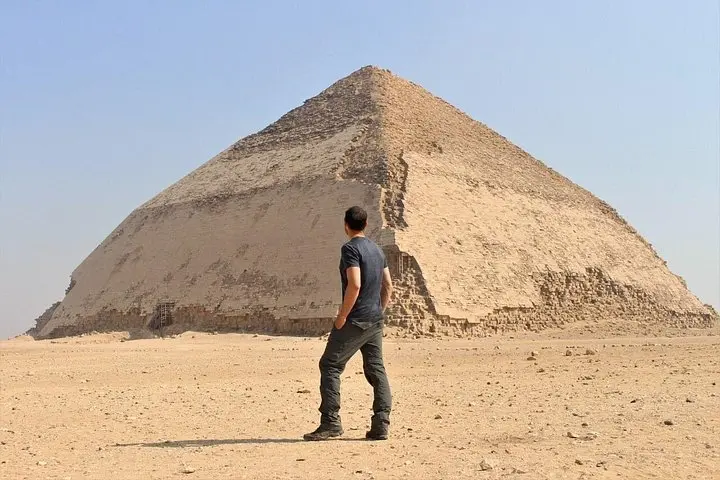
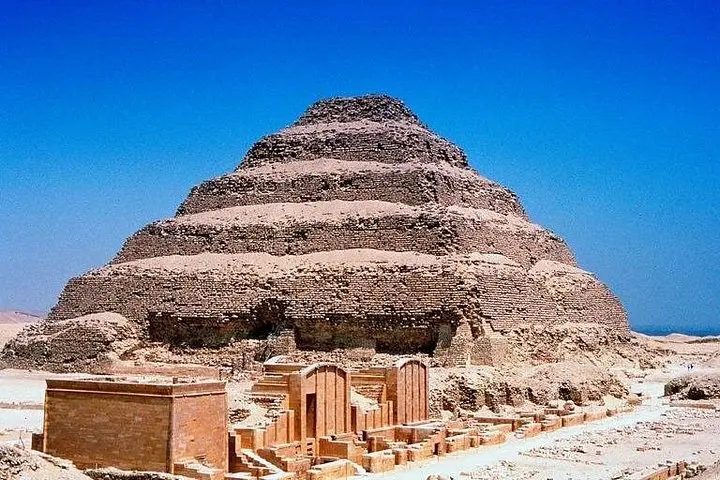
This two-day private itinerary threads modern Cairo with three millennia of history. On day one the Giza Plateau and the Sphinx introduce Old Kingdom engineering; Saqqara’s Step Pyramid shows the earlier experimental phase of stone construction; Dahshur’s Bent and Red Pyramids reveal Sneferu’s evolutionary leaps. Day two shifts to the Egyptian Museum’s New Kingdom treasures — Tutankhamun’s funerary pieces and royal statuary — then up to Saladin’s Citadel and the Ottoman-era Mohammed Ali Mosque, followed by the sensory surge of Khan al-Khalili bazaar.
Geologically, the sites sit on Pleistocene limestone and desert sands that both preserved and eroded monuments over millennia. Culturally, expect layered narratives: Pharaonic ritual, medieval military architecture, and contemporary Cairene commerce coexisting in a tight urban sprawl.
Practical edge: entrance fees to sites are paid on-site (card accepted); mornings are best to avoid heat and crowds. Wear supportive walking shoes for uneven stone and desert paths, bring a sun hat and at least 2 liters of water per person for long outdoor stretches, and carry a lightweight scarf for mosque visits. Communication is smooth with an English-speaking Egyptologist guide, and airport pickup/drop-off is included — confirm flight details in advance.
No — entrance fees to museums and archaeological sites are paid on-site; most accept cards but bring some local currency as backup.
Yes — complimentary pick-up and drop-off at Cairo International Airport are included; provide flight details at booking.
Yes — the itinerary is paced for mixed abilities and listed as physically easy, though expect walking over uneven ground at archaeological sites.
Some pyramids have interior access subject to additional fees and limited availability; your guide can advise and arrange if available.
Egypt Gift Tours operates guided outdoor trips and adventures with an emphasis on safety, stewardship, and memorable experiences.
You step out of Cairo International into a heat-stung morning; the driver holds a sign and the city’s pulse moves around you. Minutes later the skyline gives way to sand, and the Great Pyramids pierce the horizon — sheer blocks of limestone that still refuse to look small.
You step out of Cairo International into a heat-stung morning; the driver holds a sign and the city’s pulse moves around you. Minutes later the skyline gives way to sand, and the Great Pyramids pierce the horizon — sheer blocks of limestone that still refuse to look small.
This two-day private itinerary threads modern Cairo with three millennia of history. On day one the Giza Plateau and the Sphinx introduce Old Kingdom engineering; Saqqara’s Step Pyramid shows the earlier experimental phase of stone construction; Dahshur’s Bent and Red Pyramids reveal Sneferu’s evolutionary leaps. Day two shifts to the Egyptian Museum’s New Kingdom treasures — Tutankhamun’s funerary pieces and royal statuary — then up to Saladin’s Citadel and the Ottoman-era Mohammed Ali Mosque, followed by the sensory surge of Khan al-Khalili bazaar.
Geologically, the sites sit on Pleistocene limestone and desert sands that both preserved and eroded monuments over millennia. Culturally, expect layered narratives: Pharaonic ritual, medieval military architecture, and contemporary Cairene commerce coexisting in a tight urban sprawl.
Practical edge: entrance fees to sites are paid on-site (card accepted); mornings are best to avoid heat and crowds. Wear supportive walking shoes for uneven stone and desert paths, bring a sun hat and at least 2 liters of water per person for long outdoor stretches, and carry a lightweight scarf for mosque visits. Communication is smooth with an English-speaking Egyptologist guide, and airport pickup/drop-off is included — confirm flight details in advance.