THE ADVENTURE COLLECTIVE® · Independent discovery and booking for outdoor travel

Make Chengdu’s soft heat, panda play and the thunderous gaze of the Leshan Giant Buddha the anchors of a two-day private trip by bullet train from Chongqing. This itinerary pairs wildlife conservation with Tang‑era stone carving and local urban culture, all on a flexible, private schedule.
Make Chengdu’s soft heat, panda play and the thunderous gaze of the Leshan Giant Buddha the anchors of a two-day private trip by bullet train from Chongqing. This itinerary pairs wildlife conservation with Tang‑era stone carving and local urban culture, all on a flexible, private schedule.
You step off the bullet train and Chengdu’s pace presses in: humid air, scooters threading between old stone lanes and the distant hum of the city. Your private guide waits with a nameboard, and within an hour you can be watching panda cubs tumble or standing beneath the carved brow of a 71‑meter Buddha as rivers conspire below.
Verified experiences and guided adventures in the surrounding area.
Operated by Unique Beijing Tours · Chengdu, Sichuan
You step off the bullet train and Chengdu’s pace presses in: humid air, scooters threading between old stone lanes and the distant hum of the city. Your private guide waits with a nameboard, and within an hour you can be watching panda cubs tumble or standing beneath the carved brow of a 71‑meter Buddha as rivers conspire below.
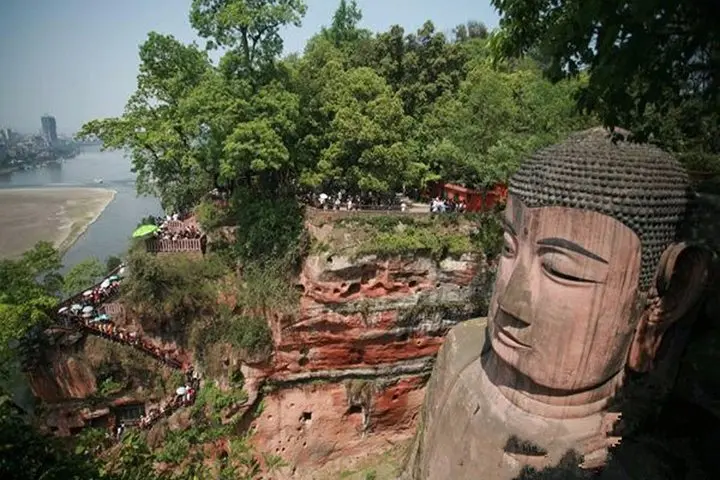
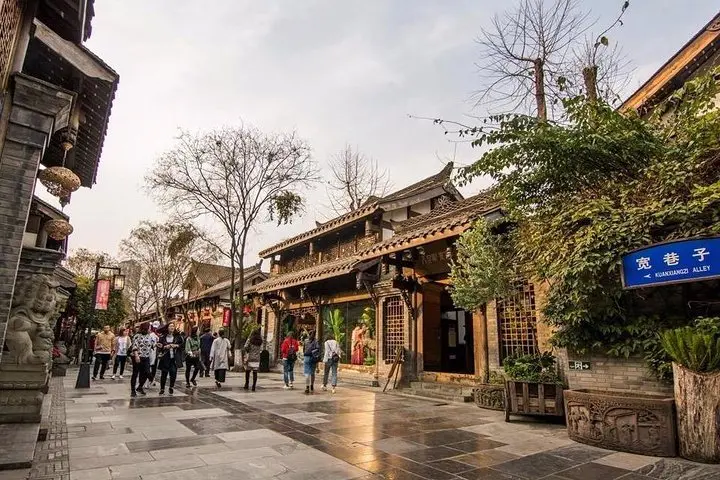
The route links two different histories. Chengdu, at the heart of the fertile Sichuan Basin, has been a regional capital since the Shu kingdoms; its tea houses and alleyways are living chapters of local urban life. Two hours away, the Leshan Giant Buddha was carved into red sandstone between 713 and 803 CE, a monumental response to geological forces where three rivers meet and sculpted the riverbanks that make the statue’s base both visible and vulnerable.
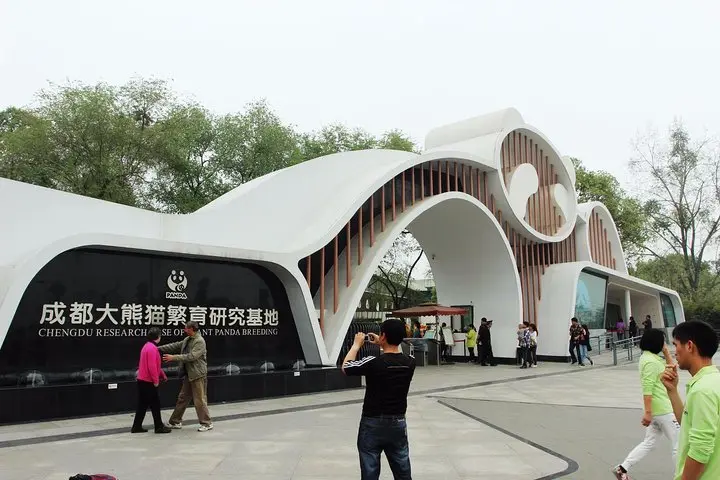
Culturally the trip balances modern city comforts with religious sites and wildlife conservation. The Giant Panda Breeding Base highlights captive-care science and rewilding efforts; nearby temples show Tang and later dynastic art. Expect afternoons in courtyards and mornings timed for animal activity.
Practicalities: plan to arrive early at the panda base for the most active viewing, and reserve a river cruise at Leshan if stairs or crowds are a concern. Carry your passport for train checks, a light rain layer for sudden showers, and comfortable shoes for stone steps and temple grounds. With a private vehicle, the day is flexible—use it to swap a crowded temple visit for a quieter tea house and match timing to light for better photos.
Yes — foreign travelers are required to present a passport or valid ID when boarding Chinese high‑speed trains.
Early morning, typically at opening, is when pandas are most active and likely to be seen eating and playing.
Viewing areas involve multiple stone steps and uneven surfaces; a river cruise offers a low‑effort alternative for panoramic photos.
Yes — the itinerary allows you to finish the trip in Chengdu or return to Chongqing; specify your preference when booking.
Unique Beijing Tours operates guided outdoor trips and adventures with an emphasis on safety, stewardship, and memorable experiences.

You step off the bullet train and Chengdu’s pace presses in: humid air, scooters threading between old stone lanes and the distant hum of the city. Your private guide waits with a nameboard, and within an hour you can be watching panda cubs tumble or standing beneath the carved brow of a 71‑meter Buddha as rivers conspire below.
You step off the bullet train and Chengdu’s pace presses in: humid air, scooters threading between old stone lanes and the distant hum of the city. Your private guide waits with a nameboard, and within an hour you can be watching panda cubs tumble or standing beneath the carved brow of a 71‑meter Buddha as rivers conspire below.
The route links two different histories. Chengdu, at the heart of the fertile Sichuan Basin, has been a regional capital since the Shu kingdoms; its tea houses and alleyways are living chapters of local urban life. Two hours away, the Leshan Giant Buddha was carved into red sandstone between 713 and 803 CE, a monumental response to geological forces where three rivers meet and sculpted the riverbanks that make the statue’s base both visible and vulnerable.
Culturally the trip balances modern city comforts with religious sites and wildlife conservation. The Giant Panda Breeding Base highlights captive-care science and rewilding efforts; nearby temples show Tang and later dynastic art. Expect afternoons in courtyards and mornings timed for animal activity.
Practicalities: plan to arrive early at the panda base for the most active viewing, and reserve a river cruise at Leshan if stairs or crowds are a concern. Carry your passport for train checks, a light rain layer for sudden showers, and comfortable shoes for stone steps and temple grounds. With a private vehicle, the day is flexible—use it to swap a crowded temple visit for a quieter tea house and match timing to light for better photos.