THE ADVENTURE COLLECTIVE® · Independent discovery and booking for outdoor travel
A private, two-day itinerary that traces Rapa Nui’s major archaeological sites — from Anakena and Orongo to Rano Raraku and Ahu Tongariki — with an accredited local guide. Expect short walks, geological context, and deep cultural interpretation without the crowds.
A private, two-day itinerary that traces Rapa Nui’s major archaeological sites — from Anakena and Orongo to Rano Raraku and Ahu Tongariki — with an accredited local guide. Expect short walks, geological context, and deep cultural interpretation without the crowds.
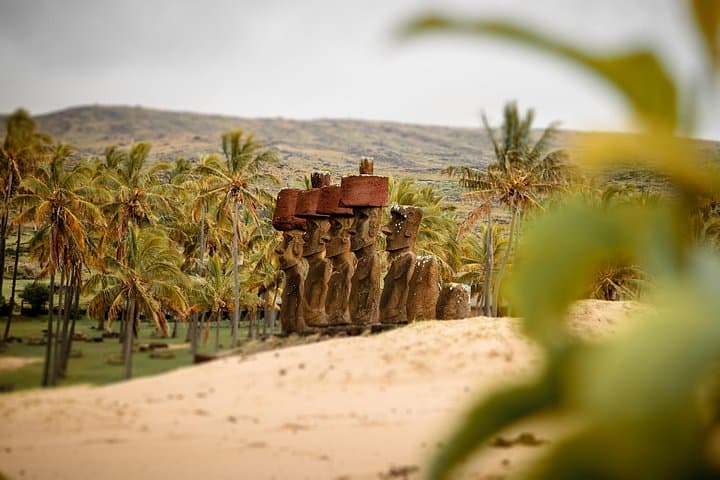
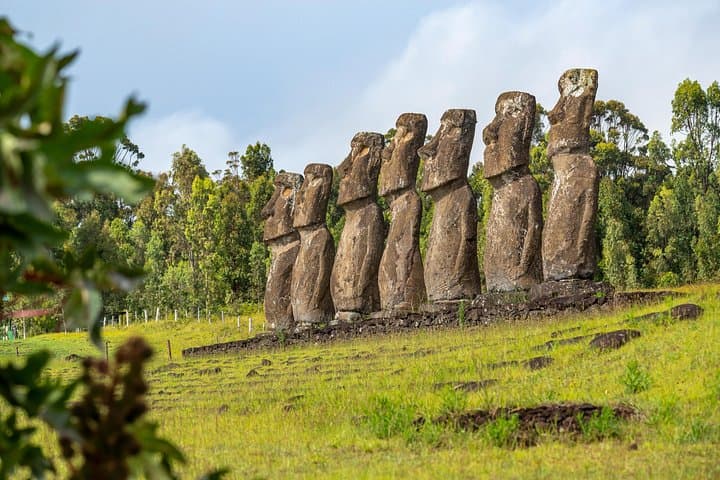
The wind off the Pacific pushes across low, volcanic ridgelines as your private guide opens the gate to a world of carved stone and salted air. On day one you step onto Anakena's pale sand where the Moai watch the ocean; on day two you trace the quarry tracks of Rano Raraku, moving among half-carved figures that still lean out of volcanic tuff. The island feels like someone paused a story in mid-sentence — cliffs, crater lakes, and platforms waiting for interpretation.
Verified experiences and guided adventures in the surrounding area.
Operated by Aroha · Hanga Roa, Valparaíso Region
The wind off the Pacific pushes across low, volcanic ridgelines as your private guide opens the gate to a world of carved stone and salted air. On day one you step onto Anakena's pale sand where the Moai watch the ocean; on day two you trace the quarry tracks of Rano Raraku, moving among half-carved figures that still lean out of volcanic tuff. The island feels like someone paused a story in mid-sentence — cliffs, crater lakes, and platforms waiting for interpretation.
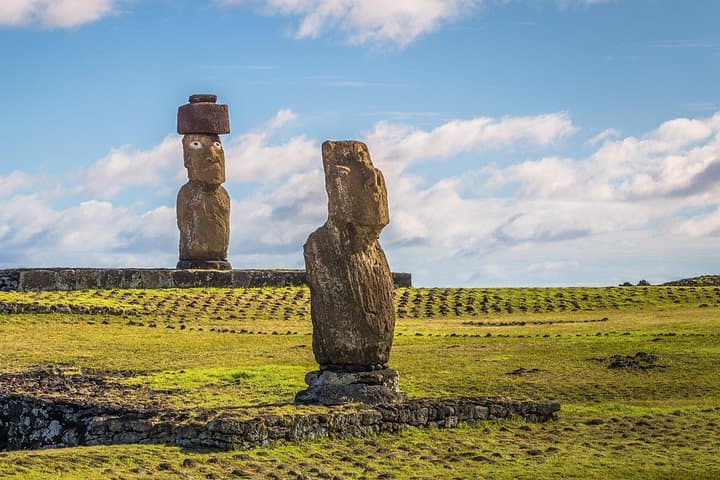
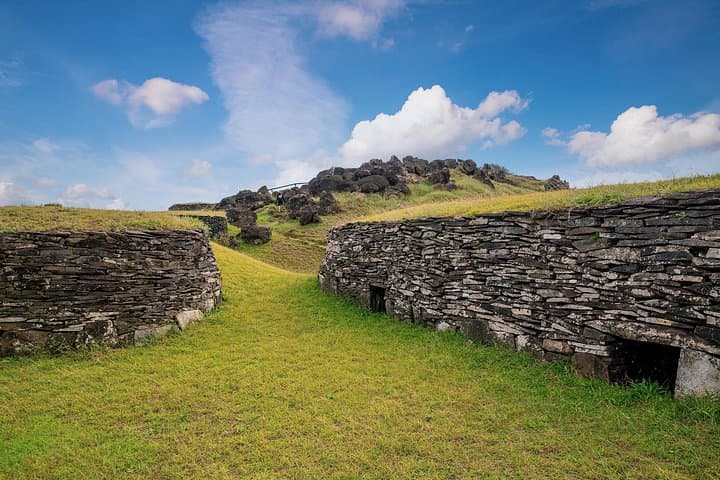
Easter Island (Rapa Nui) records human ingenuity on a compact stage: a Polynesian settlement with distinct cultural phases visible in village layouts, ahu construction, and carving styles. Geology is immediate — tuff, basalt, and red scoria from Puna Pau explain the materials and methods behind the pukao headdresses. Sites like Orongo reveal ritual shifts (the Tangata Manu birdman rites) while Vinapu and Tahai show advanced stonework and restored platforms.
Culturally, local guides connect legends, clan histories, and the practical logistics of moving multi-ton statues across rough ground. Expect terse winds, salt-scrubbed vegetation, and coastal birds that seem to time your pauses.
Practical guidance: the two-day private format delivers hotel pickup, air-conditioned transport, and short guided walks at each archaeological stop. Wear sturdy shoes for uneven ahu and crater edges; bring sun protection and a light windproof layer. Hydrate between stops — island services are limited — and allow time for slow photography at key viewpoints. Respect marked areas, follow your guide’s instructions, and plan accommodations in Hanga Roa the night before arrival to maximize morning light and small-group access.
Walks at each site are generally short (10–60 minutes), on uneven volcanic terrain; the tour uses a vehicle between points so sustained hiking is minimal.
Yes — the itinerary is rated easy with mostly short walks, but travelers with severe mobility issues should advise the operator beforehand; infants must sit on laps.
The tour description notes admissions are included for listed sites; confirm specifics with the operator when booking.
An accredited local guide accompanies the tour — confirm your preferred language at booking to ensure availability.
Aroha operates guided outdoor trips and adventures with an emphasis on safety, stewardship, and memorable experiences.
The wind off the Pacific pushes across low, volcanic ridgelines as your private guide opens the gate to a world of carved stone and salted air. On day one you step onto Anakena's pale sand where the Moai watch the ocean; on day two you trace the quarry tracks of Rano Raraku, moving among half-carved figures that still lean out of volcanic tuff. The island feels like someone paused a story in mid-sentence — cliffs, crater lakes, and platforms waiting for interpretation.
The wind off the Pacific pushes across low, volcanic ridgelines as your private guide opens the gate to a world of carved stone and salted air. On day one you step onto Anakena's pale sand where the Moai watch the ocean; on day two you trace the quarry tracks of Rano Raraku, moving among half-carved figures that still lean out of volcanic tuff. The island feels like someone paused a story in mid-sentence — cliffs, crater lakes, and platforms waiting for interpretation.
Easter Island (Rapa Nui) records human ingenuity on a compact stage: a Polynesian settlement with distinct cultural phases visible in village layouts, ahu construction, and carving styles. Geology is immediate — tuff, basalt, and red scoria from Puna Pau explain the materials and methods behind the pukao headdresses. Sites like Orongo reveal ritual shifts (the Tangata Manu birdman rites) while Vinapu and Tahai show advanced stonework and restored platforms.
Culturally, local guides connect legends, clan histories, and the practical logistics of moving multi-ton statues across rough ground. Expect terse winds, salt-scrubbed vegetation, and coastal birds that seem to time your pauses.
Practical guidance: the two-day private format delivers hotel pickup, air-conditioned transport, and short guided walks at each archaeological stop. Wear sturdy shoes for uneven ahu and crater edges; bring sun protection and a light windproof layer. Hydrate between stops — island services are limited — and allow time for slow photography at key viewpoints. Respect marked areas, follow your guide’s instructions, and plan accommodations in Hanga Roa the night before arrival to maximize morning light and small-group access.
