THE ADVENTURE COLLECTIVE® · Independent discovery and booking for outdoor travel

Two days of Harbin’s winter spectacle: Sun Island snow sculptures, Harbin Ice and Snow World with colored lighting, a ropeway across Songhua River and historic St. Sophia Cathedral. This private tour includes flights, a guide, entrance fees and optional 4-star lodging.
Two days of Harbin’s winter spectacle: Sun Island snow sculptures, Harbin Ice and Snow World with colored lighting, a ropeway across Songhua River and historic St. Sophia Cathedral. This private tour includes flights, a guide, entrance fees and optional 4-star lodging.
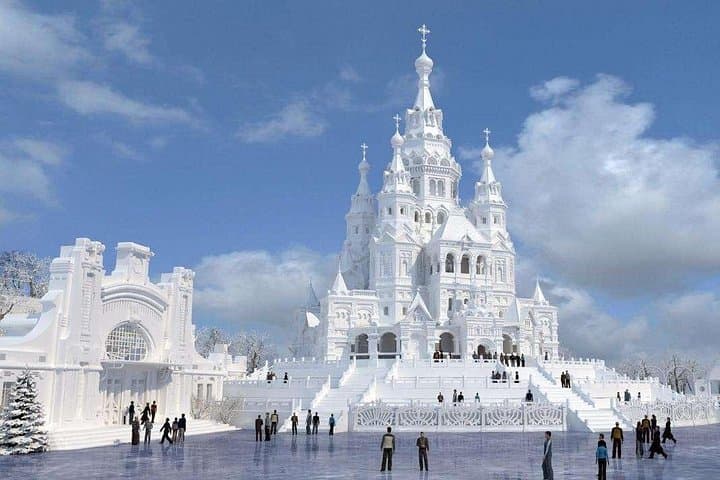
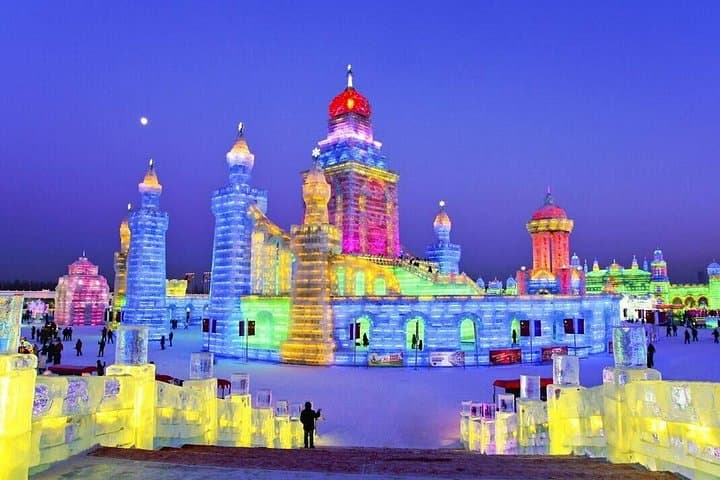
Cold air bites and light blooms across slabs of carved ice as you step from the Harbin airport into a city shaped by winter. Over two days a private guide leads you from Sun Island’s snow sculptures to the neon-lit halls of Harbin Ice and Snow World, with a ropeway crossing Songhua River that offers a 360° view of an urban river frozen into ridged glass.
Verified experiences and guided adventures in the surrounding area.
Operated by Unique Beijing Tours · Harbin, Heilongjiang
Cold air bites and light blooms across slabs of carved ice as you step from the Harbin airport into a city shaped by winter. Over two days a private guide leads you from Sun Island’s snow sculptures to the neon-lit halls of Harbin Ice and Snow World, with a ropeway crossing Songhua River that offers a 360° view of an urban river frozen into ridged glass.
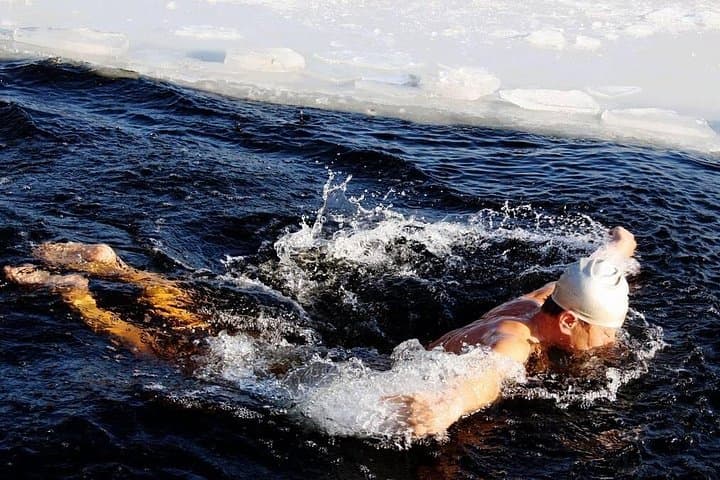
Harbin’s streets carry Russian-era bones: St. Sophia Cathedral’s onion dome speaks to the city’s turn-of-the-century boom when the Chinese Eastern Railway stitched Manchuria to Siberia and Europe. The Ice and Snow Festival grew from local folk ice-carving into an international showcase of scale and light; the temporary architecture depends on extended subzero temperatures and skilled refrigeration. On Day Two, watch winter swimming at Jiuzhan Park and walk Zhongyang Pedestrian Street for early-20th-century façades and local snacks.
Practical notes: the tour includes economy plane tickets (the itinerary lists a 4.5-hour flight), entrance fees, a private vehicle and English guide, and options for a 4-star twin room. Expect extended outdoor exposure—temperatures can fall below −20°C in peak winter—so plan heavy insulated layers, waterproof boots and multiple battery sources for cameras. Timing your visit around late December to February gives the best ice-sculpture conditions and nightly light shows. Keep flexible with the guide: crowds, lighting schedules and weather can shift order of visits. For travelers from Nanjing, this is a compact, high-impact winter city experience combining culture, engineered ice spectacle and straightforward logistics.
The itinerary lists an approximate 4.5-hour flight; exact flight time depends on the carrier and routing.
Yes — the operator notes the tour is stroller-accessible and suitable for all fitness levels; infants must sit on an adult’s lap for flights.
Yes — this is a private tour and the guide will discuss priorities; weather and attraction hours may require order changes.
China uses the yuan (CNY); carry small bills for market purchases. Tipping is not traditionally required but appreciated for private guides and drivers.
Unique Beijing Tours operates guided outdoor trips and adventures with an emphasis on safety, stewardship, and memorable experiences.

Cold air bites and light blooms across slabs of carved ice as you step from the Harbin airport into a city shaped by winter. Over two days a private guide leads you from Sun Island’s snow sculptures to the neon-lit halls of Harbin Ice and Snow World, with a ropeway crossing Songhua River that offers a 360° view of an urban river frozen into ridged glass.
Cold air bites and light blooms across slabs of carved ice as you step from the Harbin airport into a city shaped by winter. Over two days a private guide leads you from Sun Island’s snow sculptures to the neon-lit halls of Harbin Ice and Snow World, with a ropeway crossing Songhua River that offers a 360° view of an urban river frozen into ridged glass.
Harbin’s streets carry Russian-era bones: St. Sophia Cathedral’s onion dome speaks to the city’s turn-of-the-century boom when the Chinese Eastern Railway stitched Manchuria to Siberia and Europe. The Ice and Snow Festival grew from local folk ice-carving into an international showcase of scale and light; the temporary architecture depends on extended subzero temperatures and skilled refrigeration. On Day Two, watch winter swimming at Jiuzhan Park and walk Zhongyang Pedestrian Street for early-20th-century façades and local snacks.
Practical notes: the tour includes economy plane tickets (the itinerary lists a 4.5-hour flight), entrance fees, a private vehicle and English guide, and options for a 4-star twin room. Expect extended outdoor exposure—temperatures can fall below −20°C in peak winter—so plan heavy insulated layers, waterproof boots and multiple battery sources for cameras. Timing your visit around late December to February gives the best ice-sculpture conditions and nightly light shows. Keep flexible with the guide: crowds, lighting schedules and weather can shift order of visits. For travelers from Nanjing, this is a compact, high-impact winter city experience combining culture, engineered ice spectacle and straightforward logistics.