THE ADVENTURE COLLECTIVE® · Independent discovery and booking for outdoor travel

A compact two-day itinerary that maximizes tiger sighting opportunities with morning and afternoon safaris from Jaipur. Expect rugged terrain, professional naturalists, and flexible zone-based game drives — sightings not guaranteed but every drive promises wild moments.
A compact two-day itinerary that maximizes tiger sighting opportunities with morning and afternoon safaris from Jaipur. Expect rugged terrain, professional naturalists, and flexible zone-based game drives — sightings not guaranteed but every drive promises wild moments.
Dawn breaks over dry deciduous forest as your private vehicle leaves Jaipur’s pink city behind and the road narrows toward Ranthambhore. The first safari of the afternoon finds jeeps threading between granite outcrops and shallow riverbeds; birds call from acacia and peepal trees while waterholes draw sambar and nilgai that seem to measure the day by their movements. The forest doesn’t sit still — it nudges you into alertness.
Verified experiences and guided adventures in the surrounding area.
Operated by Pacific Classic Tours India · Sawai Madhopur, Rajasthan
Dawn breaks over dry deciduous forest as your private vehicle leaves Jaipur’s pink city behind and the road narrows toward Ranthambhore. The first safari of the afternoon finds jeeps threading between granite outcrops and shallow riverbeds; birds call from acacia and peepal trees while waterholes draw sambar and nilgai that seem to measure the day by their movements. The forest doesn’t sit still — it nudges you into alertness.
Ranthambhore was once the Maharaja of Jaipur’s royal hunting ground and later became one of India’s first major tiger reserves. The terrain is carved from Vindhyan-era rock, with ancient fort ruins perched on ridgelines that catch the last light. Local villages around Sawai Madhopur maintain timber- and cattle-based livelihoods; small resorts and forest lodges now balance hospitality with wildlife tourism.
Practically, the tour runs over two days with morning and afternoon 3-hour safaris in shared jeeps or canters — the schedule doubles your chance at sighting a tiger while also giving time to scan grasslands and rocky ledges. Zones rotate by permit, and from July–September many central zones close for monsoon regeneration. Bring neutral-colored layers for cold mornings and hot afternoons, binoculars and a camera with a tele lens, and expect uneven ride surfaces. Guides are professional naturalists who read animal sign and light, but sightings aren’t guaranteed — wildlife moves on its own timetable. Passports and reservation details are required at booking; choose your accommodation option (4- or 5-star or room-only) to match comfort needs. If you go, plan for early starts, respectful behavior around wildlife, and time to savor the silence between drives.
No — Ranthambhore is a working ecosystem and sightings depend on animal movements; morning and evening safaris improve odds but never guarantee a sighting.
October–June offer the most reliable viewing (dry months concentrate animals at waterholes); July–September is monsoon season when some central zones close for regeneration.
Yes — passport details are required at booking and you must carry a valid passport on the day of travel for park and vehicle documentation.
You may request zones in advance but allocation depends on permits and availability; inform your operator early if you have a preference.
Pacific Classic Tours India operates guided outdoor trips and adventures with an emphasis on safety, stewardship, and memorable experiences.
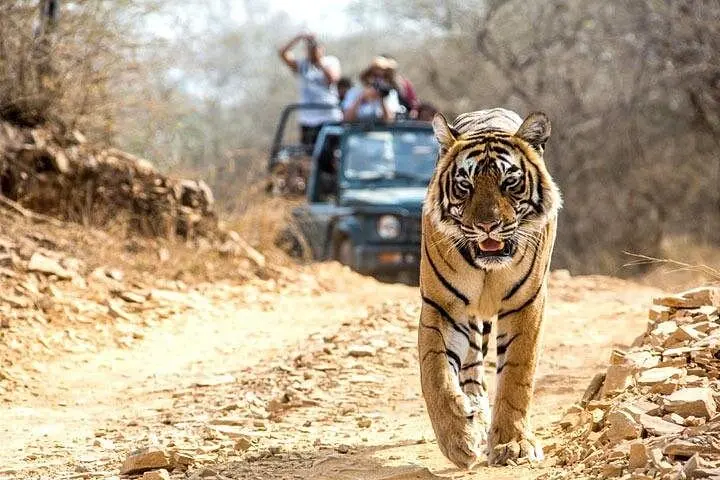
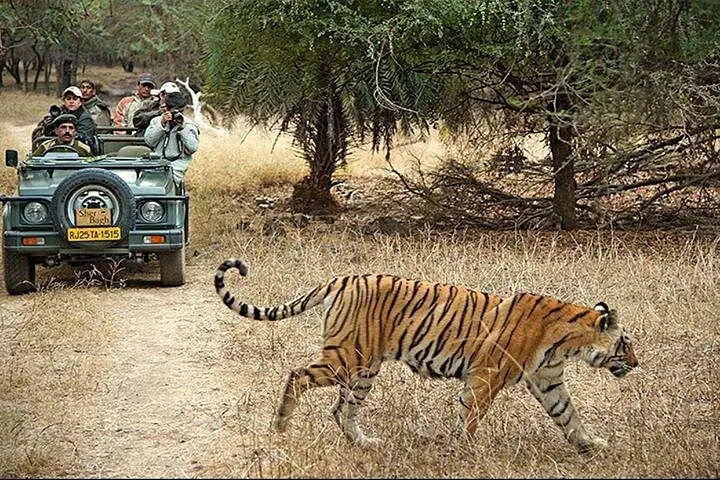
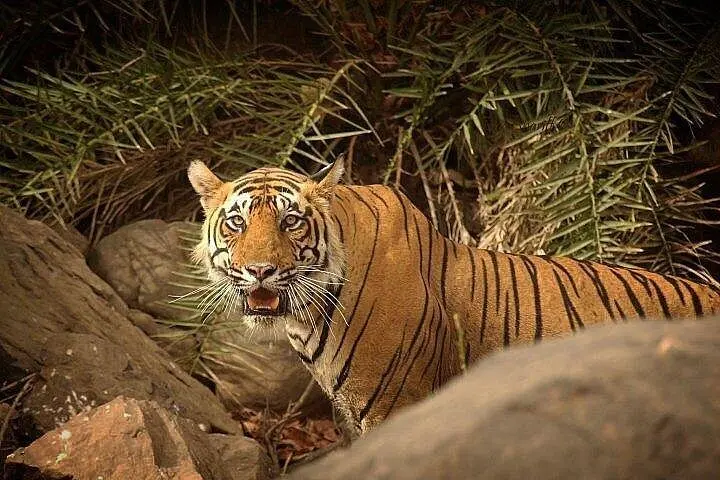
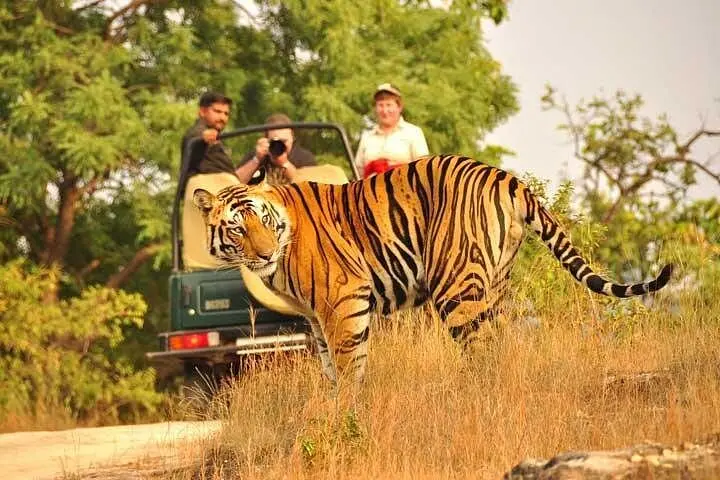
Dawn breaks over dry deciduous forest as your private vehicle leaves Jaipur’s pink city behind and the road narrows toward Ranthambhore. The first safari of the afternoon finds jeeps threading between granite outcrops and shallow riverbeds; birds call from acacia and peepal trees while waterholes draw sambar and nilgai that seem to measure the day by their movements. The forest doesn’t sit still — it nudges you into alertness.
Dawn breaks over dry deciduous forest as your private vehicle leaves Jaipur’s pink city behind and the road narrows toward Ranthambhore. The first safari of the afternoon finds jeeps threading between granite outcrops and shallow riverbeds; birds call from acacia and peepal trees while waterholes draw sambar and nilgai that seem to measure the day by their movements. The forest doesn’t sit still — it nudges you into alertness.
Ranthambhore was once the Maharaja of Jaipur’s royal hunting ground and later became one of India’s first major tiger reserves. The terrain is carved from Vindhyan-era rock, with ancient fort ruins perched on ridgelines that catch the last light. Local villages around Sawai Madhopur maintain timber- and cattle-based livelihoods; small resorts and forest lodges now balance hospitality with wildlife tourism.
Practically, the tour runs over two days with morning and afternoon 3-hour safaris in shared jeeps or canters — the schedule doubles your chance at sighting a tiger while also giving time to scan grasslands and rocky ledges. Zones rotate by permit, and from July–September many central zones close for monsoon regeneration. Bring neutral-colored layers for cold mornings and hot afternoons, binoculars and a camera with a tele lens, and expect uneven ride surfaces. Guides are professional naturalists who read animal sign and light, but sightings aren’t guaranteed — wildlife moves on its own timetable. Passports and reservation details are required at booking; choose your accommodation option (4- or 5-star or room-only) to match comfort needs. If you go, plan for early starts, respectful behavior around wildlife, and time to savor the silence between drives.