THE ADVENTURE COLLECTIVE® · Independent discovery and booking for outdoor travel

Two days of concentrated safari: Tarangire’s elephant-rich plains and the dramatic Ngorongoro Crater offer high-impact wildlife viewing on a private itinerary. Early starts, long game drives and a tented overnight make this a compact, wildlife-focused loop from Arusha.
Two days of concentrated safari: Tarangire’s elephant-rich plains and the dramatic Ngorongoro Crater offer high-impact wildlife viewing on a private itinerary. Early starts, long game drives and a tented overnight make this a compact, wildlife-focused loop from Arusha.
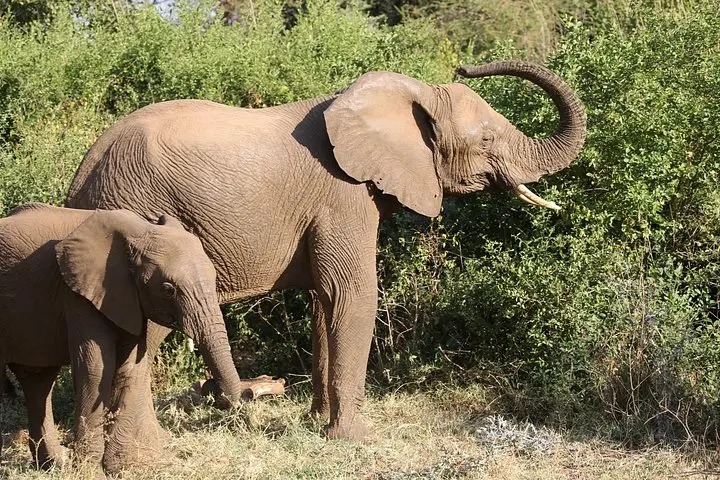
Dawn breaks over red earth and acacia silhouettes as your private Land Cruiser eases onto a game track. The air is dry and bright; elephants move like slow tides through golden grass while the driver-guide scans the horizon with practiced calm.
Verified experiences and guided adventures in the surrounding area.
Operated by SUSTRAV - Sustainable Travels · Arusha, Arusha Region
Dawn breaks over red earth and acacia silhouettes as your private Land Cruiser eases onto a game track. The air is dry and bright; elephants move like slow tides through golden grass while the driver-guide scans the horizon with practiced calm.
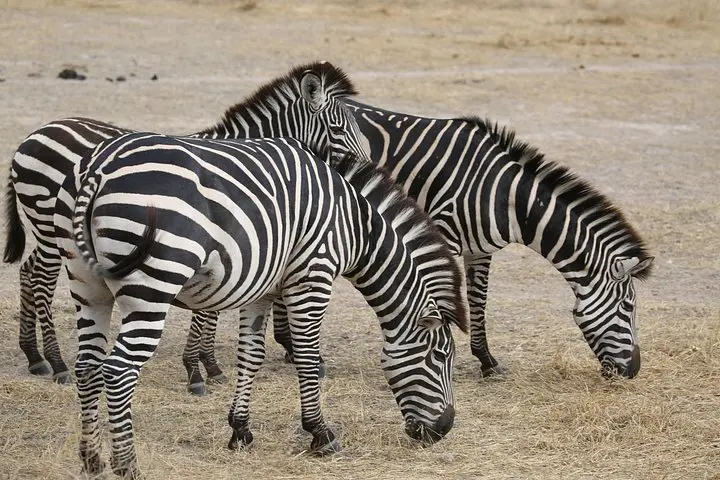
This compact two-day loop pairs Tarangire’s baobab-studded plains and elephant herds with the geological drama of the Ngorongoro Crater — a collapsed supervolcano now hosting one of Africa’s richest concentrations of wildlife. The Maasai pastoralists shape local culture here; their seasonal grazing patterns and beadwork remain visible at village edges along the road to Arusha. Tarangire’s riverine pockets support dense birdlife and occasional tree-climbing pythons, while the crater floor’s volcanic soils draw zebras, wildebeest and predators into a daily theater of survival.
Practical rhythm: expect early starts, long game-drive windows (4–7 hours each day), and unpaved roads that reward a steady vehicle and patient driver. Packing-wise, opt for binoculars, layers for chilly mornings, sun protection and a daypack for camera gear. Hydration is essential—carry reusable bottles—and respect distance rules: predators and elephants can charge if disturbed. Check park access and transfer logistics ahead; entrance fees and lodging arrangements vary by operator.
For travelers seeking high wildlife density in a short window, this private itinerary balances comfort with immersion: comfy safari tents the first night, a full crater day, and return to Arusha by evening two. It’s brisk, focused, and designed around wildlife viewing rather than long hikes.
Drivers typically leave before sunrise (around 5:30–6:00) to catch peak animal activity; exact pickup times are confirmed at booking.
Policies vary by operator—confirm on booking; many packages include park fees but always check your voucher.
Yes—private vehicles and tents accommodate families, but check age and seat rules with the operator; bring appropriate child seating if needed.
Dry months (June–October, January–February) concentrate animals near water and improve road access, though birding and green landscapes during rains (Mar–May, Nov–Dec) have their own appeal.
SUSTRAV - Sustainable Travels operates guided outdoor trips and adventures with an emphasis on safety, stewardship, and memorable experiences.
Dawn breaks over red earth and acacia silhouettes as your private Land Cruiser eases onto a game track. The air is dry and bright; elephants move like slow tides through golden grass while the driver-guide scans the horizon with practiced calm.
Dawn breaks over red earth and acacia silhouettes as your private Land Cruiser eases onto a game track. The air is dry and bright; elephants move like slow tides through golden grass while the driver-guide scans the horizon with practiced calm.
This compact two-day loop pairs Tarangire’s baobab-studded plains and elephant herds with the geological drama of the Ngorongoro Crater — a collapsed supervolcano now hosting one of Africa’s richest concentrations of wildlife. The Maasai pastoralists shape local culture here; their seasonal grazing patterns and beadwork remain visible at village edges along the road to Arusha. Tarangire’s riverine pockets support dense birdlife and occasional tree-climbing pythons, while the crater floor’s volcanic soils draw zebras, wildebeest and predators into a daily theater of survival.
Practical rhythm: expect early starts, long game-drive windows (4–7 hours each day), and unpaved roads that reward a steady vehicle and patient driver. Packing-wise, opt for binoculars, layers for chilly mornings, sun protection and a daypack for camera gear. Hydration is essential—carry reusable bottles—and respect distance rules: predators and elephants can charge if disturbed. Check park access and transfer logistics ahead; entrance fees and lodging arrangements vary by operator.
For travelers seeking high wildlife density in a short window, this private itinerary balances comfort with immersion: comfy safari tents the first night, a full crater day, and return to Arusha by evening two. It’s brisk, focused, and designed around wildlife viewing rather than long hikes.