THE ADVENTURE COLLECTIVE® · Independent discovery and booking for outdoor travel

Drive from Marrakech across the Atlas to the Sahara, sleep under the stars in a private Berber camp, and take a morning camel ride amid towering dunes. This compact two-day tour mixes UNESCO kasbahs, Sufi heritage, and desert geology into a practical small-group adventure.
Drive from Marrakech across the Atlas to the Sahara, sleep under the stars in a private Berber camp, and take a morning camel ride amid towering dunes. This compact two-day tour mixes UNESCO kasbahs, Sufi heritage, and desert geology into a practical small-group adventure.
You leave Marrakech before dawn, Atlas peaks backlit in blue, and the road unspools through fortified ksour and olive-scrubbed passes. By late afternoon the air shifts—ocher mud-brick villages give way to palm-lined valleys and then to the broad, wind-sculpted slopes of the Sahara. Night arrives here with a clarity the city never shows: a private camp, a small fire, and dunes that push and breathe in the dark.
Verified experiences and guided adventures in the surrounding area.
Operated by WalkWithBerbers-Morocco · Marrakesh, Marrakesh-Safi
You leave Marrakech before dawn, Atlas peaks backlit in blue, and the road unspools through fortified ksour and olive-scrubbed passes. By late afternoon the air shifts—ocher mud-brick villages give way to palm-lined valleys and then to the broad, wind-sculpted slopes of the Sahara. Night arrives here with a clarity the city never shows: a private camp, a small fire, and dunes that push and breathe in the dark.
This two-day itinerary threads history and geology. Ait Ben Haddou, the earthen kasbah recognized by UNESCO, speaks of caravan routes and Saadian-era trade. Tamegroute’s Sufi zawiya and pottery workshops reflect the cultural crossroads along the Draa River. Geologically, the dunes near M'Hamid are composed of transported Saharan sands and seasonal alluvium from the valley—soft underfoot but shifting with the wind.
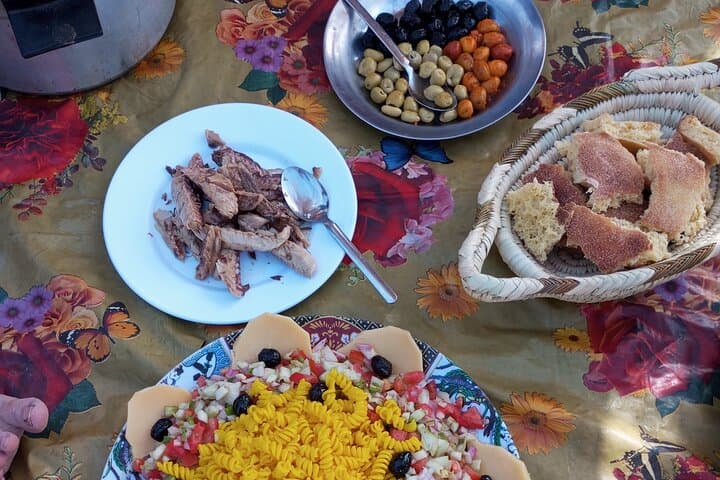
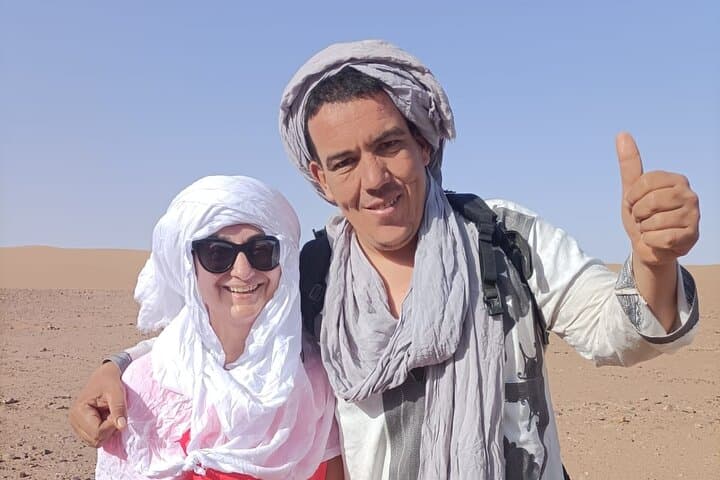
Local culture is deliberate and hospitable: Berber hosts serve mint tea and simple tagines; a short morning camel ride recaptures centuries of caravan travel. Logistics are straightforward but practical: expect long road transfers (the scenery is the point), limited running water at desert camps, and distinct temperature swings between day and night.
Pack layers for cold desert nights, sun protection for daytime crossings, and sturdy shoes for climbing dunes. Plan for early pickups and flexible timing—private tours let you linger at kasbah rooftops or pause for photos in the Draa palm groves. Respect local customs, conserve water, and tip guides who make the desert both safe and memorable.
Yes—this is a private tour with pick-up from Marrakech; exact pickup point is collected during booking.
Walking is minimal: short walks around kasbahs, a moderate climb on dunes, and a brief camel dismount—suitable for most fitness levels.
Dinner on night one and lunch on the second day are included, plus an overnight in a private Berber camp with basic facilities.
Yes; camels used for short, guided rides are accustomed to tourists and handlers provide basic safety guidance.
WalkWithBerbers-Morocco operates guided outdoor trips and adventures with an emphasis on safety, stewardship, and memorable experiences.


You leave Marrakech before dawn, Atlas peaks backlit in blue, and the road unspools through fortified ksour and olive-scrubbed passes. By late afternoon the air shifts—ocher mud-brick villages give way to palm-lined valleys and then to the broad, wind-sculpted slopes of the Sahara. Night arrives here with a clarity the city never shows: a private camp, a small fire, and dunes that push and breathe in the dark.
You leave Marrakech before dawn, Atlas peaks backlit in blue, and the road unspools through fortified ksour and olive-scrubbed passes. By late afternoon the air shifts—ocher mud-brick villages give way to palm-lined valleys and then to the broad, wind-sculpted slopes of the Sahara. Night arrives here with a clarity the city never shows: a private camp, a small fire, and dunes that push and breathe in the dark.
This two-day itinerary threads history and geology. Ait Ben Haddou, the earthen kasbah recognized by UNESCO, speaks of caravan routes and Saadian-era trade. Tamegroute’s Sufi zawiya and pottery workshops reflect the cultural crossroads along the Draa River. Geologically, the dunes near M'Hamid are composed of transported Saharan sands and seasonal alluvium from the valley—soft underfoot but shifting with the wind.
Local culture is deliberate and hospitable: Berber hosts serve mint tea and simple tagines; a short morning camel ride recaptures centuries of caravan travel. Logistics are straightforward but practical: expect long road transfers (the scenery is the point), limited running water at desert camps, and distinct temperature swings between day and night.
Pack layers for cold desert nights, sun protection for daytime crossings, and sturdy shoes for climbing dunes. Plan for early pickups and flexible timing—private tours let you linger at kasbah rooftops or pause for photos in the Draa palm groves. Respect local customs, conserve water, and tip guides who make the desert both safe and memorable.