THE ADVENTURE COLLECTIVE® · Independent discovery and booking for outdoor travel
Spend two days tracing Tunisia’s layered past from El Jem’s Roman amphitheater to a night in a traditional Sahara camp near Douz. This private tour balances cultural sites, desert driving and hands‑on local hospitality.
Spend two days tracing Tunisia’s layered past from El Jem’s Roman amphitheater to a night in a traditional Sahara camp near Douz. This private tour balances cultural sites, desert driving and hands‑on local hospitality.
The sun tilts low over a ribbon of dunes as you step from the shade of an air‑conditioned minivan onto sand that will absorb the heat of day and give it back at night.
Verified experiences and guided adventures in the surrounding area.
Operated by EXTRA VIRGIN TRAVEL · Douz, Kebili Governorate
The sun tilts low over a ribbon of dunes as you step from the shade of an air‑conditioned minivan onto sand that will absorb the heat of day and give it back at night.
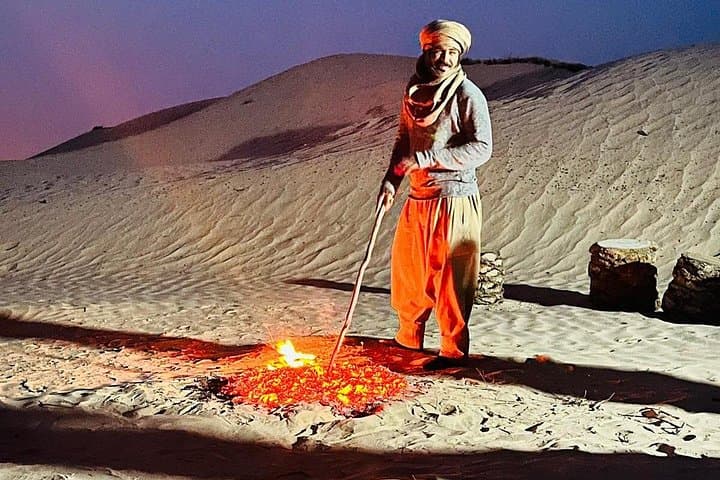
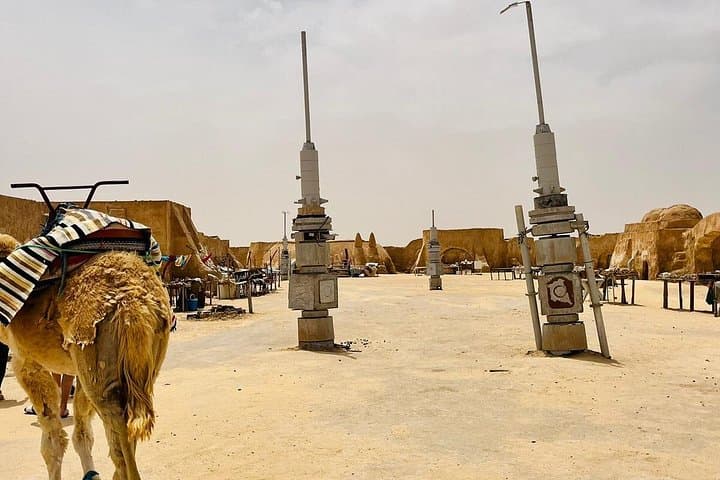
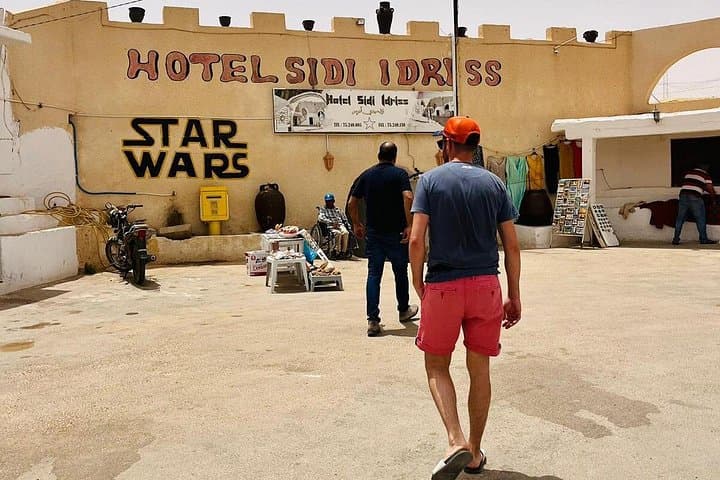
This two‑day loop threads Roman stone and Berber mudbrick: El Jem’s colossal amphitheater, the carved troglodyte houses of Matmata and the salt flats of Chott El Djerid, before sleeping under canvas in a traditional Sahara camp outside Douz. Geology here is blunt and honest — soft wind‑worked sand, compacted sebkha salt pans and limestone ruins that survived centuries of wind and water. Culture arrives in small, deliberate gestures: mint tea poured from a metal pot, flatbread baked in sand, and the track marks of rally cars crossing dunes where film crews once scouted Star Wars locations.
Expect active driving between sites (several hours total), short dune scrambles of 10–50 meters elevation gain and time on your feet for medina walks and amphitheater visits. Nights are cold; days are sharp and dry. Guides bridge language and custom, steering you to homestays in Matmata and explaining the religious significance of Kairouan’s Great Mosque.
Practicalities: carry at least 2–3 liters of water, wear closed shoes for sand and ruins, and pack a warm layer for nighttime camps. Start early for cooler travel windows and the best light for photography. Respect private property and fragile oases — leave no trace and follow your guide’s directions for dune travel. Arrive prepared, and the desert will open like a slow, deliberate conversation.
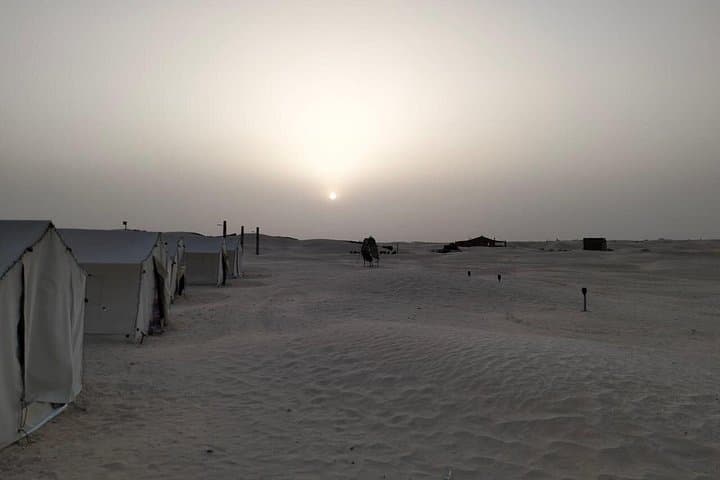
You’ll stay overnight in a traditional Sahara camp—usually canvas tents on a simple camp setup with shared facilities, and basic sleeping provisions provided by the operator.
Infants and small children can join, but the tour involves dune walking and uneven terrain; it’s not recommended for people with serious back or heart problems.
Expect several hours of driving across two days between Tunis/El Jem, Matmata, Douz and Tozeur/Chott El Djerid; much of the itinerary is road travel punctuated by short walks.
Breakfast and dinner are included on the itinerary—hosts typically accommodate common dietary needs if notified in advance during booking.
EXTRA VIRGIN TRAVEL operates guided outdoor trips and adventures with an emphasis on safety, stewardship, and memorable experiences.
The sun tilts low over a ribbon of dunes as you step from the shade of an air‑conditioned minivan onto sand that will absorb the heat of day and give it back at night.
The sun tilts low over a ribbon of dunes as you step from the shade of an air‑conditioned minivan onto sand that will absorb the heat of day and give it back at night.
This two‑day loop threads Roman stone and Berber mudbrick: El Jem’s colossal amphitheater, the carved troglodyte houses of Matmata and the salt flats of Chott El Djerid, before sleeping under canvas in a traditional Sahara camp outside Douz. Geology here is blunt and honest — soft wind‑worked sand, compacted sebkha salt pans and limestone ruins that survived centuries of wind and water. Culture arrives in small, deliberate gestures: mint tea poured from a metal pot, flatbread baked in sand, and the track marks of rally cars crossing dunes where film crews once scouted Star Wars locations.
Expect active driving between sites (several hours total), short dune scrambles of 10–50 meters elevation gain and time on your feet for medina walks and amphitheater visits. Nights are cold; days are sharp and dry. Guides bridge language and custom, steering you to homestays in Matmata and explaining the religious significance of Kairouan’s Great Mosque.
Practicalities: carry at least 2–3 liters of water, wear closed shoes for sand and ruins, and pack a warm layer for nighttime camps. Start early for cooler travel windows and the best light for photography. Respect private property and fragile oases — leave no trace and follow your guide’s directions for dune travel. Arrive prepared, and the desert will open like a slow, deliberate conversation.
