
2-Day Pyramids & Egyptian Museum Tour — Giza, Saqqara, Dahshur & Khan El-Khalili
A focused two-day cultural circuit around Cairo’s greatest antiquities: Giza’s pyramids and Sphinx, the Step Pyramid at Saqqara, Dahshur’s early experiments, plus the Egyptian Museum and Khan el-Khalili bazaar. Practical tips and timing to help you make the most of each site.
An Adventure In Cairo.
A focused two-day cultural circuit around Cairo’s greatest antiquities: Giza’s pyramids and Sphinx, the Step Pyramid at Saqqara, Dahshur’s early experiments, plus the Egyptian Museum and Khan el-Khalili bazaar. Practical tips and timing to help you make the most of each site.
Read the full experience
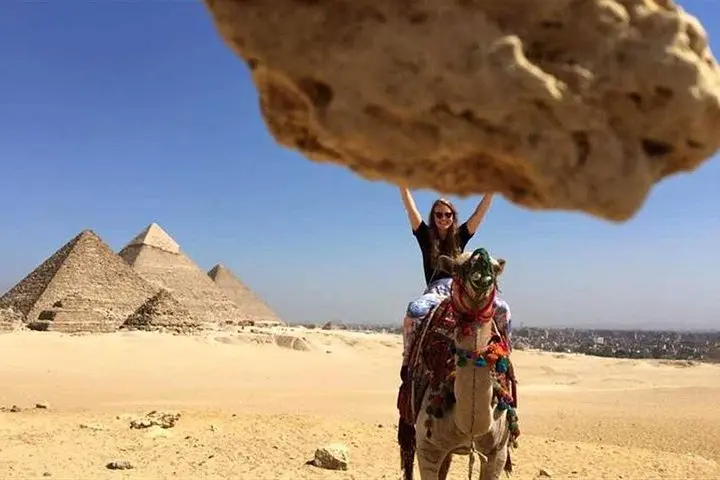
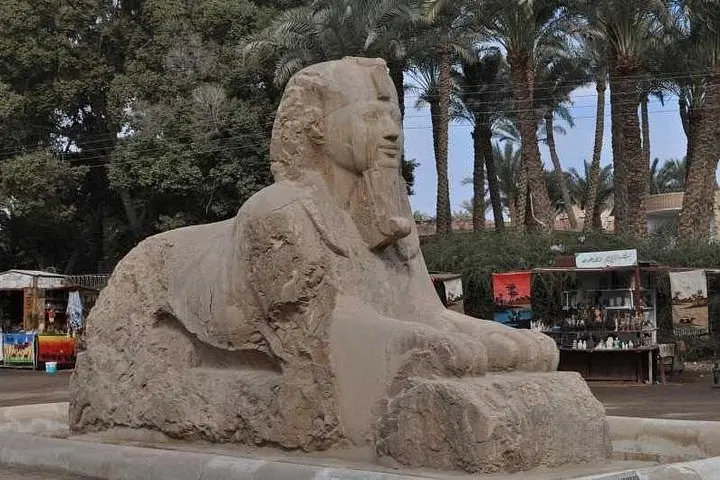
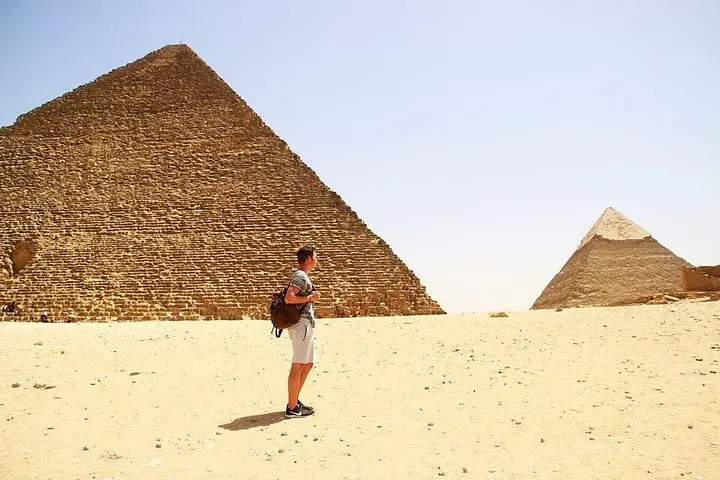
You arrive on the Giza Plateau as the sun strips the desert to warm ochre — the Great Pyramid rises like a deliberate machine, its blocks aligned to the horizon while the Sphinx keeps a patient, wind-polished watch.
You arrive on the Giza Plateau as the sun strips the desert to warm ochre — the Great Pyramid rises like a deliberate machine, its blocks aligned to the horizon while the Sphinx keeps a patient, wind-polished watch.
This two-day itinerary moves from Giza’s Fourth Dynasty giants to the older stonework at Saqqara and the experimental forms at Dahshur, then back to the city to read artifacts in the Egyptian Museum and feel the pulse of Khan el-Khalili market. The plateau’s limestone and nummulitic layers tell a geological story: quarries supplied the core and casing stones, and the Nile’s floodplain nearby shaped where workers settled.
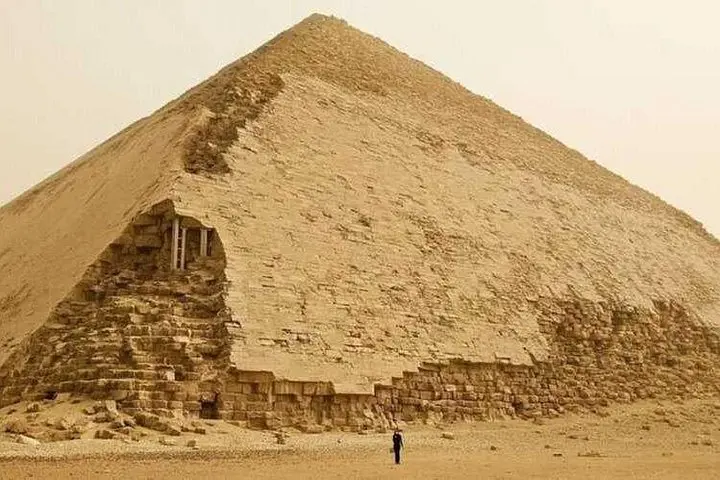
Historically the route traces Egypt’s funerary evolution — Djoser’s Step Pyramid at Saqqara is the first major stone complex, while Dahshur’s Bent and Red Pyramids show design experimentation under Sneferu. Cultural textures are immediate on the street: vendors call, artisans hammer brass, and lunch may include ful and koshari shared in a shaded restaurant.
Practical guide: expect long, mostly easy walks on uneven stone, dust, and short sandy approaches to pyramid bases. Museums and tomb areas have steps and tight spaces — bring sun protection, sturdy closed-toe shoes, and a photocopy of your passport for ticketing. Tours typically include hotel pickup, entry fees, a guided walkthrough, and two lunches; confirm schedules since museum displays have been moving to the Grand Egyptian Museum.
Timing matters—early starts avoid heat and crowds. Respect site rules: no climbing on monuments, keep a modest dress code in public, and carry local cash for tips and market purchases.
Frequently asked questions
This tour includes admission fees to the listed sites — confirm which specific monuments (e.g., pyramid interior access) are covered when you book.
Yes; the tour provides hotel pickup in Cairo or Giza — you’ll be asked your pickup point when booking.
Many sites have uneven ground, steps and sandy stretches; visitors with significant mobility limitations should inquire about accessibility and avoid tight tomb passages.
Interior access is often limited and may require an additional ticket at the site; check availability in advance as spaces are restricted.
About This Experience
Emo Tours Swiss operates guided outdoor trips and adventures with an emphasis on safety, stewardship, and memorable experiences.
Adventure tips
Recommended gear
- Sun hat & sunscreen: Protects against strong desert sun during open-air site visits.
- Comfortable walking shoes: Closed-toe shoes with grip are useful on uneven stonework and sandy approaches.
- Light layers and scarf: A breathable layer and scarf provide sun cover and modest dress for sites and mosques.
- Photocopies of passport & printed tickets: Required for some ticket checks and useful if original documents are left at the hotel.
Photos of the experience
Related adventures & guides
Read the full experience
You arrive on the Giza Plateau as the sun strips the desert to warm ochre — the Great Pyramid rises like a deliberate machine, its blocks aligned to the horizon while the Sphinx keeps a patient, wind-polished watch.
You arrive on the Giza Plateau as the sun strips the desert to warm ochre — the Great Pyramid rises like a deliberate machine, its blocks aligned to the horizon while the Sphinx keeps a patient, wind-polished watch.
This two-day itinerary moves from Giza’s Fourth Dynasty giants to the older stonework at Saqqara and the experimental forms at Dahshur, then back to the city to read artifacts in the Egyptian Museum and feel the pulse of Khan el-Khalili market. The plateau’s limestone and nummulitic layers tell a geological story: quarries supplied the core and casing stones, and the Nile’s floodplain nearby shaped where workers settled.
Historically the route traces Egypt’s funerary evolution — Djoser’s Step Pyramid at Saqqara is the first major stone complex, while Dahshur’s Bent and Red Pyramids show design experimentation under Sneferu. Cultural textures are immediate on the street: vendors call, artisans hammer brass, and lunch may include ful and koshari shared in a shaded restaurant.
Practical guide: expect long, mostly easy walks on uneven stone, dust, and short sandy approaches to pyramid bases. Museums and tomb areas have steps and tight spaces — bring sun protection, sturdy closed-toe shoes, and a photocopy of your passport for ticketing. Tours typically include hotel pickup, entry fees, a guided walkthrough, and two lunches; confirm schedules since museum displays have been moving to the Grand Egyptian Museum.
Timing matters—early starts avoid heat and crowds. Respect site rules: no climbing on monuments, keep a modest dress code in public, and carry local cash for tips and market purchases.
Make a day of it nearby.
Verified experiences and guided adventures in the surrounding area.