THE ADVENTURE COLLECTIVE® · Independent discovery and booking for outdoor travel

A rapid two-day private escape from Xi'an by bullet train to Qinghai Lake and Ta'er (Kumbum) Monastery. Expect high‑altitude lakeshore scenery, Tibetan pilgrimage rituals, and easy logistics handled by a private guide.
A rapid two-day private escape from Xi'an by bullet train to Qinghai Lake and Ta'er (Kumbum) Monastery. Expect high‑altitude lakeshore scenery, Tibetan pilgrimage rituals, and easy logistics handled by a private guide.
The coach eases out of Xining station and the plateau unfurls: scrubby grass, prayer flags snapping like small alarms, and Qinghai Lake widening into a rim of turquoise that dares you to step closer. At 3,190–3,200 m the air is thin and bright; the lake’s waves push at the shore with a steady, wind-driven insistence.
Verified experiences and guided adventures in the surrounding area.
Operated by Jeff Ning China Tour · Xining, Qinghai
The coach eases out of Xining station and the plateau unfurls: scrubby grass, prayer flags snapping like small alarms, and Qinghai Lake widening into a rim of turquoise that dares you to step closer. At 3,190–3,200 m the air is thin and bright; the lake’s waves push at the shore with a steady, wind-driven insistence.
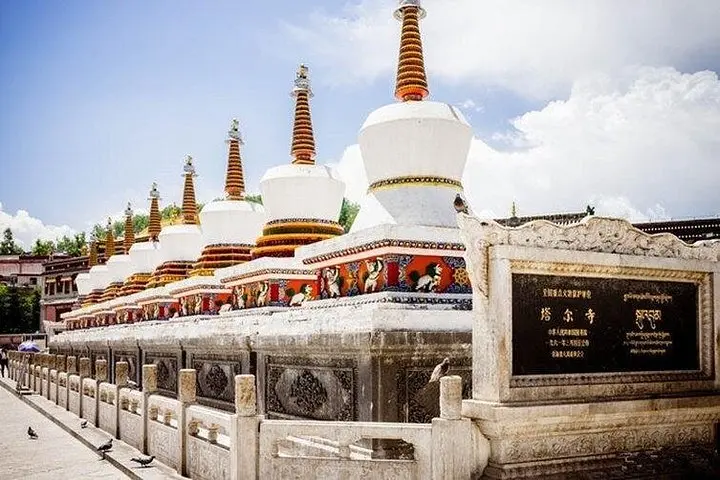
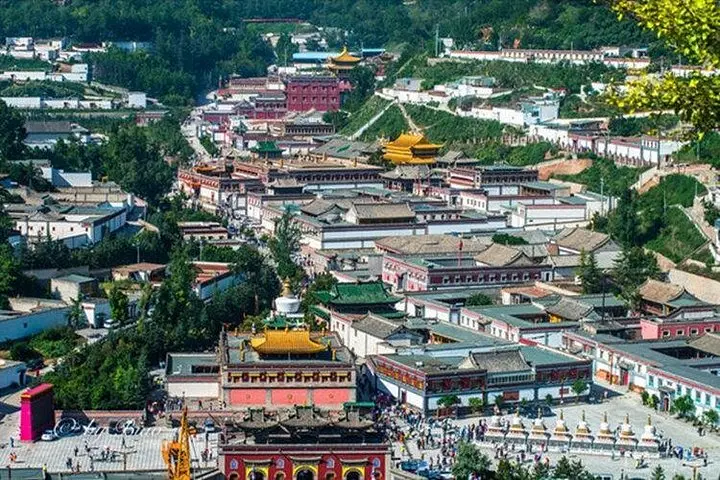
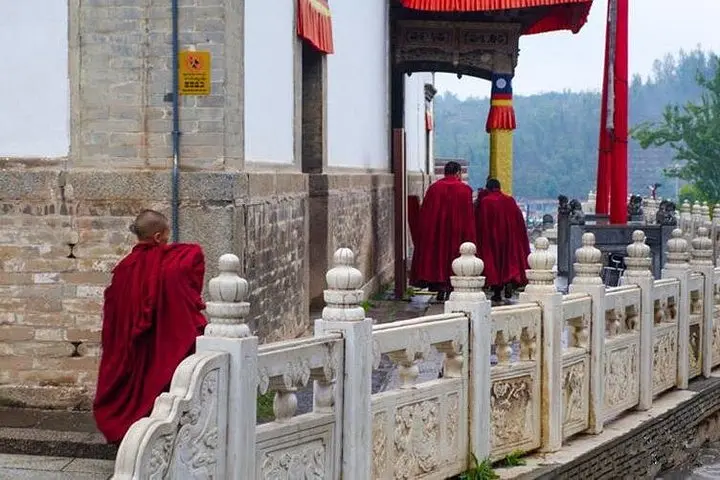
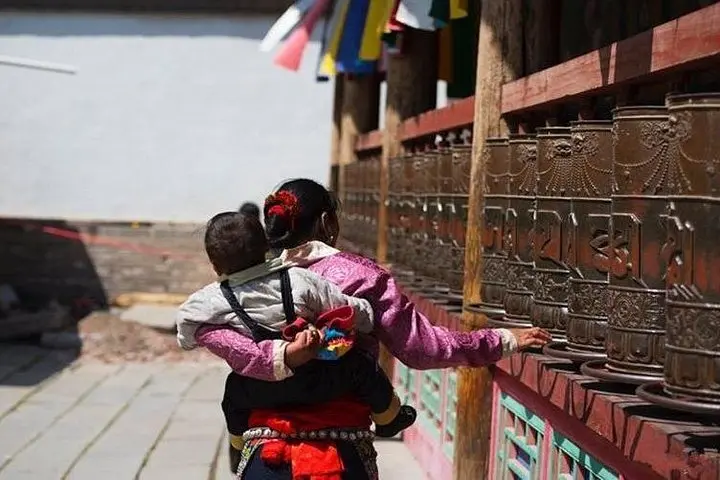
Qinghai Lake (Kokonor) is China’s largest inland lake and sits on an uplifted basin carved by tectonics and glacial melt. Nearby Ta'er (Kumbum) Monastery, founded in 1583, is a living center of Tibetan Buddhism where pilgrims perform long prostrations along the kora. The region layers Qinghai-Tibetan culture over salt flats, yaks, and shepherd tracks—remnants of trade routes that once threaded these highlands.
Travelers should expect 2–3 hours of road transfer from Xining to the lake, optional short boat rides or horseback along the shore, and a focused cultural visit to Ta'er with its painted chapels and butter-lamp halls. Accommodation is a local B&B or hotel in Xining with standard facilities.
Practical edge: altitude matters—move deliberately for the first 24 hours, hydrate, and avoid heavy exertion before sleep. Bring sun protection and a warm midlayer; winds can make midday feel cold. Your private guide will handle train logistics (examples: D2671/D2674), admissions, and local introductions, but carry your passport for train travel and monastery entry. This is a compact, accessible immersion in high‑plateau landscapes and living Tibetan culture—straightforward to do but rich in sensory detail.
Yes—Qinghai Lake sits around 3,190 m; drink water, take it easy the first day, and inform your guide if you feel severe symptoms.
The itinerary includes private transportation and guide assistance; the guide will help with bullet train tickets (example trains noted) and station procedures.
Children are permitted but must be accompanied by an adult; consider altitude and long transfers when traveling with young kids.
Yes—optional boat trips and horseback rides are commonly available at the lake shore, offered locally and payable on-site depending on conditions.
Jeff Ning China Tour operates guided outdoor trips and adventures with an emphasis on safety, stewardship, and memorable experiences.
The coach eases out of Xining station and the plateau unfurls: scrubby grass, prayer flags snapping like small alarms, and Qinghai Lake widening into a rim of turquoise that dares you to step closer. At 3,190–3,200 m the air is thin and bright; the lake’s waves push at the shore with a steady, wind-driven insistence.
The coach eases out of Xining station and the plateau unfurls: scrubby grass, prayer flags snapping like small alarms, and Qinghai Lake widening into a rim of turquoise that dares you to step closer. At 3,190–3,200 m the air is thin and bright; the lake’s waves push at the shore with a steady, wind-driven insistence.
Qinghai Lake (Kokonor) is China’s largest inland lake and sits on an uplifted basin carved by tectonics and glacial melt. Nearby Ta'er (Kumbum) Monastery, founded in 1583, is a living center of Tibetan Buddhism where pilgrims perform long prostrations along the kora. The region layers Qinghai-Tibetan culture over salt flats, yaks, and shepherd tracks—remnants of trade routes that once threaded these highlands.
Travelers should expect 2–3 hours of road transfer from Xining to the lake, optional short boat rides or horseback along the shore, and a focused cultural visit to Ta'er with its painted chapels and butter-lamp halls. Accommodation is a local B&B or hotel in Xining with standard facilities.
Practical edge: altitude matters—move deliberately for the first 24 hours, hydrate, and avoid heavy exertion before sleep. Bring sun protection and a warm midlayer; winds can make midday feel cold. Your private guide will handle train logistics (examples: D2671/D2674), admissions, and local introductions, but carry your passport for train travel and monastery entry. This is a compact, accessible immersion in high‑plateau landscapes and living Tibetan culture—straightforward to do but rich in sensory detail.