THE ADVENTURE COLLECTIVE® · Independent discovery and booking for outdoor travel

Two full days that contrast Rio’s iconic urban sights—Christ the Redeemer, Sugarloaf, Maracanã—with a private ecological visit to Tijuca National Park, including Pedra Bonita, Vista Chinesa and Horto Waterfall. Expect guided city drives and a light-to-moderate forest hike over two active days.
Two full days that contrast Rio’s iconic urban sights—Christ the Redeemer, Sugarloaf, Maracanã—with a private ecological visit to Tijuca National Park, including Pedra Bonita, Vista Chinesa and Horto Waterfall. Expect guided city drives and a light-to-moderate forest hike over two active days.
You step off the van into a humid city morning and the silhouette of Corcovado cuts the skyline—Christ the Redeemer watching over a city where ocean and rainforest meet. Day one is an urban sprint: panoramic rides up Corcovado, a cable car to Sugarloaf, a drive past Maracanã and the Sambódromo, and a stretch of sand along Copacabana and Ipanema that smells of salt and frying cassava.
Verified experiences and guided adventures in the surrounding area.
Operated by Nattrip - Tourism, Ecotourism and Adventure in Rio de Janeiro · Rio de Janeiro, Rio de Janeiro
You step off the van into a humid city morning and the silhouette of Corcovado cuts the skyline—Christ the Redeemer watching over a city where ocean and rainforest meet. Day one is an urban sprint: panoramic rides up Corcovado, a cable car to Sugarloaf, a drive past Maracanã and the Sambódromo, and a stretch of sand along Copacabana and Ipanema that smells of salt and frying cassava.
By day two the pace changes. Tijuca National Park, one of the world’s largest urban forests, replaces traffic with birdsong. The hike toward Pedra Bonita is short but steep, rewarding you with a launch ramp used by hang gliders and a wide view of São Conrado and the Dois Irmãos peaks. Nearby, the Chinese View (Vista Chinesa), built in the early 1900s, offers an ornamental lookout reflecting Rio’s coffee-era landscaping. Horto Waterfall gives a cool dip—locally cherished and modest in scale, ideal for rinsing off dust and heat.
Geology here is dramatic: granite domes and coastal escarpments carved by tectonics and erosion, then softened by Atlantic Forest growth. Culturally, the tour compresses Rio’s modern and colonial chapters—from soccer stadiums to Catholic cathedrals—while guided bilingual commentary ties the landmarks together.
Practical pointers: hotel pickup is included for selected properties; the tour moves fast on day one and requires moderate fitness for the Tijuca walk. Bring sunscreen, insect repellent, sturdy shoes, and a refillable water bottle. Start early on both days to avoid crowds and midday heat, and keep valuables secure in city zones.
Pickup and drop-off are included for selected hotels; the operator will confirm pickup time and location the day before via the Viator platform.
Admission to Corcovado and the Sugarloaf cable car are included in this tour’s itinerary as noted; confirm at booking for any changes.
The ecological day is described as light to moderate—expect short steep sections and uneven terrain; basic mobility and moderate fitness are sufficient.
Yes, Horto Waterfall is commonly visited for a quick, supervised dip, but conditions vary—follow the guide’s safety directions and avoid swimming after heavy rain.
Nattrip - Tourism, Ecotourism and Adventure in Rio de Janeiro operates guided outdoor trips and adventures with an emphasis on safety, stewardship, and memorable experiences.

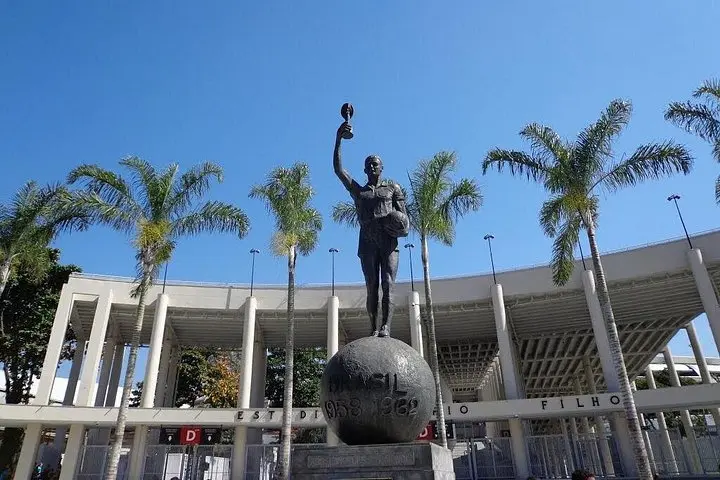

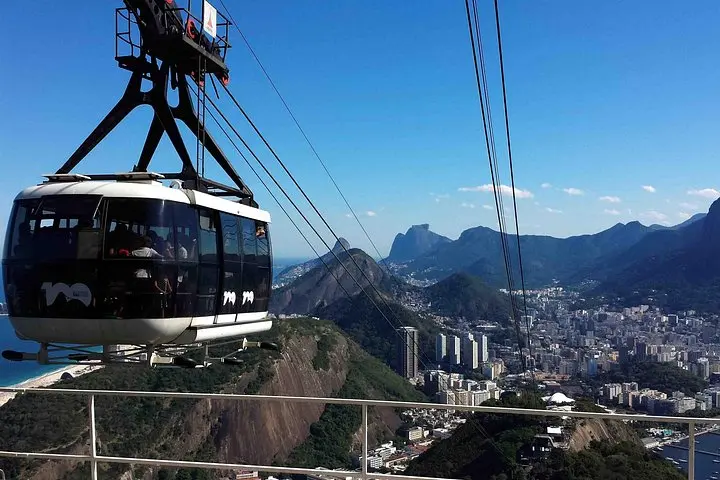
You step off the van into a humid city morning and the silhouette of Corcovado cuts the skyline—Christ the Redeemer watching over a city where ocean and rainforest meet. Day one is an urban sprint: panoramic rides up Corcovado, a cable car to Sugarloaf, a drive past Maracanã and the Sambódromo, and a stretch of sand along Copacabana and Ipanema that smells of salt and frying cassava.
You step off the van into a humid city morning and the silhouette of Corcovado cuts the skyline—Christ the Redeemer watching over a city where ocean and rainforest meet. Day one is an urban sprint: panoramic rides up Corcovado, a cable car to Sugarloaf, a drive past Maracanã and the Sambódromo, and a stretch of sand along Copacabana and Ipanema that smells of salt and frying cassava.
By day two the pace changes. Tijuca National Park, one of the world’s largest urban forests, replaces traffic with birdsong. The hike toward Pedra Bonita is short but steep, rewarding you with a launch ramp used by hang gliders and a wide view of São Conrado and the Dois Irmãos peaks. Nearby, the Chinese View (Vista Chinesa), built in the early 1900s, offers an ornamental lookout reflecting Rio’s coffee-era landscaping. Horto Waterfall gives a cool dip—locally cherished and modest in scale, ideal for rinsing off dust and heat.
Geology here is dramatic: granite domes and coastal escarpments carved by tectonics and erosion, then softened by Atlantic Forest growth. Culturally, the tour compresses Rio’s modern and colonial chapters—from soccer stadiums to Catholic cathedrals—while guided bilingual commentary ties the landmarks together.
Practical pointers: hotel pickup is included for selected properties; the tour moves fast on day one and requires moderate fitness for the Tijuca walk. Bring sunscreen, insect repellent, sturdy shoes, and a refillable water bottle. Start early on both days to avoid crowds and midday heat, and keep valuables secure in city zones.