THE ADVENTURE COLLECTIVE® · Independent discovery and booking for outdoor travel

Spend two days tracing Romania’s karst heart: UNESCO-listed Horezu, the dripping chambers of Polovragi and the Women’s Cave, and Brâncuși’s meditative sculptural axis in Târgu Jiu. This private tour blends geology, history and accessible cave walking.
Spend two days tracing Romania’s karst heart: UNESCO-listed Horezu, the dripping chambers of Polovragi and the Women’s Cave, and Brâncuși’s meditative sculptural axis in Târgu Jiu. This private tour blends geology, history and accessible cave walking.
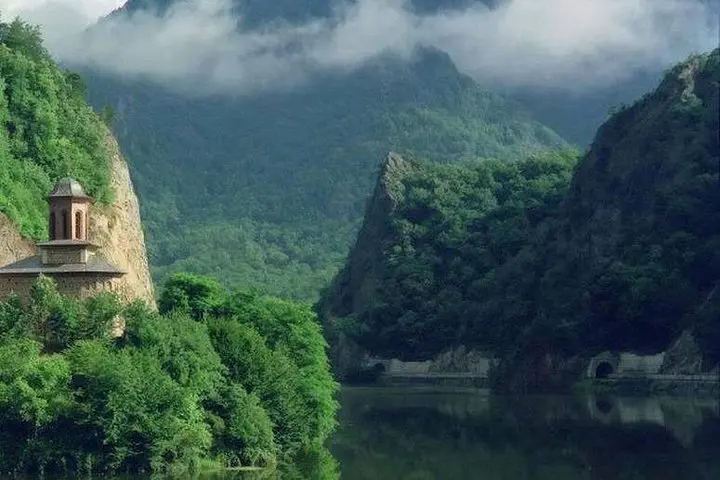
Morning light slices across open road as your private car leaves Bucharest; fields flatten, then the hills rise, and the air takes on the mineral scent of karst. In two days you move from the quiet cloistered world of Horezu Monastery to the humid galleries of Polovragi and the Women’s Cave, finishing with Constantin Brâncuși’s spare, powerful sculptures in Târgu Jiu.
Verified experiences and guided adventures in the surrounding area.
Operated by Nicolas Experience Tours · Râmnicu Vâlcea, Vâlcea
Morning light slices across open road as your private car leaves Bucharest; fields flatten, then the hills rise, and the air takes on the mineral scent of karst. In two days you move from the quiet cloistered world of Horezu Monastery to the humid galleries of Polovragi and the Women’s Cave, finishing with Constantin Brâncuși’s spare, powerful sculptures in Târgu Jiu.
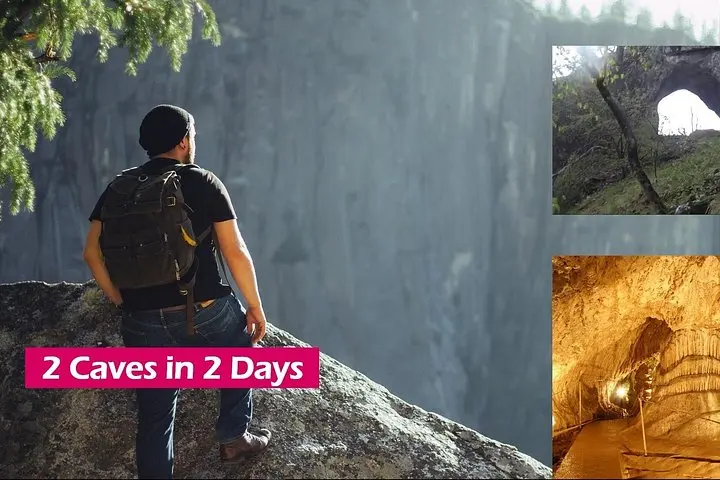
Geology here is blunt and readable: limestone folded by the Southern Carpathians, with caverns carved by underground streams. Polovragi’s system extends roughly 10 km though visitors see about 800 m of chambers—warm, dripping, and lined with calcite formations like the Spring of Hope and the White Room. Women’s Cave (Peștera Muierilor) opens into bone-rich deposits where Pleistocene fauna once congregated; calcified cave bear remains are a highlight.
Culture threads through the trip: Horezu’s 17th-century Orthodox architecture and pottery tradition; Brâncuși’s 1,275 m sculptural axis in Târgu Jiu that reframes public space into ritual and memory. Local life centers on small towns, craft workshops, and rivers that keep the valleys green.
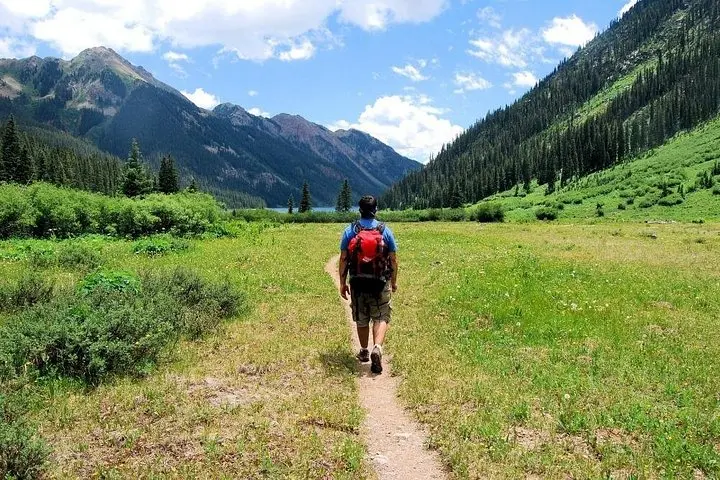
Practical guide: expect a lot of driving and short, uneven walks—stone steps, damp rock, narrow passages. Bring sturdy, treaded footwear and a light waterproof layer; caves are humid and about 8–12°C year-round. Guides handle logistics, entrances and pickup; plan comfortable shoes for the Brâncuși sites and a camera with spare batteries for dim interiors. Time your visit in spring or early fall to avoid peak heat and busier summer days.
The trip is low-impact: expect short walks, stairs and narrow cave passages; it’s suitable for most fitness levels but not for those with serious mobility issues.
Most cave interiors involve steps and uneven ground; they are not wheelchair or stroller friendly—check with the operator for specific site access.
Older children comfortable with confined spaces can enjoy the caves, but younger kids may find stairs and low passages challenging—supervision is required.
This tour is not recommended for pregnant travelers due to uneven terrain, tight spaces and potential discomfort in humid cave environments.
Nicolas Experience Tours operates guided outdoor trips and adventures with an emphasis on safety, stewardship, and memorable experiences.

Morning light slices across open road as your private car leaves Bucharest; fields flatten, then the hills rise, and the air takes on the mineral scent of karst. In two days you move from the quiet cloistered world of Horezu Monastery to the humid galleries of Polovragi and the Women’s Cave, finishing with Constantin Brâncuși’s spare, powerful sculptures in Târgu Jiu.
Morning light slices across open road as your private car leaves Bucharest; fields flatten, then the hills rise, and the air takes on the mineral scent of karst. In two days you move from the quiet cloistered world of Horezu Monastery to the humid galleries of Polovragi and the Women’s Cave, finishing with Constantin Brâncuși’s spare, powerful sculptures in Târgu Jiu.
Geology here is blunt and readable: limestone folded by the Southern Carpathians, with caverns carved by underground streams. Polovragi’s system extends roughly 10 km though visitors see about 800 m of chambers—warm, dripping, and lined with calcite formations like the Spring of Hope and the White Room. Women’s Cave (Peștera Muierilor) opens into bone-rich deposits where Pleistocene fauna once congregated; calcified cave bear remains are a highlight.
Culture threads through the trip: Horezu’s 17th-century Orthodox architecture and pottery tradition; Brâncuși’s 1,275 m sculptural axis in Târgu Jiu that reframes public space into ritual and memory. Local life centers on small towns, craft workshops, and rivers that keep the valleys green.
Practical guide: expect a lot of driving and short, uneven walks—stone steps, damp rock, narrow passages. Bring sturdy, treaded footwear and a light waterproof layer; caves are humid and about 8–12°C year-round. Guides handle logistics, entrances and pickup; plan comfortable shoes for the Brâncuși sites and a camera with spare batteries for dim interiors. Time your visit in spring or early fall to avoid peak heat and busier summer days.