THE ADVENTURE COLLECTIVE® · Independent discovery and booking for outdoor travel

Spend two days following the Great Ruaha through miombo woodland, with afternoon and sunrise game drives, on-site TANAPA bandas, and focused wildlife viewing along the Mwagusi and Mdonya rivers. This private itinerary pairs riverbank sightings with close-up birding opportunities.
Spend two days following the Great Ruaha through miombo woodland, with afternoon and sunrise game drives, on-site TANAPA bandas, and focused wildlife viewing along the Mwagusi and Mdonya rivers. This private itinerary pairs riverbank sightings with close-up birding opportunities.
You roll out of Iringa before dawn, the road folding into ochre dust and flat-topped acacias. The landscape opens into a sweep of miombo woodland and low granite kopjes; the Great Ruaha River threads the valley below, its bends daring wildlife to drink and predators to wait. By midafternoon your TANAPA banda sits inside the park, campsite lights low while distant hippo groans punctuate the dark.
Verified experiences and guided adventures in the surrounding area.
Operated by Kihindo Tours and Safaris Limited · Iringa, Iringa Region
You roll out of Iringa before dawn, the road folding into ochre dust and flat-topped acacias. The landscape opens into a sweep of miombo woodland and low granite kopjes; the Great Ruaha River threads the valley below, its bends daring wildlife to drink and predators to wait. By midafternoon your TANAPA banda sits inside the park, campsite lights low while distant hippo groans punctuate the dark.
Ruaha National Park, officially gazetted in the 1960s, protects one of Tanzania’s largest intact river-watershed systems. Geology here is blunt—ancient granites and metamorphics worn into koppies, riverbanks of sand and alluvium that shift with seasonal flows. Culturally the park sits in the Iringa region, home to Hehe communities whose history intersects colonial resistance and pastoral land use.
Over two days expect two full game-drive windows: an afternoon drive on arrival and a sunrise-to-midday drive the next morning. Typical drives cover rough sandy tracks, short river fords and open pans—distances vary, but plan for several hours in the vehicle each session with minimal elevation change (roughly 600–1,300 m above sea level across the park). Birding spikes in the rains; dry-season wildlife concentrates along the Ruaha, Mwagusi and Mdonya channels.
Practical: travel time from Iringa is about 2–3 hours (road conditions vary), park fees for non-residents are included in this package, and a private guide leads all drives. Bring neutral clothing, sturdy shoes for brief walks from the vehicle, sun protection, binoculars and plenty of water. Start drives at first light for the best predator and bird activity, and expect bumpy tracks—move deliberately, keep camera gear accessible and let the river call you toward the next herd.
Typical driving time is 2–3 hours depending on vehicle and road conditions; expect variable surfaces including graded dirt roads.
Yes—park fees for non-residents are listed as included in the trip package.
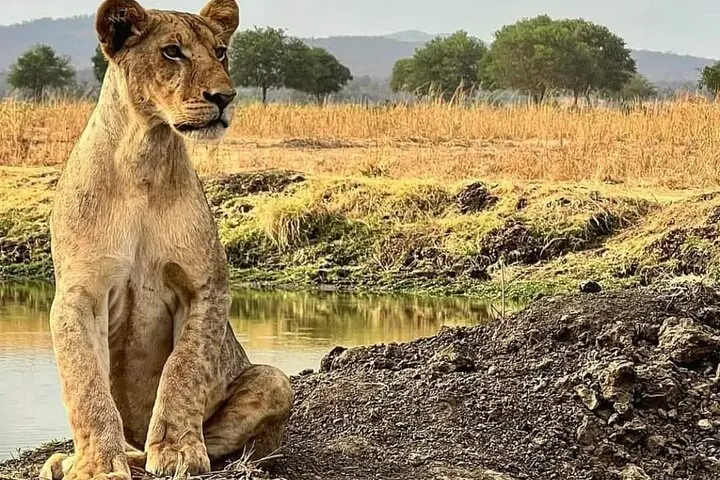
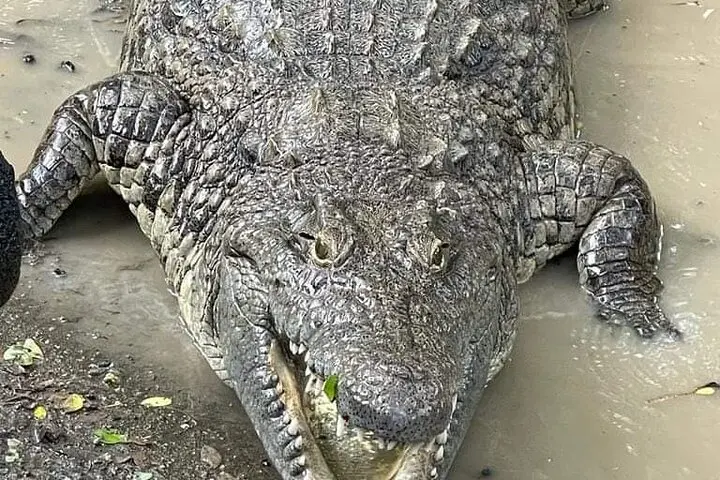
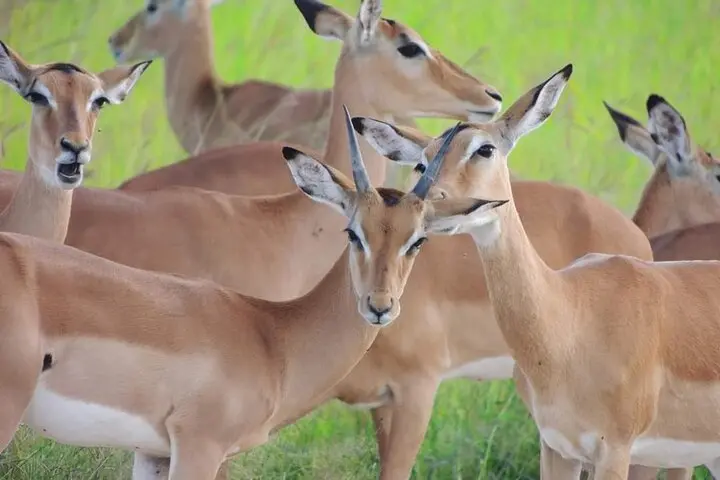
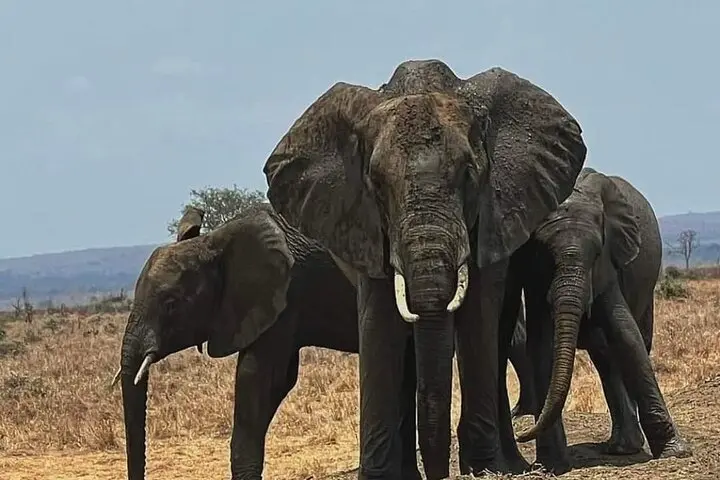
Common sightings include elephant, giraffe, buffalo, lion, spotted hyena and numerous bird species concentrated along the rivers; sightings depend on season and luck.
Yes—this itinerary includes an overnight at TANAPA Ruaha Bandas located inside the park on night one.
Kihindo Tours and Safaris Limited operates guided outdoor trips and adventures with an emphasis on safety, stewardship, and memorable experiences.
You roll out of Iringa before dawn, the road folding into ochre dust and flat-topped acacias. The landscape opens into a sweep of miombo woodland and low granite kopjes; the Great Ruaha River threads the valley below, its bends daring wildlife to drink and predators to wait. By midafternoon your TANAPA banda sits inside the park, campsite lights low while distant hippo groans punctuate the dark.
You roll out of Iringa before dawn, the road folding into ochre dust and flat-topped acacias. The landscape opens into a sweep of miombo woodland and low granite kopjes; the Great Ruaha River threads the valley below, its bends daring wildlife to drink and predators to wait. By midafternoon your TANAPA banda sits inside the park, campsite lights low while distant hippo groans punctuate the dark.
Ruaha National Park, officially gazetted in the 1960s, protects one of Tanzania’s largest intact river-watershed systems. Geology here is blunt—ancient granites and metamorphics worn into koppies, riverbanks of sand and alluvium that shift with seasonal flows. Culturally the park sits in the Iringa region, home to Hehe communities whose history intersects colonial resistance and pastoral land use.
Over two days expect two full game-drive windows: an afternoon drive on arrival and a sunrise-to-midday drive the next morning. Typical drives cover rough sandy tracks, short river fords and open pans—distances vary, but plan for several hours in the vehicle each session with minimal elevation change (roughly 600–1,300 m above sea level across the park). Birding spikes in the rains; dry-season wildlife concentrates along the Ruaha, Mwagusi and Mdonya channels.
Practical: travel time from Iringa is about 2–3 hours (road conditions vary), park fees for non-residents are included in this package, and a private guide leads all drives. Bring neutral clothing, sturdy shoes for brief walks from the vehicle, sun protection, binoculars and plenty of water. Start drives at first light for the best predator and bird activity, and expect bumpy tracks—move deliberately, keep camera gear accessible and let the river call you toward the next herd.