THE ADVENTURE COLLECTIVE® · Independent discovery and booking for outdoor travel

A two-day trek through Sa Pa’s dramatic terraces and ethnic villages that pairs moderate-to-challenging hiking with an overnight homestay. Expect panoramic mountain views, rice-field panoramas, and close encounters with Black H’Mong and Red Dao communities.
A two-day trek through Sa Pa’s dramatic terraces and ethnic villages that pairs moderate-to-challenging hiking with an overnight homestay. Expect panoramic mountain views, rice-field panoramas, and close encounters with Black H’Mong and Red Dao communities.
Mist clings to the ridgelines as the group moves away from Sa Pa Stone Church, boots crunching on wet dirt and terraces slipping into view below. The first day climbs toward Ham Rong Mountain (about a 2 km uphill push to ~2,000 m) for a broad look at Fansipan and the Muong Hoa valley; from there the trail drops through Hang Da toward Black H’Mong villages and a homestay in Giang Ta Chai.
Verified experiences and guided adventures in the surrounding area.
Operated by ZOZO Sa pa trekking & Homestay · Sa Pa, Lao Cai Province
Mist clings to the ridgelines as the group moves away from Sa Pa Stone Church, boots crunching on wet dirt and terraces slipping into view below. The first day climbs toward Ham Rong Mountain (about a 2 km uphill push to ~2,000 m) for a broad look at Fansipan and the Muong Hoa valley; from there the trail drops through Hang Da toward Black H’Mong villages and a homestay in Giang Ta Chai.
This region sits on the eastern edge of the Hoang Lien Range, carved by glacial and fluvial forces into steep terraces that farmers have worked for generations. Ethnic groups here—Black H’Mong, Red Dao—maintain distinct traditional houses, textiles, and agricultural rhythms tied to rice cycles and seasonal festivals.
The trek covers roughly 22–24 km over two days on dirt trails, farm tracks, and bamboo stands. Expect sustained uphill sections, stream crossings, and narrow terrace paths; altitude moves from Sa Pa’s ~1,500 m toward Ham Rong’s 2,000 m. Local hosts offer simple shared rooms and family meals—an immediate way to see daily life beyond guidebooks.
Practical notes: start early for clearer views, carry layered clothing for rapid weather changes, and bring small cash for village purchases. Footwear should be sturdy and have good tread; rain often makes paths muddy in wet months. Respect homes and ask before photographing people.
This itinerary balances cultural immersion and steady hiking: it’s not technical, but it rewards preparation—hydration, steady pacing, and curiosity deliver the best experience.
Tracks include sustained uphill sections and uneven terraces across ~22–24 km total; it’s non-technical but requires good fitness and sure footing.
Simple shared rooms with basic bedding, family meals made from local ingredients, and limited electrical outlets—comforts are modest but authentic.
No—stick to bottled water provided or treat/boil water; carry additional water if you prefer more than the small bottle supplied.
Yes, the local guide included speaks English and will provide cultural context and navigation during the trek.
ZOZO Sa pa trekking & Homestay operates guided outdoor trips and adventures with an emphasis on safety, stewardship, and memorable experiences.
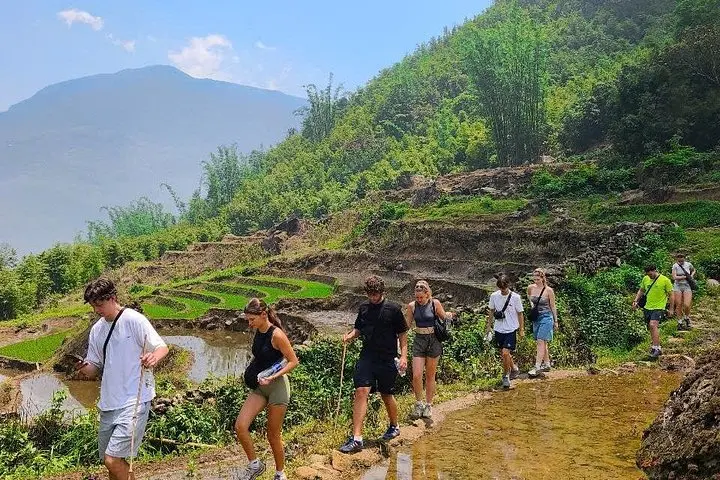
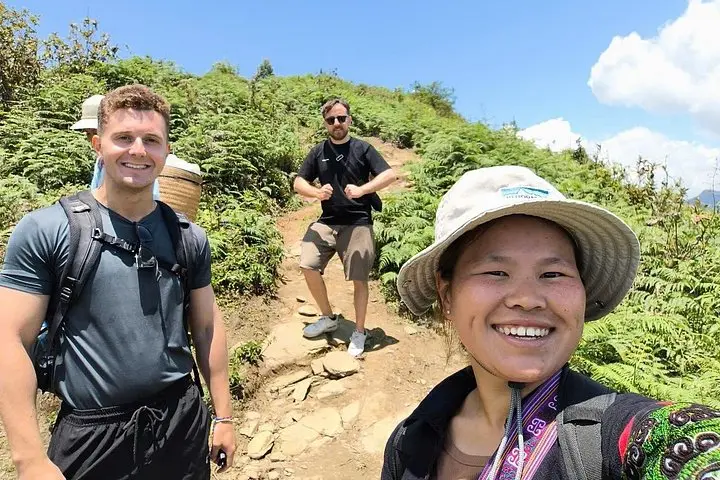
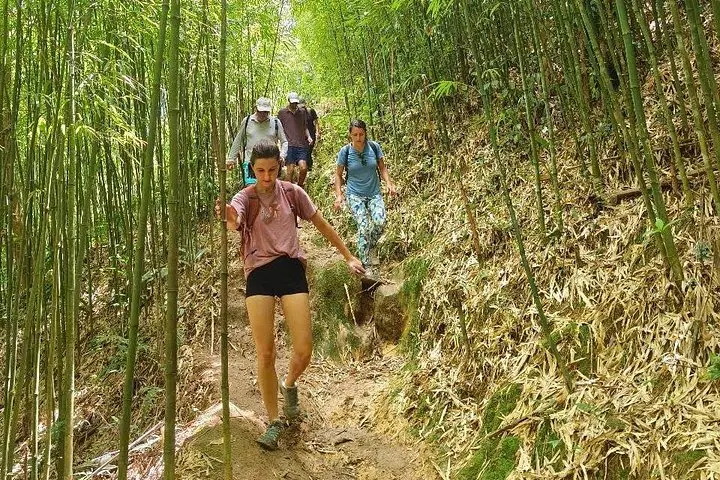
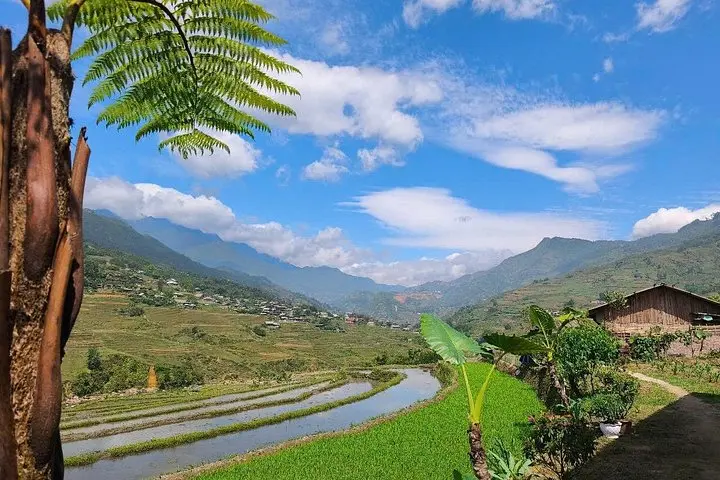
Mist clings to the ridgelines as the group moves away from Sa Pa Stone Church, boots crunching on wet dirt and terraces slipping into view below. The first day climbs toward Ham Rong Mountain (about a 2 km uphill push to ~2,000 m) for a broad look at Fansipan and the Muong Hoa valley; from there the trail drops through Hang Da toward Black H’Mong villages and a homestay in Giang Ta Chai.
Mist clings to the ridgelines as the group moves away from Sa Pa Stone Church, boots crunching on wet dirt and terraces slipping into view below. The first day climbs toward Ham Rong Mountain (about a 2 km uphill push to ~2,000 m) for a broad look at Fansipan and the Muong Hoa valley; from there the trail drops through Hang Da toward Black H’Mong villages and a homestay in Giang Ta Chai.
This region sits on the eastern edge of the Hoang Lien Range, carved by glacial and fluvial forces into steep terraces that farmers have worked for generations. Ethnic groups here—Black H’Mong, Red Dao—maintain distinct traditional houses, textiles, and agricultural rhythms tied to rice cycles and seasonal festivals.
The trek covers roughly 22–24 km over two days on dirt trails, farm tracks, and bamboo stands. Expect sustained uphill sections, stream crossings, and narrow terrace paths; altitude moves from Sa Pa’s ~1,500 m toward Ham Rong’s 2,000 m. Local hosts offer simple shared rooms and family meals—an immediate way to see daily life beyond guidebooks.
Practical notes: start early for clearer views, carry layered clothing for rapid weather changes, and bring small cash for village purchases. Footwear should be sturdy and have good tread; rain often makes paths muddy in wet months. Respect homes and ask before photographing people.
This itinerary balances cultural immersion and steady hiking: it’s not technical, but it rewards preparation—hydration, steady pacing, and curiosity deliver the best experience.