THE ADVENTURE COLLECTIVE® · Independent discovery and booking for outdoor travel

Witness Machu Picchu at sunrise and explore the Sacred Valley’s living Inca sites on a compact, guided two-day tour from Cusco. Expect high-altitude walking, dramatic mountain weather, and visits to Moray, Maras salt pans, and Ollantaytambo.
Witness Machu Picchu at sunrise and explore the Sacred Valley’s living Inca sites on a compact, guided two-day tour from Cusco. Expect high-altitude walking, dramatic mountain weather, and visits to Moray, Maras salt pans, and Ollantaytambo.
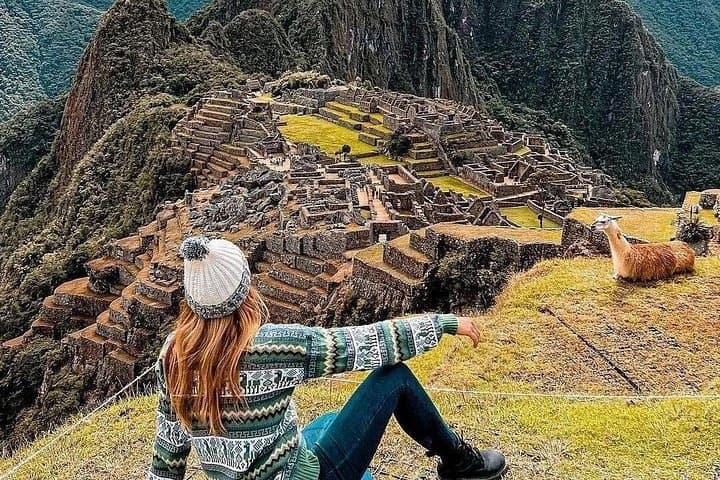
Pre-dawn light slices the mountain air as you board a train from Ollantaytambo, the valley narrowing and the Urubamba River daring you to keep watch. By the time the bus climbs the switchbacks to Machu Picchu, stone terraces and cloud-washed ridgelines reveal why the Incas chose this place: dramatic altitude, defensive vantage points and a landscape that still seems to move around the ruins.
Verified experiences and guided adventures in the surrounding area.
Operated by Altitude Peru · Cusco, Cusco Region
Pre-dawn light slices the mountain air as you board a train from Ollantaytambo, the valley narrowing and the Urubamba River daring you to keep watch. By the time the bus climbs the switchbacks to Machu Picchu, stone terraces and cloud-washed ridgelines reveal why the Incas chose this place: dramatic altitude, defensive vantage points and a landscape that still seems to move around the ruins.
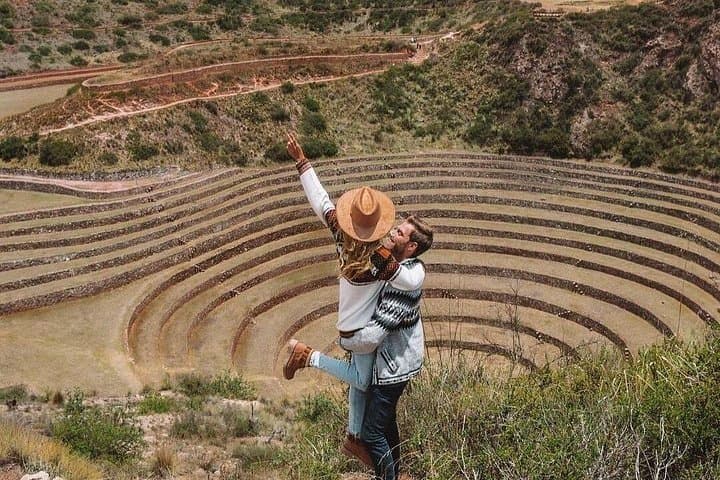
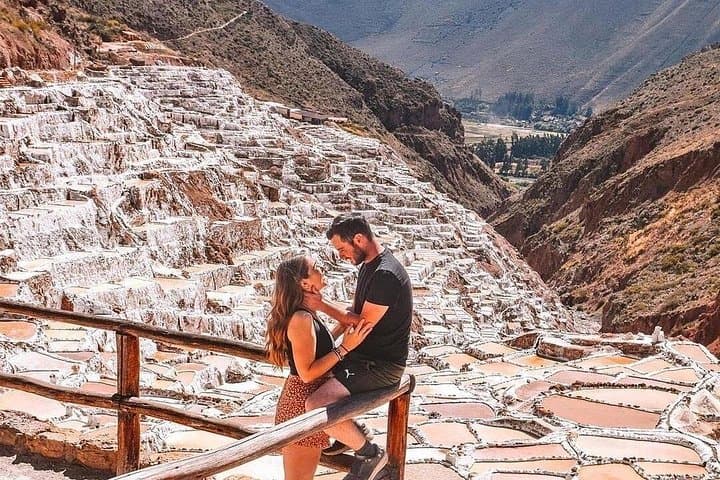
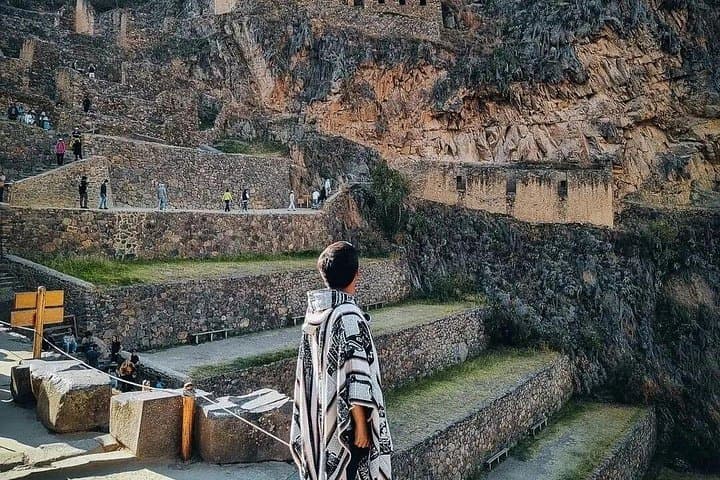
The route across the Sacred Valley threads Inca agricultural sites and living traditions. Moray’s concentric terraces speak of deliberate experimentation with microclimates; Maras’ salt pans glitter like a low-lying constellation and recall pre-Columbian economies that remain family-run today. Ollantaytambo preserves a lived urban plan — narrow streets and massive stonework — where Spanish colonial layers meet Inca engineering.
Expect high-altitude walking on uneven stone paths, weather that can flip from sun to rain within an hour, and crowds at peak hours around the main terraces. The guided Machu Picchu visit offers history and geology: granite outcrops sculpted by tectonics and glacial polish, and architectural joints that shed seismic stress.
Practical guidance: acclimatize in Cusco for 24 hours if possible, carry water and sun protection, and wear shoes with good traction for steep, worn steps. Take advantage of early buses to beat the crowds and bring a light waterproof—mountain weather is decisive. Respect local customs at artisan markets by asking before photographing people and consider carrying small cash in soles for purchases. With a measured pace and proper gear this two-day itinerary converts a bucket-list destination into a tangible, manageable adventure.
This tour includes Machu Picchu entrance and round-trip train tickets (Expedition class) as stated in the itinerary.
The tour involves uneven stone paths and steep steps; it’s suitable for most fitness levels but may be challenging for those with limited mobility.
Yes—on day one you can choose to stay in Aguas Calientes to visit Machu Picchu early the next morning, which many travelers prefer.
Carry Peruvian soles for markets and small vendors; most hotels and larger restaurants accept cards but remote sites and stalls often require cash.
Altitude Peru operates guided outdoor trips and adventures with an emphasis on safety, stewardship, and memorable experiences.
Pre-dawn light slices the mountain air as you board a train from Ollantaytambo, the valley narrowing and the Urubamba River daring you to keep watch. By the time the bus climbs the switchbacks to Machu Picchu, stone terraces and cloud-washed ridgelines reveal why the Incas chose this place: dramatic altitude, defensive vantage points and a landscape that still seems to move around the ruins.
Pre-dawn light slices the mountain air as you board a train from Ollantaytambo, the valley narrowing and the Urubamba River daring you to keep watch. By the time the bus climbs the switchbacks to Machu Picchu, stone terraces and cloud-washed ridgelines reveal why the Incas chose this place: dramatic altitude, defensive vantage points and a landscape that still seems to move around the ruins.
The route across the Sacred Valley threads Inca agricultural sites and living traditions. Moray’s concentric terraces speak of deliberate experimentation with microclimates; Maras’ salt pans glitter like a low-lying constellation and recall pre-Columbian economies that remain family-run today. Ollantaytambo preserves a lived urban plan — narrow streets and massive stonework — where Spanish colonial layers meet Inca engineering.
Expect high-altitude walking on uneven stone paths, weather that can flip from sun to rain within an hour, and crowds at peak hours around the main terraces. The guided Machu Picchu visit offers history and geology: granite outcrops sculpted by tectonics and glacial polish, and architectural joints that shed seismic stress.
Practical guidance: acclimatize in Cusco for 24 hours if possible, carry water and sun protection, and wear shoes with good traction for steep, worn steps. Take advantage of early buses to beat the crowds and bring a light waterproof—mountain weather is decisive. Respect local customs at artisan markets by asking before photographing people and consider carrying small cash in soles for purchases. With a measured pace and proper gear this two-day itinerary converts a bucket-list destination into a tangible, manageable adventure.