THE ADVENTURE COLLECTIVE® · Independent discovery and booking for outdoor travel

A compact, two-day loop from Cusco through the Sacred Valley to Machu Picchu that pairs Inca sites, a scenic train ride, and an overnight in Aguas Calientes. Ideal for travelers who want a concise, guided experience that covers archaeology, landscapes, and local culture.
A compact, two-day loop from Cusco through the Sacred Valley to Machu Picchu that pairs Inca sites, a scenic train ride, and an overnight in Aguas Calientes. Ideal for travelers who want a concise, guided experience that covers archaeology, landscapes, and local culture.
You step off the early train and the mountains greet you like living walls—green ridges sliding into mist, terraces clinging to steep slopes, and the Urubamba River daring you toward the valley below.
Verified experiences and guided adventures in the surrounding area.
Operated by Andean Trekking Peru · Aguas Calientes, Cusco
You step off the early train and the mountains greet you like living walls—green ridges sliding into mist, terraces clinging to steep slopes, and the Urubamba River daring you toward the valley below.
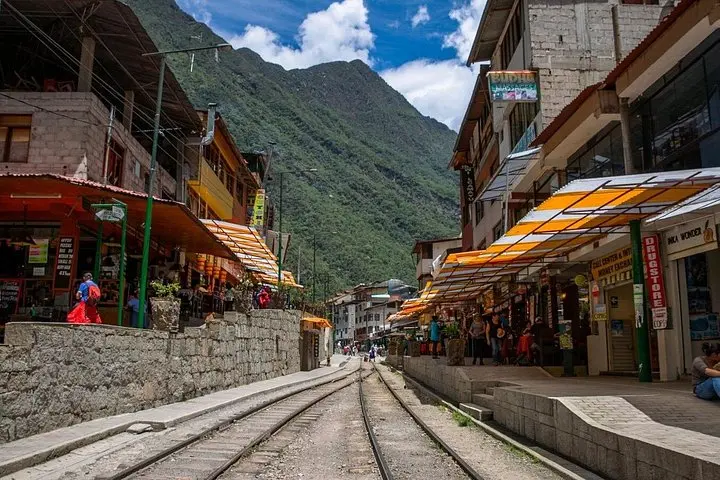
Day one moves through Pisac's terraces and Ollantaytambo's massive stonework, places where Inca engineering read the land and redirected it into fields and plazas. The Sacred Valley is carved from volcanic ash and river alluvium; its soils and stepped terraces reflect centuries of agricultural adaptation. Markets pulse with color—woven alpaca, Andean corn, and spices that explain regional dishes. That evening, Aguas Calientes offers hot springs and a small-town calm before the citadel.
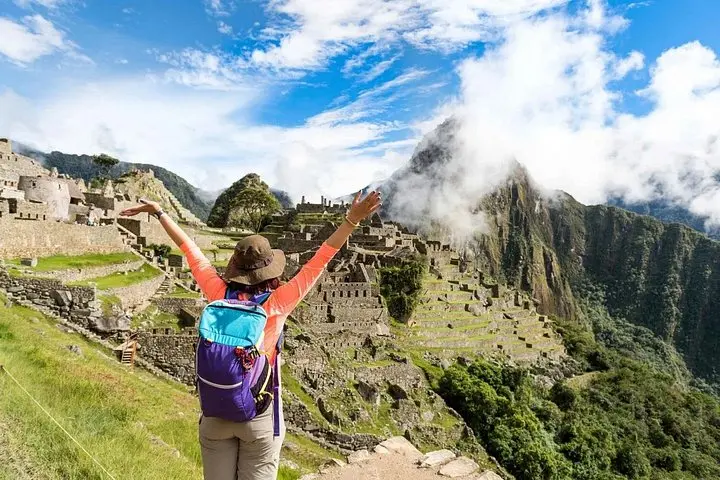
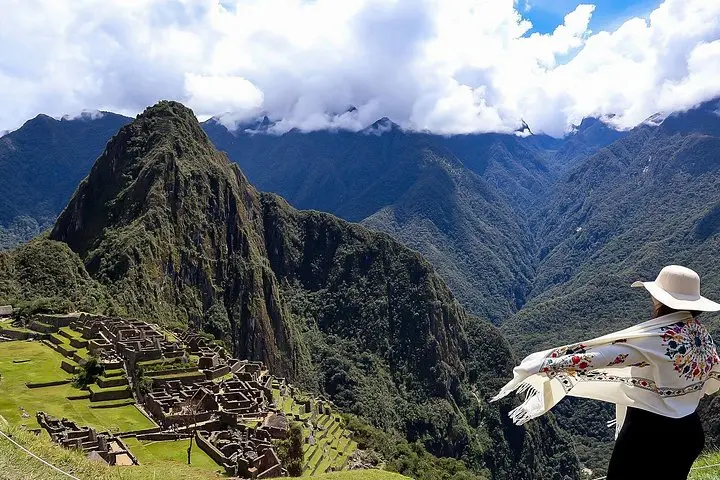
On day two, a morning bus climbs the switchbacks to Machu Picchu. The citadel, raised in the mid-15th century by Pachacuti, sits on a limestone spine between two peaks; its terraces manage water as carefully as the Incas managed stone. Guided routes take you through temples, plazas, and agricultural sectors; guides point out masonry that resists earthquakes and design choices that frame the sunrise.
Practical edge: expect cobbled stairways, uneven paths, and variable weather—layers and steady footwear matter. Altitude will affect breath and pace; drink water, move deliberately, and allow time for the guided sections. Trains and buses create fixed windows for entry and exit, so plan meals and photo time around those schedules. This two-day circuit balances cultural depth, geological context, and a focused window to stand where centuries meet sky.
Expect several hours of moderate walking plus stair-climbing at sites; the guided portions are paced but include uneven terrain.
This tour includes Machu Picchu entrance and a guided visit; Huayna Picchu or Machu Picchu mountain tickets may require separate reservation.
Yes—operators typically accommodate common dietary needs if noted at booking.
The tour is labeled suitable for general fitness levels but is not recommended for travelers with significant spinal problems; infants must sit on laps.
Andean Trekking Peru operates guided outdoor trips and adventures with an emphasis on safety, stewardship, and memorable experiences.
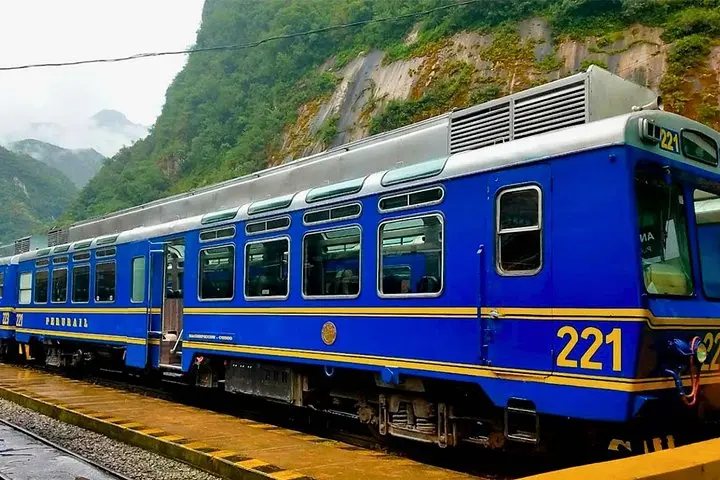
You step off the early train and the mountains greet you like living walls—green ridges sliding into mist, terraces clinging to steep slopes, and the Urubamba River daring you toward the valley below.
You step off the early train and the mountains greet you like living walls—green ridges sliding into mist, terraces clinging to steep slopes, and the Urubamba River daring you toward the valley below.
Day one moves through Pisac's terraces and Ollantaytambo's massive stonework, places where Inca engineering read the land and redirected it into fields and plazas. The Sacred Valley is carved from volcanic ash and river alluvium; its soils and stepped terraces reflect centuries of agricultural adaptation. Markets pulse with color—woven alpaca, Andean corn, and spices that explain regional dishes. That evening, Aguas Calientes offers hot springs and a small-town calm before the citadel.
On day two, a morning bus climbs the switchbacks to Machu Picchu. The citadel, raised in the mid-15th century by Pachacuti, sits on a limestone spine between two peaks; its terraces manage water as carefully as the Incas managed stone. Guided routes take you through temples, plazas, and agricultural sectors; guides point out masonry that resists earthquakes and design choices that frame the sunrise.
Practical edge: expect cobbled stairways, uneven paths, and variable weather—layers and steady footwear matter. Altitude will affect breath and pace; drink water, move deliberately, and allow time for the guided sections. Trains and buses create fixed windows for entry and exit, so plan meals and photo time around those schedules. This two-day circuit balances cultural depth, geological context, and a focused window to stand where centuries meet sky.