THE ADVENTURE COLLECTIVE® · Independent discovery and booking for outdoor travel

A compact two-day circuit from Cusco through the Sacred Valley to Machu Picchu, combining Inca archaeological highlights, a scenic Vistadome train, and guided context on terraces, salt pans and agricultural experiments like Moray. Ideal for travelers seeking cultural depth with manageable walking.
A compact two-day circuit from Cusco through the Sacred Valley to Machu Picchu, combining Inca archaeological highlights, a scenic Vistadome train, and guided context on terraces, salt pans and agricultural experiments like Moray. Ideal for travelers seeking cultural depth with manageable walking.
Dawn lifts a pale ribbon of light across the steep terraces of the Sacred Valley as the tour departs Cusco, altitude still humming in the lungs. The Urubamba River threads the valley below, urging the train and bus toward Ollantaytambo’s stones and the steamed cloud-forests above Machu Picchu Pueblo.
Verified experiences and guided adventures in the surrounding area.
Operated by Peru4Fun Servicios Turísticos EIRL · Cusco, Cusco Region
Dawn lifts a pale ribbon of light across the steep terraces of the Sacred Valley as the tour departs Cusco, altitude still humming in the lungs. The Urubamba River threads the valley below, urging the train and bus toward Ollantaytambo’s stones and the steamed cloud-forests above Machu Picchu Pueblo.
On day one the route moves through living Inca landscapes: Chinchero’s textile markets, the salt pans of Maras clinging to a mountainside, and Moray’s concentric agricultural bowls carved at roughly 3,500 m. These sites reveal Inca ingenuity—microclimates engineered by elevation and terracing that shaped local food systems and social life.
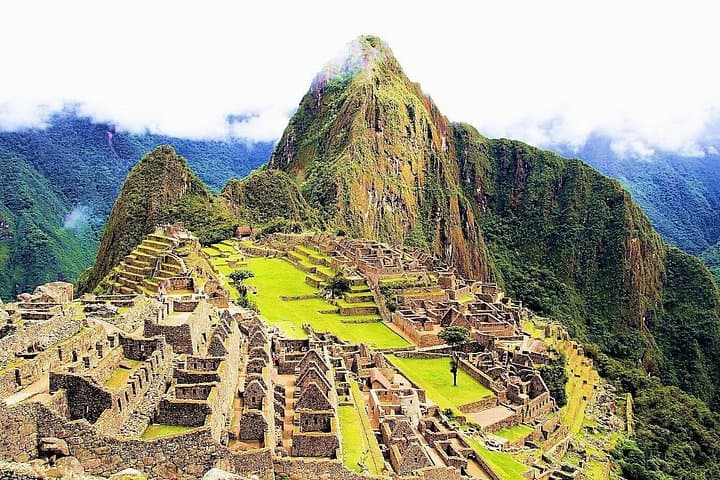
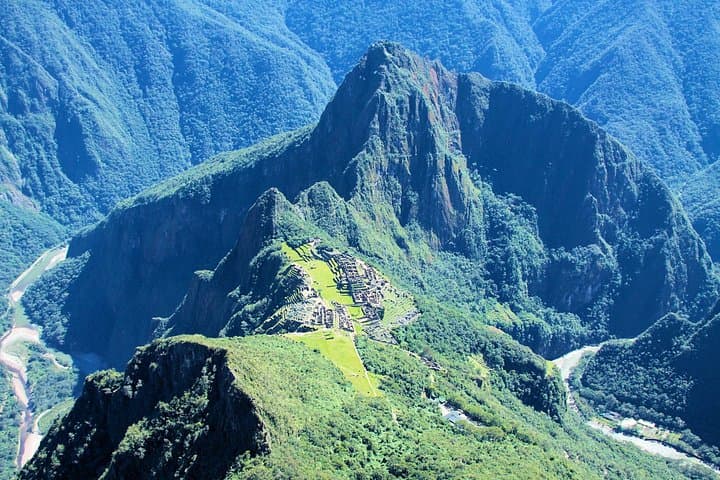
By day two the approach to Machu Picchu (≈2,430 m / 7,970 ft) focuses on stonework and geography: agricultural terraces sinking into the mountain, urban sectors of temples and plazas, and stairways that channel wind and cloud. Visiting involves 2–3 km of walking across uneven stone and steps, with short, steep gains in elevation as you move between viewpoints.
Practical guidance: acclimatize in Cusco (3,400 m) for a day if possible, wear sturdy shoes with good traction, and layer for rapid weather shifts—sun, wind and afternoon rain are all possible. Carry water, sunscreen, a small first-aid kit and cash for local purchases. Plan to arrive early at Machu Picchu to catch better light and lighter crowds; the Vistadome train ride from Ollantaytambo to Aguas Calientes takes roughly 1.5–2 hours and offers panoramic windows.
This two-day circuit balances cultural context with accessible hiking and transit, giving a compact, sheltered window into Inca engineering and Andean ecology.
This package lists admissions as included; confirm at booking and carry your passport—ticket names must match passport details.
Expect 2–3 km of walking with uneven stone and stair sections; uphill and downhill segments are short but stepped.
Yes—Cusco sits around 3,400 m; allow a rest day or take light activity to reduce symptoms like headache or nausea.
The tour uses a scenic Vista-type train from the Sacred Valley to Aguas Calientes, typically about 1.5–2 hours depending on schedule.
Peru4Fun Servicios Turísticos EIRL operates guided outdoor trips and adventures with an emphasis on safety, stewardship, and memorable experiences.
Dawn lifts a pale ribbon of light across the steep terraces of the Sacred Valley as the tour departs Cusco, altitude still humming in the lungs. The Urubamba River threads the valley below, urging the train and bus toward Ollantaytambo’s stones and the steamed cloud-forests above Machu Picchu Pueblo.
Dawn lifts a pale ribbon of light across the steep terraces of the Sacred Valley as the tour departs Cusco, altitude still humming in the lungs. The Urubamba River threads the valley below, urging the train and bus toward Ollantaytambo’s stones and the steamed cloud-forests above Machu Picchu Pueblo.
On day one the route moves through living Inca landscapes: Chinchero’s textile markets, the salt pans of Maras clinging to a mountainside, and Moray’s concentric agricultural bowls carved at roughly 3,500 m. These sites reveal Inca ingenuity—microclimates engineered by elevation and terracing that shaped local food systems and social life.
By day two the approach to Machu Picchu (≈2,430 m / 7,970 ft) focuses on stonework and geography: agricultural terraces sinking into the mountain, urban sectors of temples and plazas, and stairways that channel wind and cloud. Visiting involves 2–3 km of walking across uneven stone and steps, with short, steep gains in elevation as you move between viewpoints.
Practical guidance: acclimatize in Cusco (3,400 m) for a day if possible, wear sturdy shoes with good traction, and layer for rapid weather shifts—sun, wind and afternoon rain are all possible. Carry water, sunscreen, a small first-aid kit and cash for local purchases. Plan to arrive early at Machu Picchu to catch better light and lighter crowds; the Vistadome train ride from Ollantaytambo to Aguas Calientes takes roughly 1.5–2 hours and offers panoramic windows.
This two-day circuit balances cultural context with accessible hiking and transit, giving a compact, sheltered window into Inca engineering and Andean ecology.