THE ADVENTURE COLLECTIVE® · Independent discovery and booking for outdoor travel

Two days of concentrated history and highland scenery—visit Chinchero, Moray, Maras, Ollantaytambo, and finish at Machu Picchu with a guided tour. Perfect if you want the Sacred Valley’s highlights with train travel to Aguas Calientes and an interpretive guide.
Two days of concentrated history and highland scenery—visit Chinchero, Moray, Maras, Ollantaytambo, and finish at Machu Picchu with a guided tour. Perfect if you want the Sacred Valley’s highlights with train travel to Aguas Calientes and an interpretive guide.
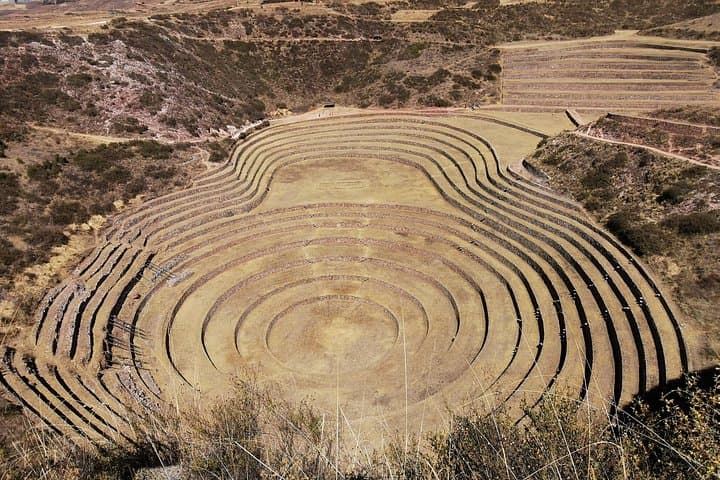
You step out of the van where thin air sharpens every color: terraced fields ripple away toward jagged peaks and the Vilcanota River threads the valley below. Day one winds through living Inca sites—Chinchero’s stone walls and weaving centers, the bowl-like test fields of Moray, and the salt pans at Maras that glint like a patchwork of tiny mirrors—before the train carries you along the river to Aguas Calientes for a night near the mountain.
Verified experiences and guided adventures in the surrounding area.
Operated by Machupicchu Latin America · Cusco, Cusco Region
You step out of the van where thin air sharpens every color: terraced fields ripple away toward jagged peaks and the Vilcanota River threads the valley below. Day one winds through living Inca sites—Chinchero’s stone walls and weaving centers, the bowl-like test fields of Moray, and the salt pans at Maras that glint like a patchwork of tiny mirrors—before the train carries you along the river to Aguas Calientes for a night near the mountain.
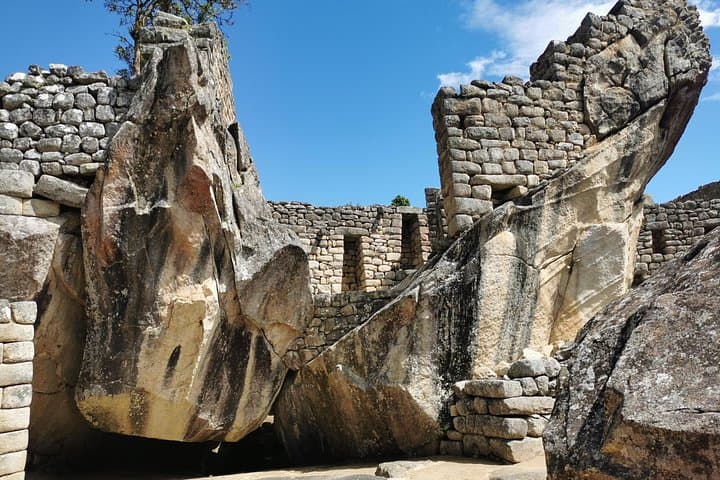
These places map generations: Moray’s concentric terraces are an Inca agricultural laboratory exploiting microclimates, Maras preserves pre-Columbian salt extraction, and Ollantaytambo remains a functioning town with monumental stonework and steep terraces carved into bedrock. Geology is visible in every cut rock and river gorge; the Vilcanota has shaped the valley’s path and the hands of local communities sustain centuries-old textile traditions.
Practically: the tour includes hotel pickup from Cusco, a 3-star night in Aguas Calientes, train tickets (per your option), and a licensed guide. Expect moderate walking on uneven stone at altitude—Cusco sits above 3,300 m while Machu Picchu is about 2,430 m. Acclimatize in Cusco a day or two if you can, carry water, sun protection, and a light rain layer. Mornings bring crisp air and afternoons can be warm and wet; timing sunrise views at Machu Picchu rewards patience and light. The itinerary compresses major highlights into two efficient days—ideal for travelers short on time who still want a measured, interpretive visit to the Sacred Valley and Machu Picchu.
Yes—Cusco is high altitude (≈3,400 m). Allow 24–48 hours to acclimatize, avoid heavy exertion, and hydrate to reduce the risk of altitude sickness.
Train tickets are included as noted by the operator based on your selected option; confirm your class and schedule when booking.
The guided visit covers about 2–3 hours on uneven stone and stairs; optional additional walking (e.g., Huayna Picchu) requires separate permits and more fitness.
Yes, but infants must sit on an adult’s lap per the operator’s policy; consider altitude and the length of travel when bringing young children.
Machupicchu Latin America operates guided outdoor trips and adventures with an emphasis on safety, stewardship, and memorable experiences.


You step out of the van where thin air sharpens every color: terraced fields ripple away toward jagged peaks and the Vilcanota River threads the valley below. Day one winds through living Inca sites—Chinchero’s stone walls and weaving centers, the bowl-like test fields of Moray, and the salt pans at Maras that glint like a patchwork of tiny mirrors—before the train carries you along the river to Aguas Calientes for a night near the mountain.
You step out of the van where thin air sharpens every color: terraced fields ripple away toward jagged peaks and the Vilcanota River threads the valley below. Day one winds through living Inca sites—Chinchero’s stone walls and weaving centers, the bowl-like test fields of Moray, and the salt pans at Maras that glint like a patchwork of tiny mirrors—before the train carries you along the river to Aguas Calientes for a night near the mountain.
These places map generations: Moray’s concentric terraces are an Inca agricultural laboratory exploiting microclimates, Maras preserves pre-Columbian salt extraction, and Ollantaytambo remains a functioning town with monumental stonework and steep terraces carved into bedrock. Geology is visible in every cut rock and river gorge; the Vilcanota has shaped the valley’s path and the hands of local communities sustain centuries-old textile traditions.
Practically: the tour includes hotel pickup from Cusco, a 3-star night in Aguas Calientes, train tickets (per your option), and a licensed guide. Expect moderate walking on uneven stone at altitude—Cusco sits above 3,300 m while Machu Picchu is about 2,430 m. Acclimatize in Cusco a day or two if you can, carry water, sun protection, and a light rain layer. Mornings bring crisp air and afternoons can be warm and wet; timing sunrise views at Machu Picchu rewards patience and light. The itinerary compresses major highlights into two efficient days—ideal for travelers short on time who still want a measured, interpretive visit to the Sacred Valley and Machu Picchu.