THE ADVENTURE COLLECTIVE® · Independent discovery and booking for outdoor travel

A compact two-day itinerary that pairs Pisac and Ollantaytambo with the landmark citadel of Machu Picchu. Expect early starts, altitude, a scenic train to Aguas Calientes, and guided exploration of Inca terraces and temples.
A compact two-day itinerary that pairs Pisac and Ollantaytambo with the landmark citadel of Machu Picchu. Expect early starts, altitude, a scenic train to Aguas Calientes, and guided exploration of Inca terraces and temples.
Morning light cuts across the terraced slopes as the bus winds out of Cusco toward the high valley. Travelers step through Pisac’s market stalls where alpaca textiles and silverwork crowd narrow alleys, then move downstream to the solid stone of Ollantaytambo before boarding the famous train to Aguas Calientes.
Verified experiences and guided adventures in the surrounding area.
Operated by Trek The Colca · Cusco, Cusco
Morning light cuts across the terraced slopes as the bus winds out of Cusco toward the high valley. Travelers step through Pisac’s market stalls where alpaca textiles and silverwork crowd narrow alleys, then move downstream to the solid stone of Ollantaytambo before boarding the famous train to Aguas Calientes.
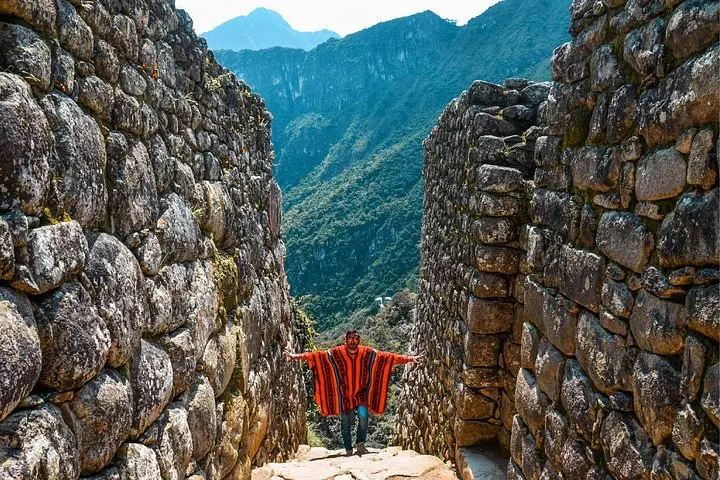
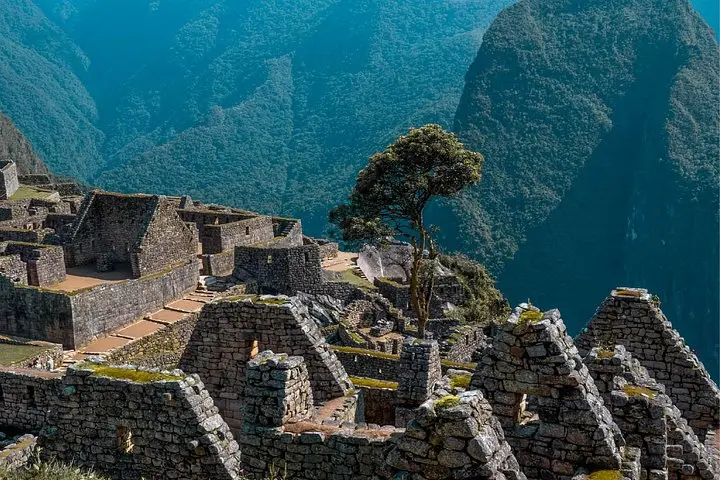
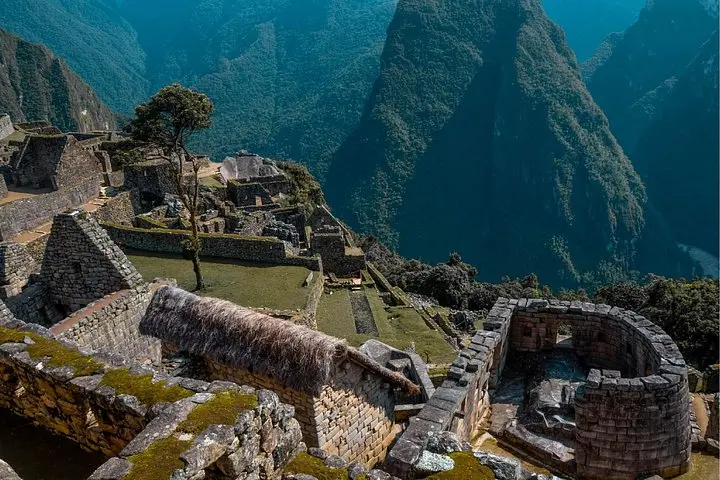
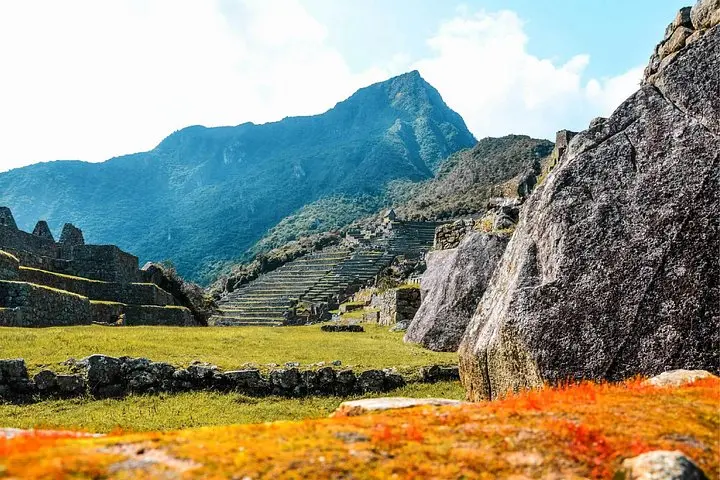
Geology here is dramatic: Andean uplift and glacial carving created steep valley walls, stepped terraces, and rocky outcrops that the Incas reworked into agricultural platforms. Machu Picchu perches on a humid ridge where cloud forest meets mountain; Hiram Bingham reintroduced it to the world in 1911, but the site’s stone masonry and astronomical alignments reflect centuries of Inca engineering and ritual.
Culture remains present in market trade, Quechua language, and herds of llamas that graze the high pastures. Rivers push the landscape, directing trails and train lines through narrow corridors; the jungle pushes back, humid and green.
Practical guidance: the two-day itinerary compresses travel and site time—expect early starts, uphill walking at altitude (Cusco ~3,400 m; Machu Picchu ~2,430 m), and flights of stone steps at the citadel. Wear broken-in hiking shoes with good grip, layer for rapid temperature swings, and carry a small daypack with water, rain shell, and sunscreen. Book Machu Picchu entrance and train seats in advance; allow time to acclimatize in Cusco if possible. The reward is clear: sweeping valley views, precise stonework, and the charged quiet of a site that still asks you to move deliberately through its terraces.
The train takes about 1 hour 45 minutes to 2 hours, depending on the service; the route follows the Urubamba River and offers dramatic valley scenery.
Yes—Cusco sits around 3,400 m; mild altitude symptoms are common. Rest, hydrate, and avoid heavy exertion on arrival; consult a doctor about medication if you have concerns.
This tour includes entrance to Machu Picchu and round-trip train and bus between Ollantaytambo, Aguas Calientes, and the citadel as listed, but specialized permits (e.g., Huayna Picchu) may require advance request.
Expect 2–4 hours of walking on uneven stone, including steps and short steep climbs; the guided circuit covers major sectors and viewpoints.
Trek The Colca operates guided outdoor trips and adventures with an emphasis on safety, stewardship, and memorable experiences.
Morning light cuts across the terraced slopes as the bus winds out of Cusco toward the high valley. Travelers step through Pisac’s market stalls where alpaca textiles and silverwork crowd narrow alleys, then move downstream to the solid stone of Ollantaytambo before boarding the famous train to Aguas Calientes.
Morning light cuts across the terraced slopes as the bus winds out of Cusco toward the high valley. Travelers step through Pisac’s market stalls where alpaca textiles and silverwork crowd narrow alleys, then move downstream to the solid stone of Ollantaytambo before boarding the famous train to Aguas Calientes.
Geology here is dramatic: Andean uplift and glacial carving created steep valley walls, stepped terraces, and rocky outcrops that the Incas reworked into agricultural platforms. Machu Picchu perches on a humid ridge where cloud forest meets mountain; Hiram Bingham reintroduced it to the world in 1911, but the site’s stone masonry and astronomical alignments reflect centuries of Inca engineering and ritual.
Culture remains present in market trade, Quechua language, and herds of llamas that graze the high pastures. Rivers push the landscape, directing trails and train lines through narrow corridors; the jungle pushes back, humid and green.
Practical guidance: the two-day itinerary compresses travel and site time—expect early starts, uphill walking at altitude (Cusco ~3,400 m; Machu Picchu ~2,430 m), and flights of stone steps at the citadel. Wear broken-in hiking shoes with good grip, layer for rapid temperature swings, and carry a small daypack with water, rain shell, and sunscreen. Book Machu Picchu entrance and train seats in advance; allow time to acclimatize in Cusco if possible. The reward is clear: sweeping valley views, precise stonework, and the charged quiet of a site that still asks you to move deliberately through its terraces.