THE ADVENTURE COLLECTIVE® · Independent discovery and booking for outdoor travel

Two days of highland travel that pair the Sacred Valley’s markets and Inca terraces with a scenic train ride to Machu Picchu. This compact overnight tour includes guided visits, train and bus transfers, and one night in Aguas Calientes.
Two days of highland travel that pair the Sacred Valley’s markets and Inca terraces with a scenic train ride to Machu Picchu. This compact overnight tour includes guided visits, train and bus transfers, and one night in Aguas Calientes.
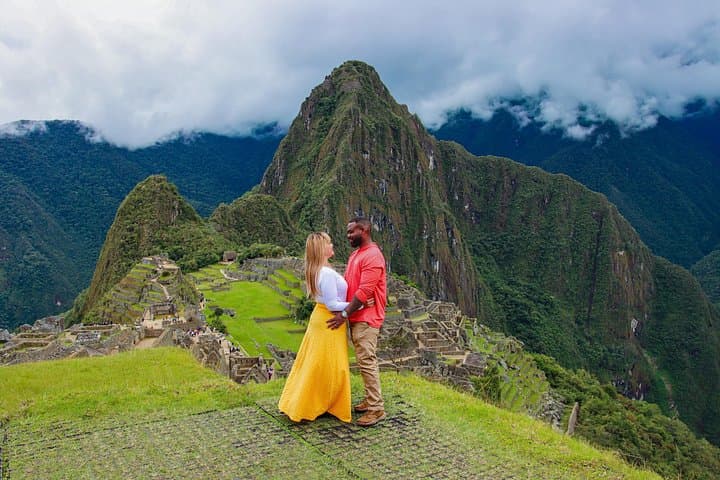
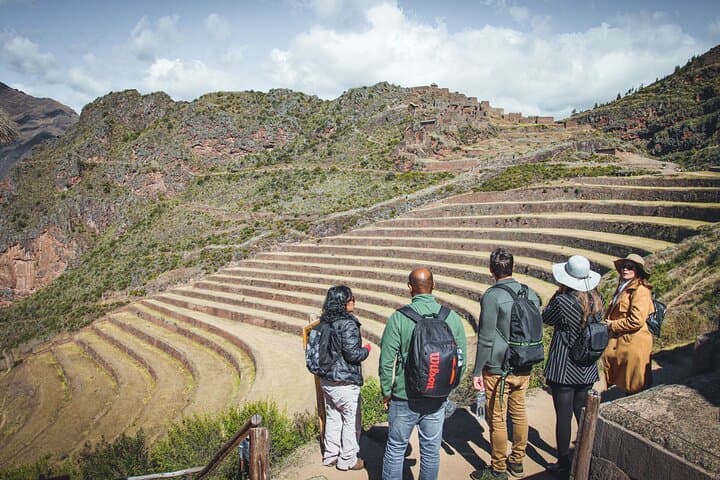
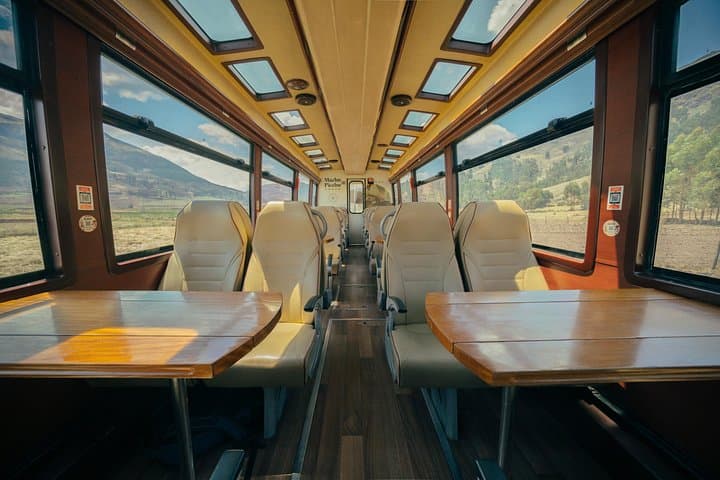
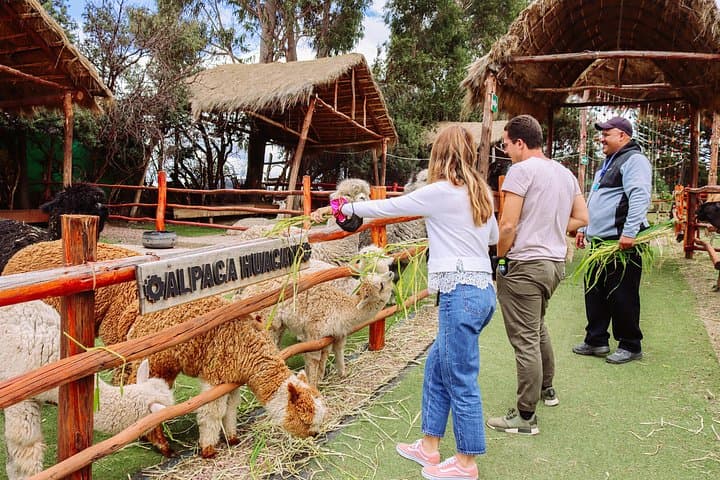
The train eases out of the highland town of Ollantaytambo as terraces and steep green ribs of the Andes press close to the windows. You feel the altitude in the breath you take; the Urubamba River below seems to dare the valley to keep up as it cuts ribbon-like through stone. On day one the route stitches together living Andean culture — an alpaca farm where camelids lift their heads for feed — with strategic Inca sites that still hold terraces, water channels and stairways carved for empire.
Verified experiences and guided adventures in the surrounding area.
Operated by FLY CUSCO Perú Travel Agency · Cusco, Cusco Region
The train eases out of the highland town of Ollantaytambo as terraces and steep green ribs of the Andes press close to the windows. You feel the altitude in the breath you take; the Urubamba River below seems to dare the valley to keep up as it cuts ribbon-like through stone. On day one the route stitches together living Andean culture — an alpaca farm where camelids lift their heads for feed — with strategic Inca sites that still hold terraces, water channels and stairways carved for empire.
This corridor was the agricultural backbone of the Inca world and a defensive approach to Machu Picchu; geology here is steep schist and volcanic intrusions shaped by uplift and river incision, producing narrow valleys and microclimates. The Pisac market offers a direct glimpse of Quechua craft traditions, while Ollantaytambo’s fortress complexes recall the Spanish campaigns that reshaped the highlands.
Practical notes structure the experience: trains from Ollantaytambo to Aguas Calientes take about 1.5 hours (choose panoramic Vistadome for clearer views), and Machu Picchu visits are time‑shifted — expect an early morning entrance for the best light and fewer people. Bring layered clothing for big temperature swings, a small overnight bag (leave the rest in Cusco), and hydrate several days before travel to reduce altitude effects. Expect comfortable transport, a buffet lunch in the valley, one night in Aguas Calientes and an expert guide on both days.
This is a travel rhythm of moving between terraces, markets and stone cities: active but accessible, culturally rich and unmistakably Andean.
The train ride is about 1.5 hours each way; times vary slightly by service and stops along the Urubamba valley.
Yes—this package includes Machu Picchu entrance ticket, round‑trip train (selected class), bus transfers to the citadel and hotel pick‑up/drop‑off as listed.
Walking involves uneven stone steps and short steep sections; the standard guided circuit is moderate and manageable for most visitors who move at a steady pace.
Yes—many hotels and the tour operator offer luggage storage in Cusco so you only take a small overnight bag to Aguas Calientes.
FLY CUSCO Perú Travel Agency operates guided outdoor trips and adventures with an emphasis on safety, stewardship, and memorable experiences.
The train eases out of the highland town of Ollantaytambo as terraces and steep green ribs of the Andes press close to the windows. You feel the altitude in the breath you take; the Urubamba River below seems to dare the valley to keep up as it cuts ribbon-like through stone. On day one the route stitches together living Andean culture — an alpaca farm where camelids lift their heads for feed — with strategic Inca sites that still hold terraces, water channels and stairways carved for empire.
The train eases out of the highland town of Ollantaytambo as terraces and steep green ribs of the Andes press close to the windows. You feel the altitude in the breath you take; the Urubamba River below seems to dare the valley to keep up as it cuts ribbon-like through stone. On day one the route stitches together living Andean culture — an alpaca farm where camelids lift their heads for feed — with strategic Inca sites that still hold terraces, water channels and stairways carved for empire.
This corridor was the agricultural backbone of the Inca world and a defensive approach to Machu Picchu; geology here is steep schist and volcanic intrusions shaped by uplift and river incision, producing narrow valleys and microclimates. The Pisac market offers a direct glimpse of Quechua craft traditions, while Ollantaytambo’s fortress complexes recall the Spanish campaigns that reshaped the highlands.
Practical notes structure the experience: trains from Ollantaytambo to Aguas Calientes take about 1.5 hours (choose panoramic Vistadome for clearer views), and Machu Picchu visits are time‑shifted — expect an early morning entrance for the best light and fewer people. Bring layered clothing for big temperature swings, a small overnight bag (leave the rest in Cusco), and hydrate several days before travel to reduce altitude effects. Expect comfortable transport, a buffet lunch in the valley, one night in Aguas Calientes and an expert guide on both days.
This is a travel rhythm of moving between terraces, markets and stone cities: active but accessible, culturally rich and unmistakably Andean.