THE ADVENTURE COLLECTIVE® · Independent discovery and booking for outdoor travel

A compact two-day route that pairs Sacred Valley culture with the Short Inca Trail to Machu Picchu. Hike 13 km from Km 104 to the Sun Gate, sleep in a geodesic dome, and enter Machu Picchu via the upper circuit reserved for trail hikers.
A compact two-day route that pairs Sacred Valley culture with the Short Inca Trail to Machu Picchu. Hike 13 km from Km 104 to the Sun Gate, sleep in a geodesic dome, and enter Machu Picchu via the upper circuit reserved for trail hikers.
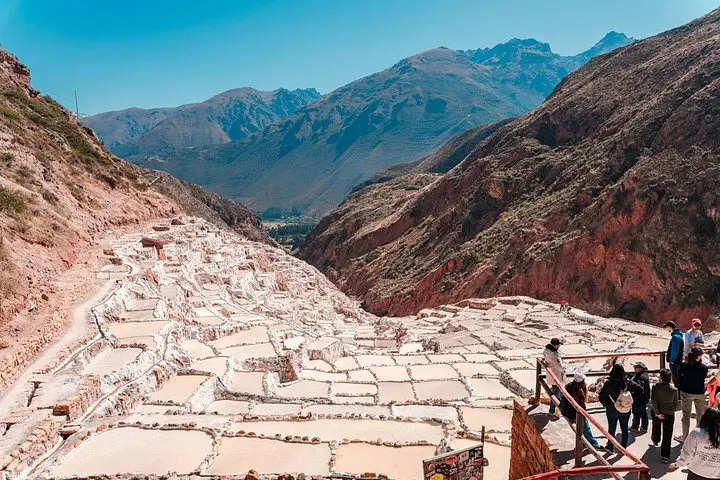
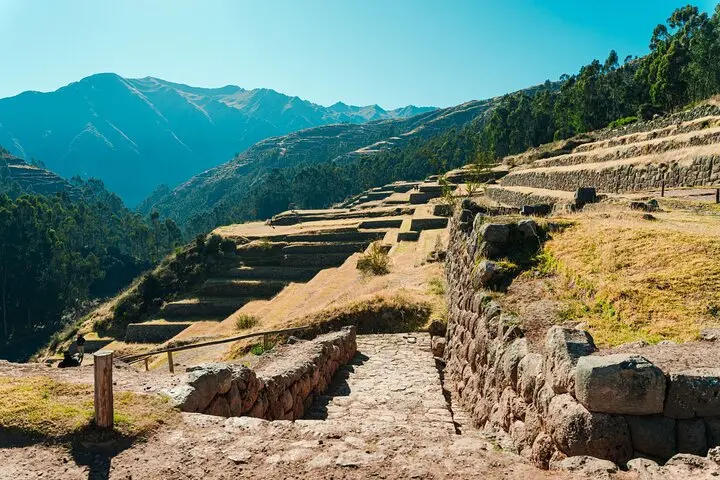
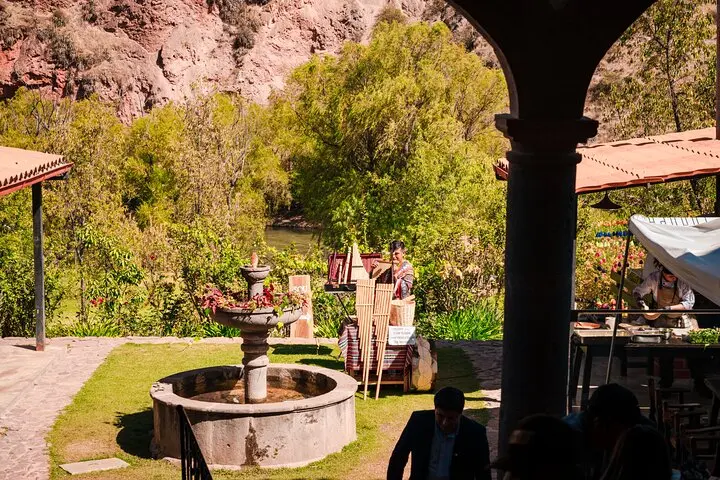
Dawn breaks over terraced hills as your group pulls away from Cusco and the valley exhales mist. The first day moves like a measured walk through history: alpaca farms and dye houses, the zigzag walls of Pisac, and the salt pans of Maras carved into the hillside like a patchwork of white. By evening you’re sleeping in a geodesic dome under the high plain where stars feel close enough to count.
Verified experiences and guided adventures in the surrounding area.
Operated by Peru Trekkers · Cusco, Cusco
Dawn breaks over terraced hills as your group pulls away from Cusco and the valley exhales mist. The first day moves like a measured walk through history: alpaca farms and dye houses, the zigzag walls of Pisac, and the salt pans of Maras carved into the hillside like a patchwork of white. By evening you’re sleeping in a geodesic dome under the high plain where stars feel close enough to count.
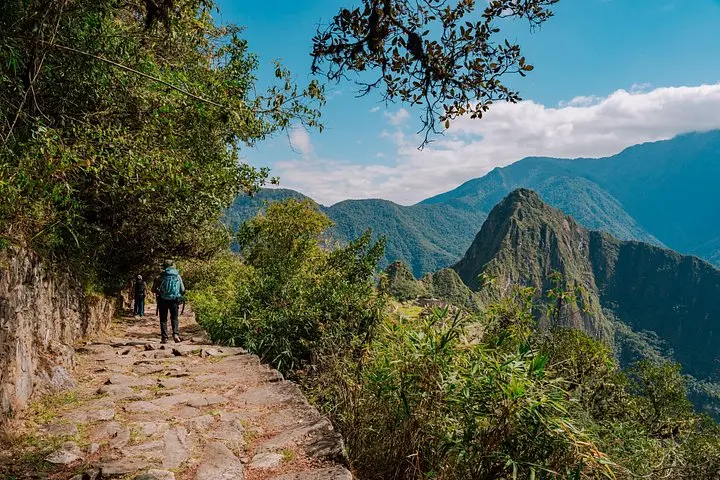
The second day shifts from high valley to cloud forest. A short train to Km 104 delivers you to Chachabamba and the Short Inca Trail — a 13 km, 6–7 hour hike that threads alongside original Inca stonework, waterfalls and the planted terraces of Wiñay Wayna. The trail climbs steadily toward Inti Punku (Sun Gate) at roughly 2,720 m, where your first full view of Machu Picchu opens along the upper circuit reserved for trail hikers.
This route mixes geology and culture: the Vilcanota range frames granitic outcrops and steep river valleys while Inca masonry demonstrates exacting stone-fit techniques. Markets in the Sacred Valley remain a living craft economy; Quechua-speaking communities maintain weaving and dyeing traditions passed down generations.
Practicalities are straightforward: moderate fitness, sturdy footwear, layered clothing for rapid weather changes, and time to acclimatize in Cusco beforehand. Guides handle permits, trains and the logistics of return to Cusco, but pack light, move deliberately on stone steps, and bring water and snacks for the long trail. The payoff is direct — arriving through the Sun Gate at sunset or sunrise, when the ruins reveal themselves like a place reclaimed by sky and stone.
Yes—entry to the Short Inca Trail and Machu Picchu is regulated; reputable tour operators include the necessary permits and time-slot reservations.
The trail is moderate: roughly 13 km with sustained uphill sections and stairs; expect 6–7 hours at a relaxed pace plus stops at Chachabamba and Wiñay Wayna.
The tour includes accommodation in geodesic domes or an eco-lodge in the Sacred Valley near Ollantaytambo, offering a restful stop before the trail.
Beginners in reasonable physical condition can complete it, but prior acclimatization and preparation for sustained walking are important.
Peru Trekkers operates guided outdoor trips and adventures with an emphasis on safety, stewardship, and memorable experiences.
Dawn breaks over terraced hills as your group pulls away from Cusco and the valley exhales mist. The first day moves like a measured walk through history: alpaca farms and dye houses, the zigzag walls of Pisac, and the salt pans of Maras carved into the hillside like a patchwork of white. By evening you’re sleeping in a geodesic dome under the high plain where stars feel close enough to count.
Dawn breaks over terraced hills as your group pulls away from Cusco and the valley exhales mist. The first day moves like a measured walk through history: alpaca farms and dye houses, the zigzag walls of Pisac, and the salt pans of Maras carved into the hillside like a patchwork of white. By evening you’re sleeping in a geodesic dome under the high plain where stars feel close enough to count.
The second day shifts from high valley to cloud forest. A short train to Km 104 delivers you to Chachabamba and the Short Inca Trail — a 13 km, 6–7 hour hike that threads alongside original Inca stonework, waterfalls and the planted terraces of Wiñay Wayna. The trail climbs steadily toward Inti Punku (Sun Gate) at roughly 2,720 m, where your first full view of Machu Picchu opens along the upper circuit reserved for trail hikers.
This route mixes geology and culture: the Vilcanota range frames granitic outcrops and steep river valleys while Inca masonry demonstrates exacting stone-fit techniques. Markets in the Sacred Valley remain a living craft economy; Quechua-speaking communities maintain weaving and dyeing traditions passed down generations.
Practicalities are straightforward: moderate fitness, sturdy footwear, layered clothing for rapid weather changes, and time to acclimatize in Cusco beforehand. Guides handle permits, trains and the logistics of return to Cusco, but pack light, move deliberately on stone steps, and bring water and snacks for the long trail. The payoff is direct — arriving through the Sun Gate at sunset or sunrise, when the ruins reveal themselves like a place reclaimed by sky and stone.