THE ADVENTURE COLLECTIVE® · Independent discovery and booking for outdoor travel

Two days of concentrated wildlife viewing: chase elephant herds in Tarangire and descend into the volcanic bowl of Ngorongoro for big-five sightings. Early starts, picnic lunches and one overnight at a campsite make this a compact, camera-ready safari.
Two days of concentrated wildlife viewing: chase elephant herds in Tarangire and descend into the volcanic bowl of Ngorongoro for big-five sightings. Early starts, picnic lunches and one overnight at a campsite make this a compact, camera-ready safari.
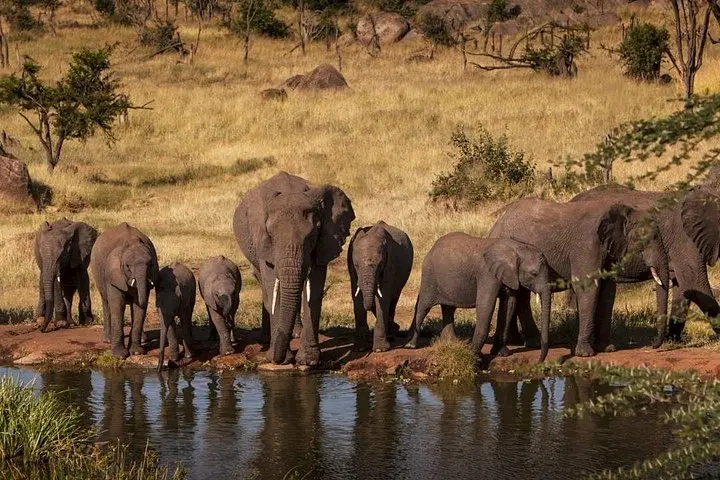
Dust from Arusha’s tarmac lifts as your vehicle turns toward the savanna; dry grasslines shimmer and the skyline widens into a panorama of termite mounds and distant acacia. On day one the road delivers you to Tarangire where elephant herds move like a slow current and baobabs stand with weathered faces. Game drives thread through riverine forest and open plains; birds punctuate the air with sudden color.
Verified experiences and guided adventures in the surrounding area.
Operated by Simba Adventures · Arusha, Arusha Region
Dust from Arusha’s tarmac lifts as your vehicle turns toward the savanna; dry grasslines shimmer and the skyline widens into a panorama of termite mounds and distant acacia. On day one the road delivers you to Tarangire where elephant herds move like a slow current and baobabs stand with weathered faces. Game drives thread through riverine forest and open plains; birds punctuate the air with sudden color.
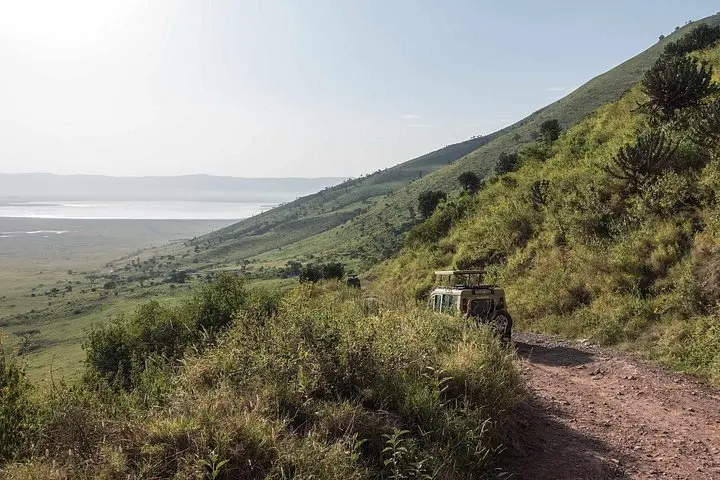
Geology and human history are close at hand. Ngorongoro’s crater is the collapsed caldera of an ancient volcano—an amphitheater of grasslands ringed by steep walls. The area is also home to Maasai pastoralists whose grazing patterns and cultural presence shape local land use and wildlife movements. Expect to learn about both the crater’s volcanic origins and contemporary conservation efforts that balance community livelihoods and biodiversity.
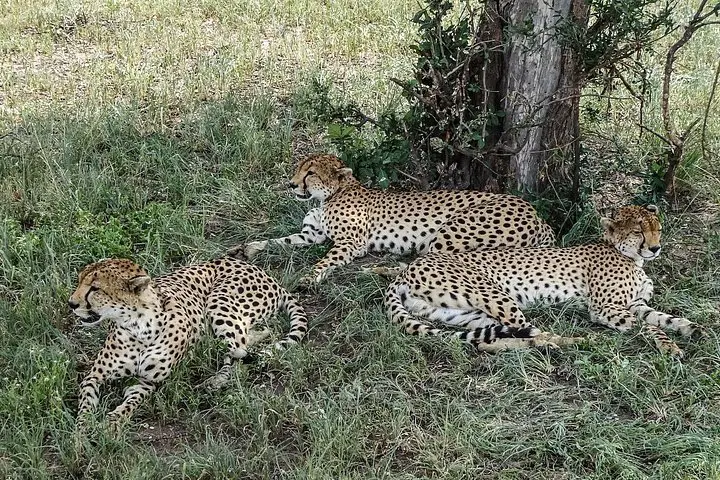
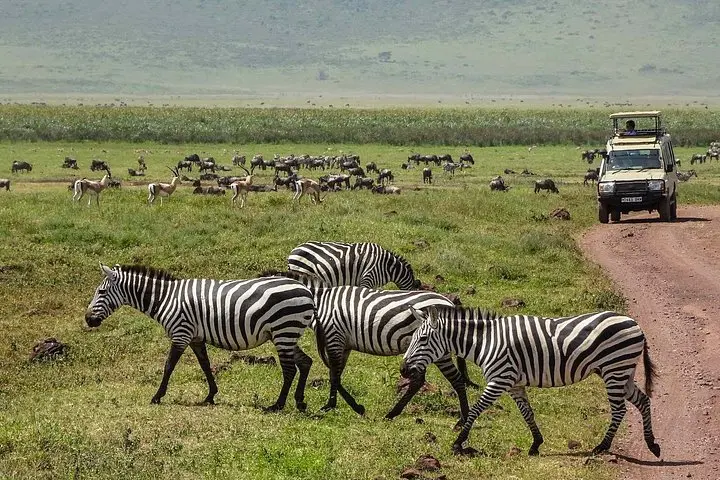
Practically, the pace is straightforward: early departures, long but comfortable drives, picnic lunches and a single campsite night. Game viewing is best in the cooler morning and late afternoon; midday light is brighter but less active. Vehicles follow established tracks; guides will position you to observe lions, buffalo, elephants and, if lucky, resident black rhinos in Ngorongoro. Bring binoculars and cameras with long lenses, dress in layers for temperature swings, and carry water—hydration makes long drives pleasant.
This itinerary condenses two flagship sites into a tight window: it’s ideal if you want intense wildlife viewing without committing to a full week, but be prepared for early starts, bumpy roads and rapid transitions between landscapes.
Tarangire is roughly 2–3 hours from Arusha depending on road conditions; Ngorongoro Crater is about 3–4 hours. Expect long but scenic drives between sites.
Yes—vehicles and roads accommodate a wide range of ages and fitness levels; inform the operator of special needs so they can provide appropriate pickup and seating.
This itinerary lists fees and campsite accommodation as included; confirm entry fees, vehicle permits and any optional extras before booking.
Check travel-health advisories for Tanzania; malaria prophylaxis is commonly recommended for northern circuit parks and routine vaccines should be up to date.
Simba Adventures operates guided outdoor trips and adventures with an emphasis on safety, stewardship, and memorable experiences.
Dust from Arusha’s tarmac lifts as your vehicle turns toward the savanna; dry grasslines shimmer and the skyline widens into a panorama of termite mounds and distant acacia. On day one the road delivers you to Tarangire where elephant herds move like a slow current and baobabs stand with weathered faces. Game drives thread through riverine forest and open plains; birds punctuate the air with sudden color.
Dust from Arusha’s tarmac lifts as your vehicle turns toward the savanna; dry grasslines shimmer and the skyline widens into a panorama of termite mounds and distant acacia. On day one the road delivers you to Tarangire where elephant herds move like a slow current and baobabs stand with weathered faces. Game drives thread through riverine forest and open plains; birds punctuate the air with sudden color.
Geology and human history are close at hand. Ngorongoro’s crater is the collapsed caldera of an ancient volcano—an amphitheater of grasslands ringed by steep walls. The area is also home to Maasai pastoralists whose grazing patterns and cultural presence shape local land use and wildlife movements. Expect to learn about both the crater’s volcanic origins and contemporary conservation efforts that balance community livelihoods and biodiversity.
Practically, the pace is straightforward: early departures, long but comfortable drives, picnic lunches and a single campsite night. Game viewing is best in the cooler morning and late afternoon; midday light is brighter but less active. Vehicles follow established tracks; guides will position you to observe lions, buffalo, elephants and, if lucky, resident black rhinos in Ngorongoro. Bring binoculars and cameras with long lenses, dress in layers for temperature swings, and carry water—hydration makes long drives pleasant.
This itinerary condenses two flagship sites into a tight window: it’s ideal if you want intense wildlife viewing without committing to a full week, but be prepared for early starts, bumpy roads and rapid transitions between landscapes.