THE ADVENTURE COLLECTIVE® · Independent discovery and booking for outdoor travel

Two intense days of game drives that combine Tarangire’s elephant-filled plains with the unique ecology of Ngorongoro Crater. Expect early starts, close wildlife viewing and an overnight in Karatu between parks.
Two intense days of game drives that combine Tarangire’s elephant-filled plains with the unique ecology of Ngorongoro Crater. Expect early starts, close wildlife viewing and an overnight in Karatu between parks.
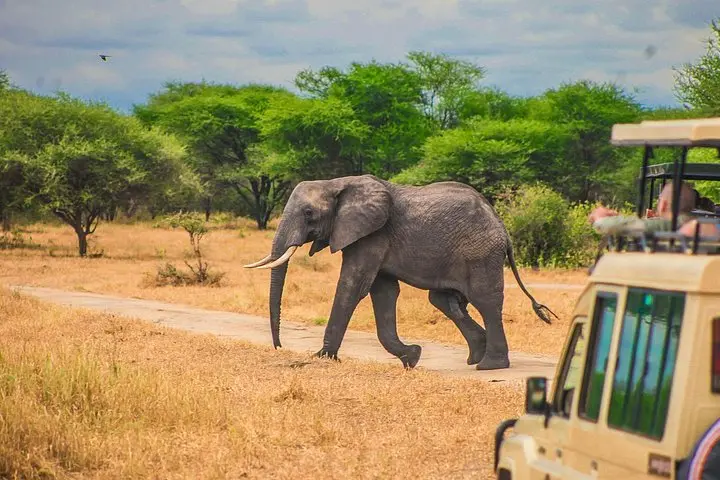
Dawn breaks over acacia silhouettes as a 4x4 eases onto a red-soil track; the plain smells of dry grass and diesel, and somewhere ahead a herd of elephants is already on the move. This two-day circuit pushes from the baobab-swept flats of Tarangire into the vast bowl of Ngorongoro—an intact caldera whose rim holds a compressed world of predators and plains game.
Verified experiences and guided adventures in the surrounding area.
Operated by Flash Tours Zanzibar · Karatu, Arusha Region
Dawn breaks over acacia silhouettes as a 4x4 eases onto a red-soil track; the plain smells of dry grass and diesel, and somewhere ahead a herd of elephants is already on the move. This two-day circuit pushes from the baobab-swept flats of Tarangire into the vast bowl of Ngorongoro—an intact caldera whose rim holds a compressed world of predators and plains game.
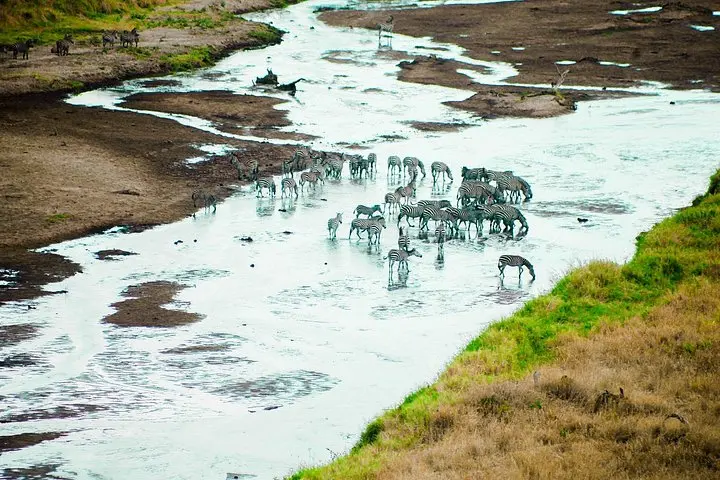
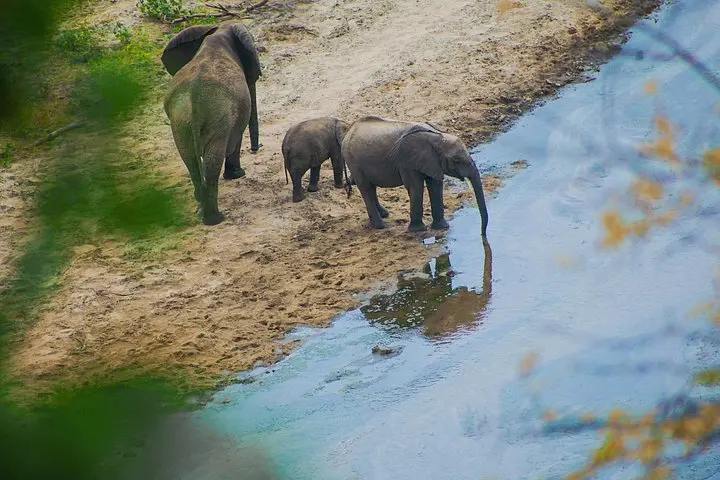
Tarangire (roughly 2,600 km²) is famed for its seasonal mini-migration and elephant concentrations; the park’s river pulls herds like a magnet in dry months. Ngorongoro Crater, a collapsed volcano roughly 19–20 km across and several hundred meters deep, contains unusually high densities of wildlife and globally significant species, and sits within a landscape littered with archaeological sites—hominid footprints and Olduvai Gorge artifacts speak to deep human history here.
Culturally, the Arusha Region combines Maasai pastoral traditions with conservation-driven tourism—expect to encounter local guides and small villages around Karatu. Geologically the crater is a single, intact caldera; its rim offers sudden elevation change and cooler air, so layers matter.
Practical guidance: itineraries typically include early starts for soft light and active animals, a full six-hour crater game drive, and an overnight in Karatu lodges. Pack binoculars, sun protection, insect repellent and a warm jacket for rim ascents. Respect park rules: keep distance from wildlife, stay in vehicles where required, and confirm which park fees are included with your operator. Travel between Zanzibar and the mainland requires a flight or ferry plus a domestic transfer to Arusha; plan buffer time for connections.
This short safari compresses two of Tanzania’s most accessible wildlife showcases into a tight, rewarding loop—ideal for travelers wanting high-impact viewing on a brief schedule.
The itinerary does not clearly list crater or park entrance fees—confirm with your operator; many bookings require payment of conservation and crater fees locally or add them to the rate.
Travelers usually fly from Zanzibar to the mainland (Arusha or Kilimanjaro area) or take a ferry plus a domestic flight; the itinerary begins at Arusha Airport so allow connection time.
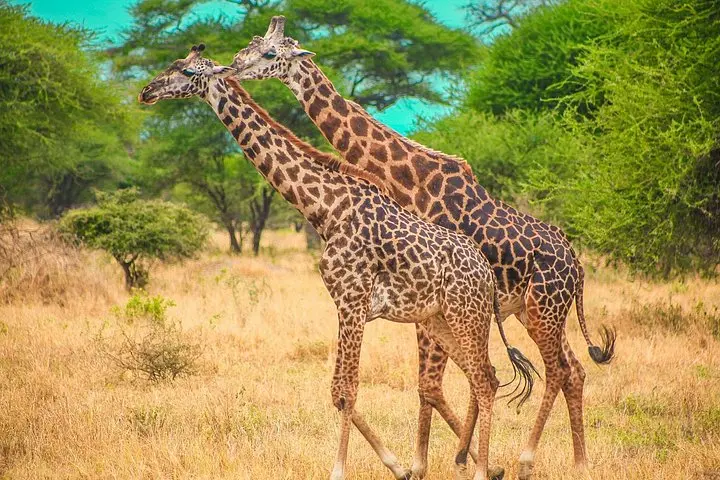
Ngorongoro has a high concentration of species including elephants, lions and black rhino, so Big Five sightings are possible but not guaranteed due to wildlife movement.
The tour notes it is not recommended for pregnant travelers and requires moderate fitness; check age restrictions and medical suitability with the operator before booking.
Flash Tours Zanzibar operates guided outdoor trips and adventures with an emphasis on safety, stewardship, and memorable experiences.
Dawn breaks over acacia silhouettes as a 4x4 eases onto a red-soil track; the plain smells of dry grass and diesel, and somewhere ahead a herd of elephants is already on the move. This two-day circuit pushes from the baobab-swept flats of Tarangire into the vast bowl of Ngorongoro—an intact caldera whose rim holds a compressed world of predators and plains game.
Dawn breaks over acacia silhouettes as a 4x4 eases onto a red-soil track; the plain smells of dry grass and diesel, and somewhere ahead a herd of elephants is already on the move. This two-day circuit pushes from the baobab-swept flats of Tarangire into the vast bowl of Ngorongoro—an intact caldera whose rim holds a compressed world of predators and plains game.
Tarangire (roughly 2,600 km²) is famed for its seasonal mini-migration and elephant concentrations; the park’s river pulls herds like a magnet in dry months. Ngorongoro Crater, a collapsed volcano roughly 19–20 km across and several hundred meters deep, contains unusually high densities of wildlife and globally significant species, and sits within a landscape littered with archaeological sites—hominid footprints and Olduvai Gorge artifacts speak to deep human history here.
Culturally, the Arusha Region combines Maasai pastoral traditions with conservation-driven tourism—expect to encounter local guides and small villages around Karatu. Geologically the crater is a single, intact caldera; its rim offers sudden elevation change and cooler air, so layers matter.
Practical guidance: itineraries typically include early starts for soft light and active animals, a full six-hour crater game drive, and an overnight in Karatu lodges. Pack binoculars, sun protection, insect repellent and a warm jacket for rim ascents. Respect park rules: keep distance from wildlife, stay in vehicles where required, and confirm which park fees are included with your operator. Travel between Zanzibar and the mainland requires a flight or ferry plus a domestic transfer to Arusha; plan buffer time for connections.
This short safari compresses two of Tanzania’s most accessible wildlife showcases into a tight, rewarding loop—ideal for travelers wanting high-impact viewing on a brief schedule.