THE ADVENTURE COLLECTIVE® · Independent discovery and booking for outdoor travel

Two days of concentrated safari across Tarangire’s baobab-studded plains and the vast Ngorongoro Crater floor deliver dense wildlife viewing—elephant herds, predators, and dramatic crater geography—packed into a practical overnight itinerary.
Two days of concentrated safari across Tarangire’s baobab-studded plains and the vast Ngorongoro Crater floor deliver dense wildlife viewing—elephant herds, predators, and dramatic crater geography—packed into a practical overnight itinerary.
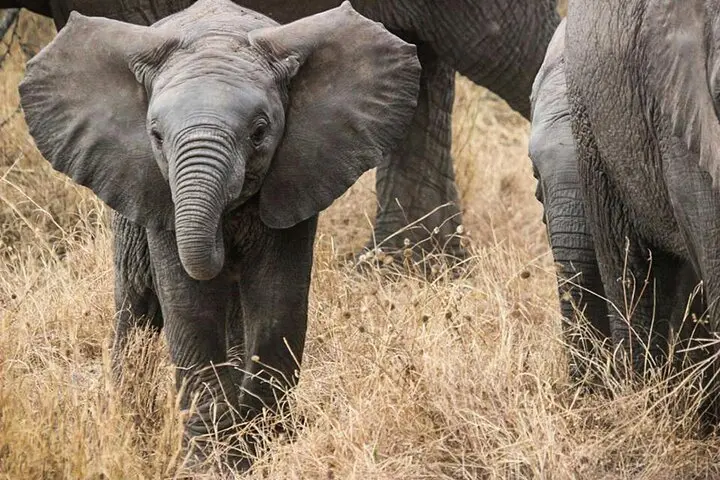
Dust lifts off the red earth as your 4x4 threads a track between towering baobabs and scrub acacia; in the distance elephant silhouettes move like slow ships across the plain. Morning light slices across Tarangire’s river corridor, and on day two the rim of Ngorongoro opens like a caldera-shaped amphitheater, revealing a mosaic of forest, grassland and watering holes.
Verified experiences and guided adventures in the surrounding area.
Operated by Safari Stride · Karatu, Manyara Region
Dust lifts off the red earth as your 4x4 threads a track between towering baobabs and scrub acacia; in the distance elephant silhouettes move like slow ships across the plain. Morning light slices across Tarangire’s river corridor, and on day two the rim of Ngorongoro opens like a caldera-shaped amphitheater, revealing a mosaic of forest, grassland and watering holes.
The landscape here records time in volcanic collapse and riverine curves: Ngorongoro is a 264 km² unfilled caldera more than 600 m deep, created when an ancient volcano gave way, while Tarangire’s floodplain and nine vegetation zones nourish some of Tanzania’s largest elephant herds. Maasai pastoralists have lived around these parks for generations, sharing grazing land inside the Ngorongoro Conservation Area under a managed-use model that contrasts with strictly protected national parks.
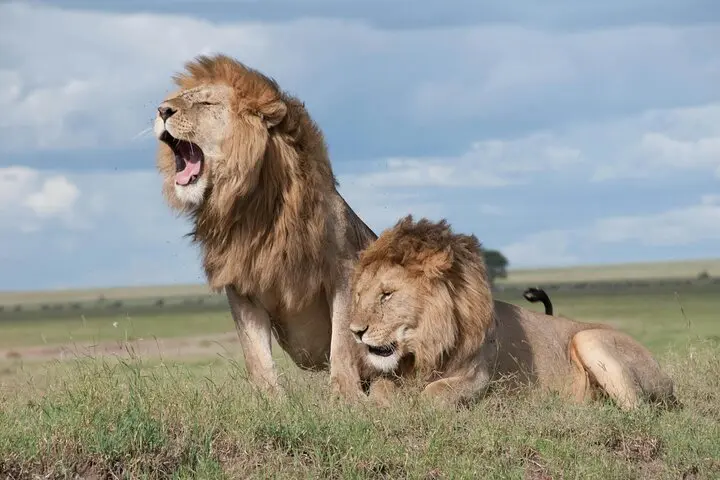
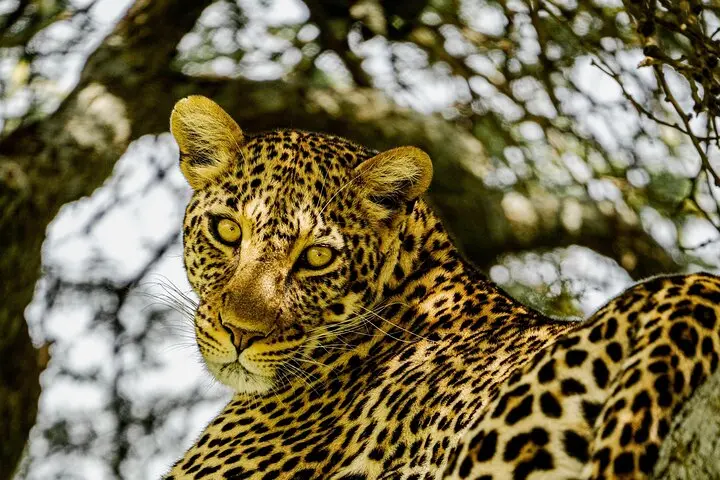
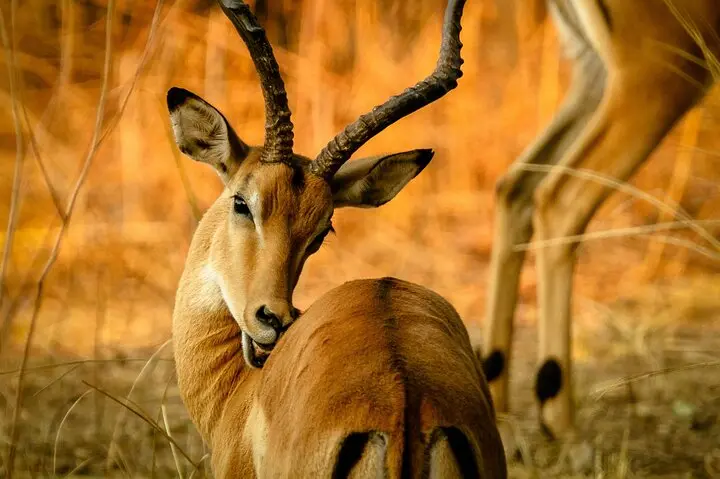
Expect long game drives from dawn to late afternoon, picnic lunches at designated viewpoints, and sustained wildlife viewing—Tarangire for elephant families and baobabs, Ngorongoro for dense concentrations of predators and plains mammals on a compact crater floor. Guides read spoor, steer quiet approaches, and manage timing to catch waterhole action.
Practical edge: travel light but prepared—early starts mean layers for chilly game drives, sunscreen and plenty of water for midday, and binoculars for observing shy species. Roads can be bumpy; motion-sickness remedies help. Book park fees and vehicle access in advance when possible, and plan accommodations either in Karatu or Arusha depending on your outbound flights. Respect viewing distances and follow your guide: the wild here has habits and rules of its own.
Options typically include a night at a lodge or tented camp near Tarangire or Karatu; confirm pickup and drop-off locations when booking and whether accommodation is included.
Check the tour inclusion list—many packages include transport, lunch and taxes but park entrance fees are sometimes additional; verify before payment.
Children can join; infants may be required to sit on laps and infant seats can be requested—confirm age limits and safety arrangements with the operator.
Malaria risk exists—consult a travel health clinic for up-to-date advice on prophylaxis and recommended vaccinations well before travel.
Safari Stride operates guided outdoor trips and adventures with an emphasis on safety, stewardship, and memorable experiences.
Dust lifts off the red earth as your 4x4 threads a track between towering baobabs and scrub acacia; in the distance elephant silhouettes move like slow ships across the plain. Morning light slices across Tarangire’s river corridor, and on day two the rim of Ngorongoro opens like a caldera-shaped amphitheater, revealing a mosaic of forest, grassland and watering holes.
Dust lifts off the red earth as your 4x4 threads a track between towering baobabs and scrub acacia; in the distance elephant silhouettes move like slow ships across the plain. Morning light slices across Tarangire’s river corridor, and on day two the rim of Ngorongoro opens like a caldera-shaped amphitheater, revealing a mosaic of forest, grassland and watering holes.
The landscape here records time in volcanic collapse and riverine curves: Ngorongoro is a 264 km² unfilled caldera more than 600 m deep, created when an ancient volcano gave way, while Tarangire’s floodplain and nine vegetation zones nourish some of Tanzania’s largest elephant herds. Maasai pastoralists have lived around these parks for generations, sharing grazing land inside the Ngorongoro Conservation Area under a managed-use model that contrasts with strictly protected national parks.
Expect long game drives from dawn to late afternoon, picnic lunches at designated viewpoints, and sustained wildlife viewing—Tarangire for elephant families and baobabs, Ngorongoro for dense concentrations of predators and plains mammals on a compact crater floor. Guides read spoor, steer quiet approaches, and manage timing to catch waterhole action.
Practical edge: travel light but prepared—early starts mean layers for chilly game drives, sunscreen and plenty of water for midday, and binoculars for observing shy species. Roads can be bumpy; motion-sickness remedies help. Book park fees and vehicle access in advance when possible, and plan accommodations either in Karatu or Arusha depending on your outbound flights. Respect viewing distances and follow your guide: the wild here has habits and rules of its own.