THE ADVENTURE COLLECTIVE® · Independent discovery and booking for outdoor travel

Two days of concentrated wildlife viewing across Tarangire’s elephant-rich plains and the geological wonder of Ngorongoro Crater. Early starts, scenic drives, and guided game drives deliver a compact, wildlife-focused safari.
Two days of concentrated wildlife viewing across Tarangire’s elephant-rich plains and the geological wonder of Ngorongoro Crater. Early starts, scenic drives, and guided game drives deliver a compact, wildlife-focused safari.
Dawn comes fast across the northern Tanzanian plains—gold edges the baobab silhouettes in Tarangire and the land exhales as vehicles line up for the first game drive.
Verified experiences and guided adventures in the surrounding area.
Operated by Tarry Adventures and Safaris · Arusha, Arusha Region
Dawn comes fast across the northern Tanzanian plains—gold edges the baobab silhouettes in Tarangire and the land exhales as vehicles line up for the first game drive.
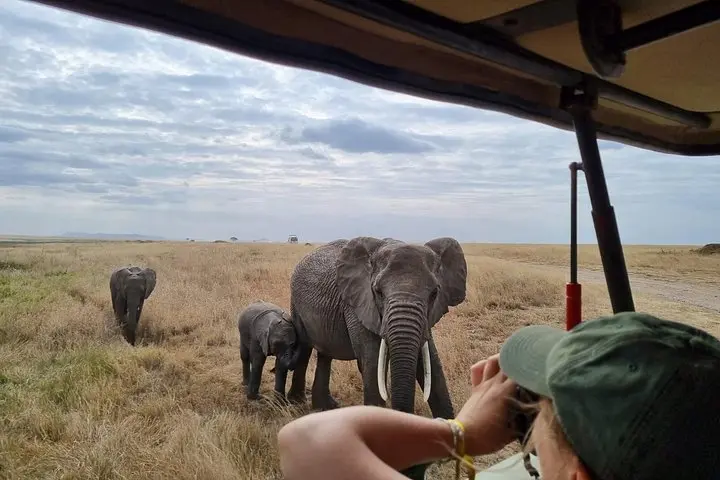
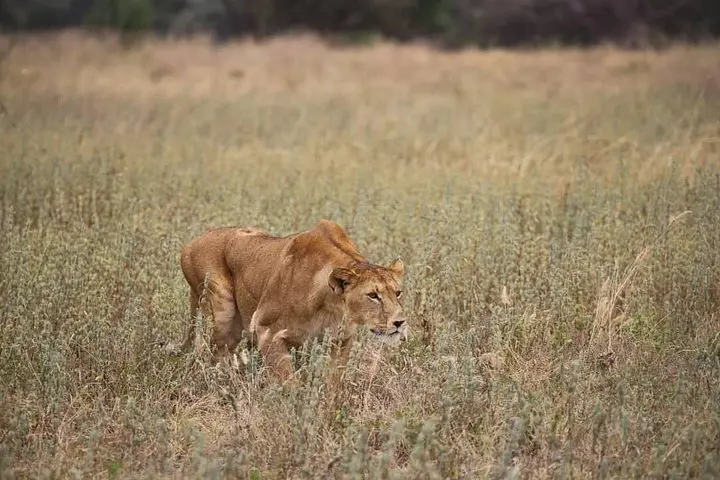
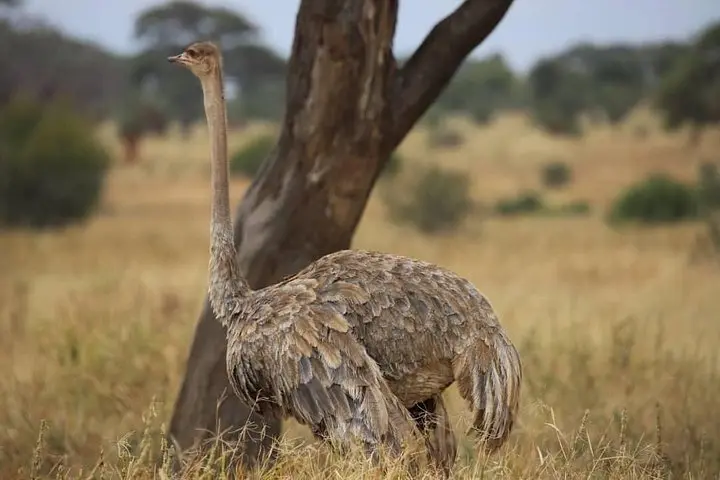
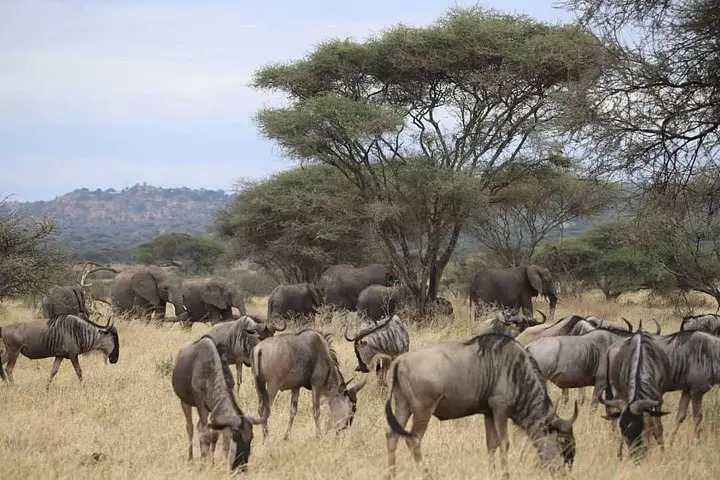
On day one the park opens like a living map: Tarangire’s famed herds of elephants move through grass and acacia, while the plains offer sharp views of predators and plains game. The park’s sandy tracks and seasonal marshes push the day’s pace; guides read spoor and movements, giving you a front-row seat to animal behavior.
By day two you descend into Ngorongoro’s caldera, a vast volcanic bowl carved when a giant volcano collapsed centuries ago. The crater floor concentrates wildlife—the density of grazers and predators here is a geological and ecological quirk that rewards early starts and patient watching. Along the way, Maasai pastoral history threads the journey; you’ll pass grazing livestock and hear about land use and traditions that shape conservation debates.
Practicalities dictate the rhythm: expect long drives between parks (3–4 hours from Arusha), early pick-ups, and dusty roads. Accommodations are basic to mid-range bush camps; Migombani-style options put you close to the parks after a day in the field. Bring layered clothing for cool crater mornings, sun protection, binoculars, and a camera with a good zoom. Cash or card for park fees and gratuities is useful.
This two-day loop balances high-density wildlife viewing with accessible logistics—an efficient safari for travelers wanting the elephant spectacle of Tarangire and the crater’s concentrated wildlife in a short window.
Ngorongoro crater fees are typically included with some operators; confirm with your provider and budget extra for any unpaid park or conservation fees.
Yes—this itinerary is rated easy and accessible, but long drives and early starts may be tiring; check vehicle access for mobility needs.
Ngorongoro has high wildlife density and good chances for the Big Five, but sightings can’t be guaranteed—animals move unpredictably.
Standard travel vaccinations, malaria prophylaxis, and up-to-date tetanus are commonly advised—consult a travel clinic for personalized recommendations.
Tarry Adventures and Safaris operates guided outdoor trips and adventures with an emphasis on safety, stewardship, and memorable experiences.
Dawn comes fast across the northern Tanzanian plains—gold edges the baobab silhouettes in Tarangire and the land exhales as vehicles line up for the first game drive.
Dawn comes fast across the northern Tanzanian plains—gold edges the baobab silhouettes in Tarangire and the land exhales as vehicles line up for the first game drive.
On day one the park opens like a living map: Tarangire’s famed herds of elephants move through grass and acacia, while the plains offer sharp views of predators and plains game. The park’s sandy tracks and seasonal marshes push the day’s pace; guides read spoor and movements, giving you a front-row seat to animal behavior.
By day two you descend into Ngorongoro’s caldera, a vast volcanic bowl carved when a giant volcano collapsed centuries ago. The crater floor concentrates wildlife—the density of grazers and predators here is a geological and ecological quirk that rewards early starts and patient watching. Along the way, Maasai pastoral history threads the journey; you’ll pass grazing livestock and hear about land use and traditions that shape conservation debates.
Practicalities dictate the rhythm: expect long drives between parks (3–4 hours from Arusha), early pick-ups, and dusty roads. Accommodations are basic to mid-range bush camps; Migombani-style options put you close to the parks after a day in the field. Bring layered clothing for cool crater mornings, sun protection, binoculars, and a camera with a good zoom. Cash or card for park fees and gratuities is useful.
This two-day loop balances high-density wildlife viewing with accessible logistics—an efficient safari for travelers wanting the elephant spectacle of Tarangire and the crater’s concentrated wildlife in a short window.