THE ADVENTURE COLLECTIVE® · Independent discovery and booking for outdoor travel

A compact two-day safari that pairs Tarangire’s elephant-rich floodplains with the enclosed abundance of Ngorongoro Crater. Perfect for travelers who want maximum wildlife viewing on a short schedule.
A compact two-day safari that pairs Tarangire’s elephant-rich floodplains with the enclosed abundance of Ngorongoro Crater. Perfect for travelers who want maximum wildlife viewing on a short schedule.
Dawn finds the land between Arusha and the Rift Valley alive: long grass bends under cool wind, baobab silhouettes puncture the skyline and dusty tracks lead to water where animals gather.
Verified experiences and guided adventures in the surrounding area.
Operated by Budget Safaris Tanzania · Arusha, Arusha Region
Dawn finds the land between Arusha and the Rift Valley alive: long grass bends under cool wind, baobab silhouettes puncture the skyline and dusty tracks lead to water where animals gather.
On day one the safari heads into Tarangire National Park, where the riverbed shapes animal movement and vast elephant herds claim the plains. The park’s low-lying pans and baobab-studded floodplains concentrate wildlife in the dry months and create dramatic predator-prey dynamics that are easy to watch from a shaded game vehicle.
Day two drops you into the Ngorongoro Crater, the world’s largest intact volcanic caldera. The crater floor—an enclosed basin of grassy plains, swamps and a hippo pool—supports high densities of grazers and predators. The area sits within the Ngorongoro Conservation Area, where Maasai pastoral traditions intersect with conservation policy, and UNESCO recognition highlights both geological and cultural value.
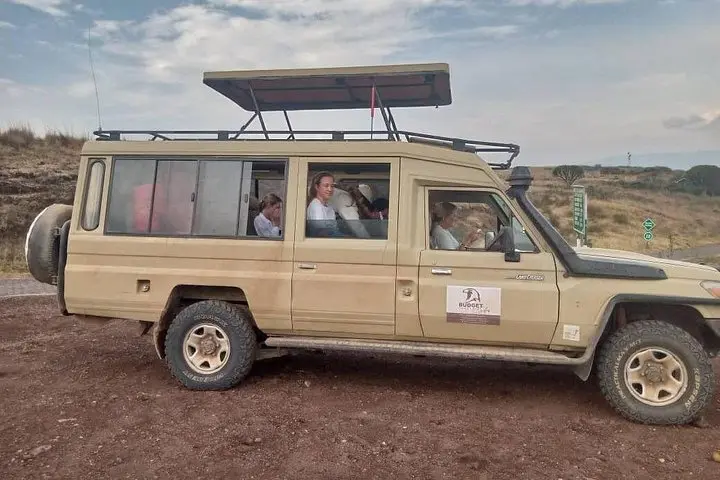
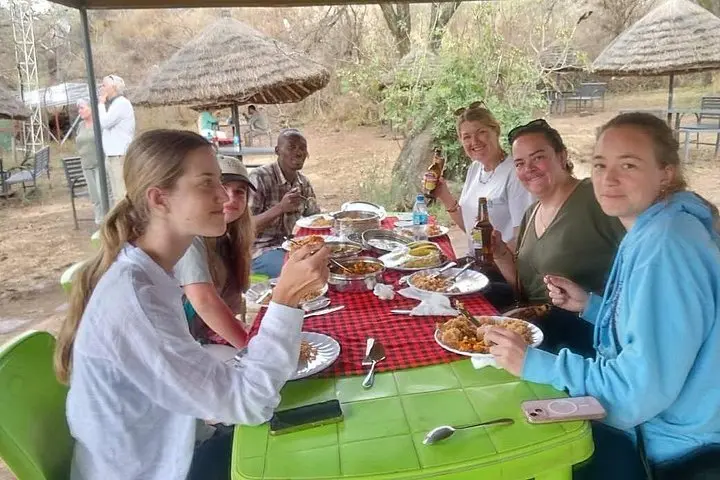
Practical side: expect early starts to catch animals at active hours, unpaved roads that can be rutted after rains, and game drives lasting several hours with picnic breaks. Park fees and a professional guide are typically included; bring binoculars, a light jacket for morning chill, and sun protection for midday. Vehicle access is 4x2 friendly on common routes but heavy rain can make access difficult.
This two-day loop balances high-probability sightings — elephants, buffalo, zebras, lions and the occasional black rhino sign — with short transfers and a lodge night, making it an efficient wildlife primer for first-time Tanzania visitors.
Each game drive is typically 4–6 hours with stops for photography and a picnic lunch; expect transfers between parks of 2–4 hours.
Most organized two-day packages include park fees, accommodation, meals listed, and a professional driver/guide—confirm at booking.
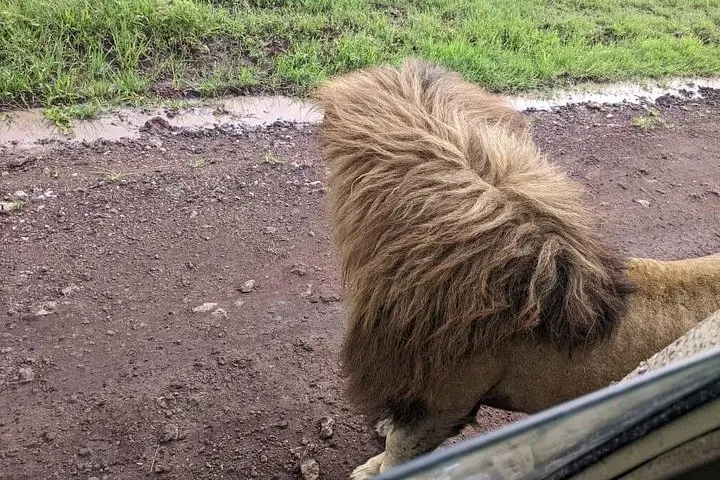
Ngorongoro hosts the Big Five and Tarangire frequently delivers large elephant herds and lions; sightings are common but never guaranteed.
The tour is family-friendly and marked wheelchair accessible in many operations, but unpaved roads and long vehicle periods can challenge mobility—check operator details for vehicle accessibility.
Budget Safaris Tanzania operates guided outdoor trips and adventures with an emphasis on safety, stewardship, and memorable experiences.
Dawn finds the land between Arusha and the Rift Valley alive: long grass bends under cool wind, baobab silhouettes puncture the skyline and dusty tracks lead to water where animals gather.
Dawn finds the land between Arusha and the Rift Valley alive: long grass bends under cool wind, baobab silhouettes puncture the skyline and dusty tracks lead to water where animals gather.
On day one the safari heads into Tarangire National Park, where the riverbed shapes animal movement and vast elephant herds claim the plains. The park’s low-lying pans and baobab-studded floodplains concentrate wildlife in the dry months and create dramatic predator-prey dynamics that are easy to watch from a shaded game vehicle.
Day two drops you into the Ngorongoro Crater, the world’s largest intact volcanic caldera. The crater floor—an enclosed basin of grassy plains, swamps and a hippo pool—supports high densities of grazers and predators. The area sits within the Ngorongoro Conservation Area, where Maasai pastoral traditions intersect with conservation policy, and UNESCO recognition highlights both geological and cultural value.
Practical side: expect early starts to catch animals at active hours, unpaved roads that can be rutted after rains, and game drives lasting several hours with picnic breaks. Park fees and a professional guide are typically included; bring binoculars, a light jacket for morning chill, and sun protection for midday. Vehicle access is 4x2 friendly on common routes but heavy rain can make access difficult.
This two-day loop balances high-probability sightings — elephants, buffalo, zebras, lions and the occasional black rhino sign — with short transfers and a lodge night, making it an efficient wildlife primer for first-time Tanzania visitors.