THE ADVENTURE COLLECTIVE® · Independent discovery and booking for outdoor travel

Two days of concentrated safari—Tarangire’s elephant-dotted plains followed by a dramatic descent into Ngorongoro Crater. This short loop from Arusha packs iconic wildlife, geological drama and tented-camp nights into a weekend-ready itinerary.
Two days of concentrated safari—Tarangire’s elephant-dotted plains followed by a dramatic descent into Ngorongoro Crater. This short loop from Arusha packs iconic wildlife, geological drama and tented-camp nights into a weekend-ready itinerary.
You step out of the vehicle just after dawn and the air is quick with dust and birdcalls. In Tarangire the road threads between baobabs; herds of elephants cross ahead like deliberate shadows. On day two the world drops away—over 600 meters—into Ngorongoro Crater, a bowl of grassland, acacia and a glassy alkaline lake where flamingos often rim the shore.
Verified experiences and guided adventures in the surrounding area.
Operated by Gracepatt Ecotours Kenya · Arusha, Arusha Region
You step out of the vehicle just after dawn and the air is quick with dust and birdcalls. In Tarangire the road threads between baobabs; herds of elephants cross ahead like deliberate shadows. On day two the world drops away—over 600 meters—into Ngorongoro Crater, a bowl of grassland, acacia and a glassy alkaline lake where flamingos often rim the shore.
These two protected areas sit on the eastern arm of the East African Rift. Tarangire’s lifeline is the river that concentrates wildlife in the dry season; Ngorongoro is a collapsed caldera whose geology and reliable water supply create one of Africa’s densest wildlife habitats. Maasai pastoralists have grazed these highlands for centuries, and the Ngorongoro Conservation Area balances traditional land use with UNESCO-listed conservation.
The itinerary covers early pickups from Arusha, a morning game drive and boxed lunch in Tarangire, an overnight at a tented camp near the park, then a full-day descent into Ngorongoro with visits to Lake Magadi and multiple game drives before returning to Arusha.
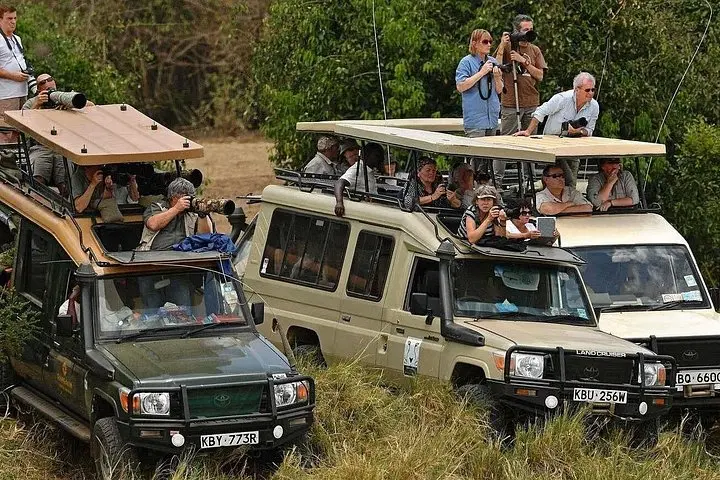
Practicalities: expect early mornings, dusty roads and long stretches in a safari vehicle—bring sun protection, layered clothing for cool crater mornings and a good pair of closed-toe shoes. Park entry fees, two lunches and two dinners, bottled water, transport and accommodation as listed are included. Wildlife viewing peaks in the dry months (June–October) when animals concentrate around water, but birding is superb in the green seasons. Respect park rules: stay in your vehicle except at designated stops, keep noise low and follow guide instructions to minimize impact and maximize sightings.
Yes—park entry fees are listed as included in the tour package.
The itinerary lists Sangaiwe Tented Camp or similar tented camp accommodation near Tarangire for the overnight stay.
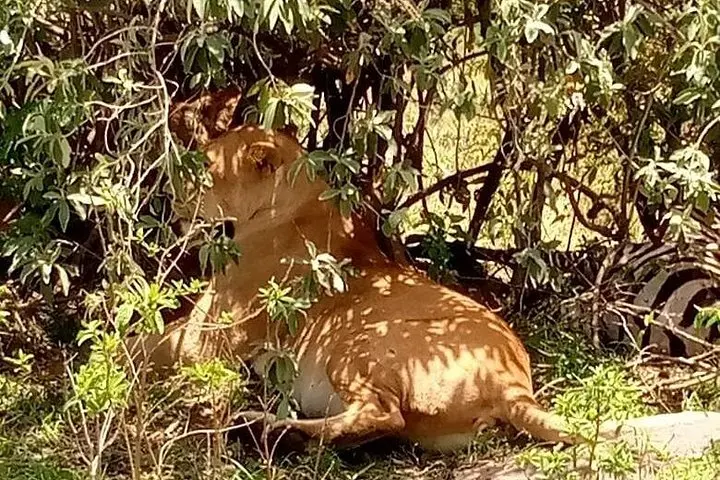
Ngorongoro supports most of the Big Five and sightings of elephants and lions are common, but sightings are never guaranteed; leopards are elusive and rhinos are rare.
The itinerary allows a full day in Ngorongoro with approximately a 600-meter descent into the crater and multiple game drives—expect several hours of vehicle-based viewing plus short stops.
Gracepatt Ecotours Kenya operates guided outdoor trips and adventures with an emphasis on safety, stewardship, and memorable experiences.
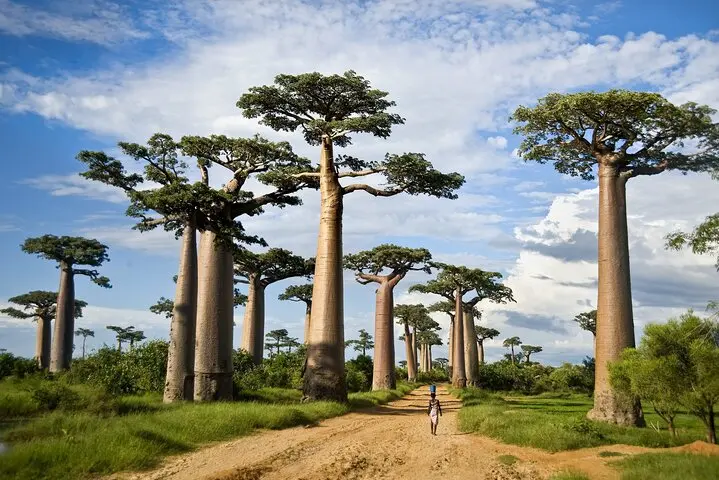
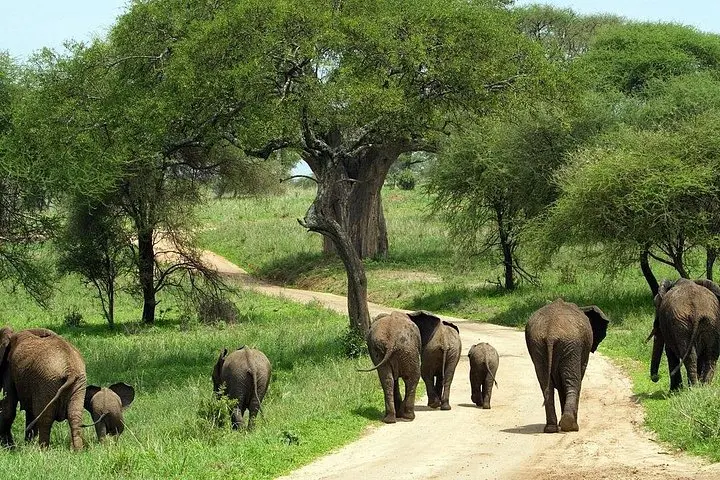
You step out of the vehicle just after dawn and the air is quick with dust and birdcalls. In Tarangire the road threads between baobabs; herds of elephants cross ahead like deliberate shadows. On day two the world drops away—over 600 meters—into Ngorongoro Crater, a bowl of grassland, acacia and a glassy alkaline lake where flamingos often rim the shore.
You step out of the vehicle just after dawn and the air is quick with dust and birdcalls. In Tarangire the road threads between baobabs; herds of elephants cross ahead like deliberate shadows. On day two the world drops away—over 600 meters—into Ngorongoro Crater, a bowl of grassland, acacia and a glassy alkaline lake where flamingos often rim the shore.
These two protected areas sit on the eastern arm of the East African Rift. Tarangire’s lifeline is the river that concentrates wildlife in the dry season; Ngorongoro is a collapsed caldera whose geology and reliable water supply create one of Africa’s densest wildlife habitats. Maasai pastoralists have grazed these highlands for centuries, and the Ngorongoro Conservation Area balances traditional land use with UNESCO-listed conservation.
The itinerary covers early pickups from Arusha, a morning game drive and boxed lunch in Tarangire, an overnight at a tented camp near the park, then a full-day descent into Ngorongoro with visits to Lake Magadi and multiple game drives before returning to Arusha.
Practicalities: expect early mornings, dusty roads and long stretches in a safari vehicle—bring sun protection, layered clothing for cool crater mornings and a good pair of closed-toe shoes. Park entry fees, two lunches and two dinners, bottled water, transport and accommodation as listed are included. Wildlife viewing peaks in the dry months (June–October) when animals concentrate around water, but birding is superb in the green seasons. Respect park rules: stay in your vehicle except at designated stops, keep noise low and follow guide instructions to minimize impact and maximize sightings.