THE ADVENTURE COLLECTIVE® · Independent discovery and booking for outdoor travel

A compact two-day journey from Hanoi into the Hoang Lien mountains: descend to Cat Cat village, walk through rice-terraced Lao Chai and Ta Van, and choose Ham Rong views or the optional Fansipan cable car. Expect cultural encounters, a 6-hour transfer each way, and moderate trekking on uneven trails.
A compact two-day journey from Hanoi into the Hoang Lien mountains: descend to Cat Cat village, walk through rice-terraced Lao Chai and Ta Van, and choose Ham Rong views or the optional Fansipan cable car. Expect cultural encounters, a 6-hour transfer each way, and moderate trekking on uneven trails.
Morning rice terraces breathe steam as the Dcar rolls north out of Hanoi; by late afternoon you stand on a ridge above Muong Hoa Valley, terraces folding away like staircases cut into the mountains. The first day drops you from Sapa town down to Cat Cat village, a compact H’mong settlement where wooden stilt houses, hand-loomed textiles, and the rush of Cat Cat Waterfall form a living snapshot of minority life.
Verified experiences and guided adventures in the surrounding area.
Operated by SST TRAVEL · Sapa, Lao Cai
Morning rice terraces breathe steam as the Dcar rolls north out of Hanoi; by late afternoon you stand on a ridge above Muong Hoa Valley, terraces folding away like staircases cut into the mountains. The first day drops you from Sapa town down to Cat Cat village, a compact H’mong settlement where wooden stilt houses, hand-loomed textiles, and the rush of Cat Cat Waterfall form a living snapshot of minority life.
The highland around Sapa sits on the Hoang Lien range, carved from ancient uplift and glacial action, with Fansipan—Indochina’s roof at 3,143 m—looming on the skyline. The valley’s geology channels mist and rain into tiers of rice paddies that local Tay and Black H’mong families have farmed for generations; French colonial-era tracks and modern cable cars now meet at viewpoints like Ham Rong. Expect close cultural encounters: market stalls, weaving demonstrations, and farms where water buffalo still graze.
Practically, the tour pairs roughly a 6-hour door-to-door transfer each way with two moderate day-hikes: a short downhill path to Cat Cat and a longer walk through Lao Chai and Ta Van’s terraces (commonly 6–10 km of mixed trail, gentle ascents/descents). Fansipan access is optional by cable car (not included) or tougher summit attempts for experienced climbers.
Bring sturdy shoes, rain protection, cash for village purchases, and a layered system for rapidly shifting mountain weather. Hydrate on the road, give yourself time for short breaks on steep sections, and respect local customs when visiting family homes—these choices make the scenery and culture you encounter all the more rewarding.
The Dcar transfer typically takes about 5–6 hours each way depending on traffic and stops; the itinerary schedules an early morning departure from Hanoi.
No — the cable car or train up to the Fansipan station is optional and not included in the tour price; the itinerary offers Ham Rong as the planned hike.
Moderate fitness is recommended: expect several hours of walking across uneven trails and some steep sections, but no technical climbing is required for the scheduled routes.
Yes — the tour includes one night in a 3-star hotel and two lunches plus one hotel breakfast, as listed in the inclusions.
SST TRAVEL operates guided outdoor trips and adventures with an emphasis on safety, stewardship, and memorable experiences.


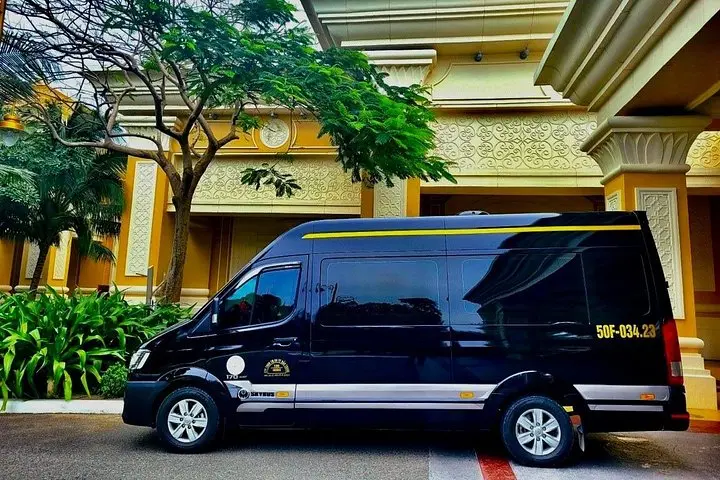

Morning rice terraces breathe steam as the Dcar rolls north out of Hanoi; by late afternoon you stand on a ridge above Muong Hoa Valley, terraces folding away like staircases cut into the mountains. The first day drops you from Sapa town down to Cat Cat village, a compact H’mong settlement where wooden stilt houses, hand-loomed textiles, and the rush of Cat Cat Waterfall form a living snapshot of minority life.
Morning rice terraces breathe steam as the Dcar rolls north out of Hanoi; by late afternoon you stand on a ridge above Muong Hoa Valley, terraces folding away like staircases cut into the mountains. The first day drops you from Sapa town down to Cat Cat village, a compact H’mong settlement where wooden stilt houses, hand-loomed textiles, and the rush of Cat Cat Waterfall form a living snapshot of minority life.
The highland around Sapa sits on the Hoang Lien range, carved from ancient uplift and glacial action, with Fansipan—Indochina’s roof at 3,143 m—looming on the skyline. The valley’s geology channels mist and rain into tiers of rice paddies that local Tay and Black H’mong families have farmed for generations; French colonial-era tracks and modern cable cars now meet at viewpoints like Ham Rong. Expect close cultural encounters: market stalls, weaving demonstrations, and farms where water buffalo still graze.
Practically, the tour pairs roughly a 6-hour door-to-door transfer each way with two moderate day-hikes: a short downhill path to Cat Cat and a longer walk through Lao Chai and Ta Van’s terraces (commonly 6–10 km of mixed trail, gentle ascents/descents). Fansipan access is optional by cable car (not included) or tougher summit attempts for experienced climbers.
Bring sturdy shoes, rain protection, cash for village purchases, and a layered system for rapidly shifting mountain weather. Hydrate on the road, give yourself time for short breaks on steep sections, and respect local customs when visiting family homes—these choices make the scenery and culture you encounter all the more rewarding.