THE ADVENTURE COLLECTIVE® · Independent discovery and booking for outdoor travel

Catch the overnight bus from Hanoi to Sapa, ride the Fansipan cable car to the summit and trek through H’mong and Red Dao villages in a two-day cultural and mountain adventure. Expect terraces, homestays, and a short climb to the peak.
Catch the overnight bus from Hanoi to Sapa, ride the Fansipan cable car to the summit and trek through H’mong and Red Dao villages in a two-day cultural and mountain adventure. Expect terraces, homestays, and a short climb to the peak.
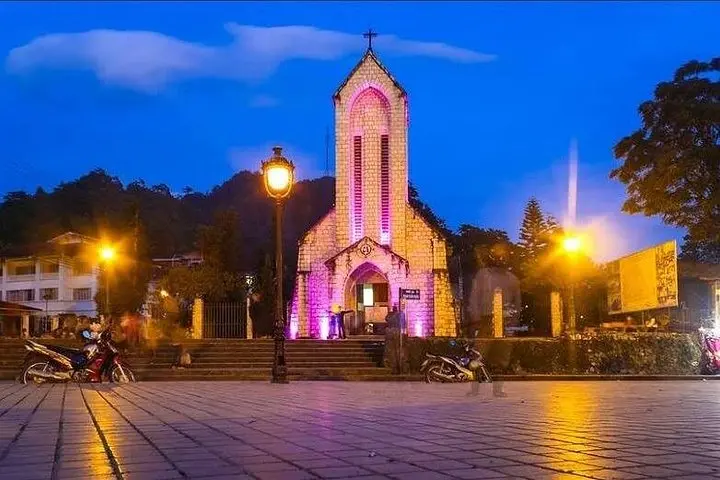
You step off an overnight sleeper bus into a thin, cool dawn and the air already smells of wet earth and wood smoke. Lantern-lit lanes in Sapa give way to terraces climbing the hillsides; voices of H’mong women and the distant chime of a temple bell punctuate the morning.
Verified experiences and guided adventures in the surrounding area.
Operated by Sapa May Travel · Sapa, Lào Cai Province
You step off an overnight sleeper bus into a thin, cool dawn and the air already smells of wet earth and wood smoke. Lantern-lit lanes in Sapa give way to terraces climbing the hillsides; voices of H’mong women and the distant chime of a temple bell punctuate the morning.
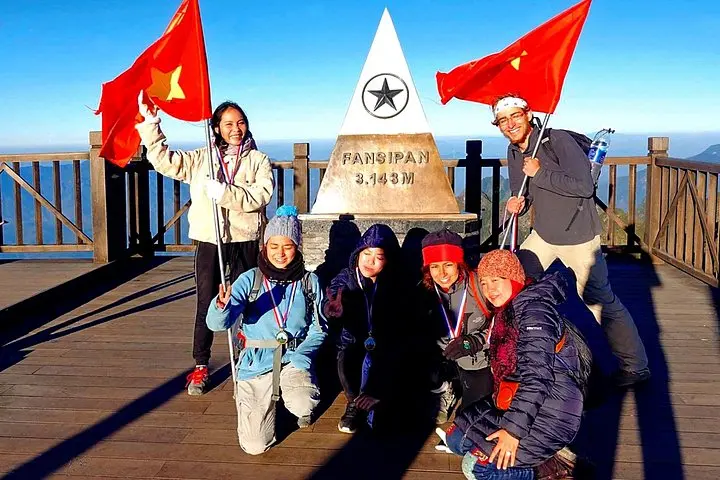
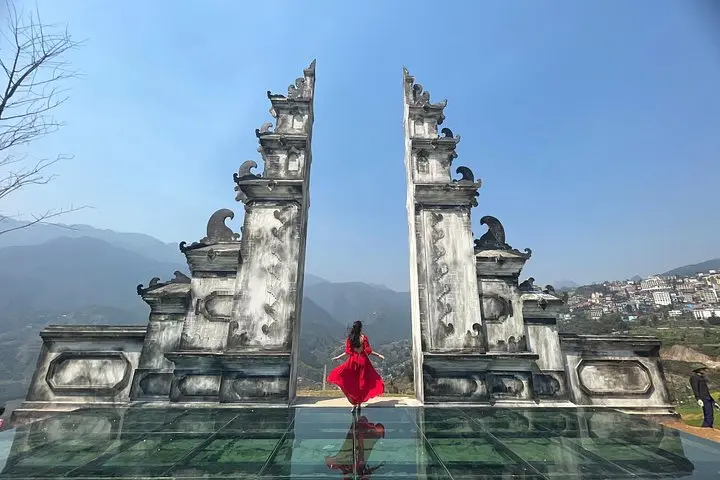
Fansipan, the roof of Indochina, rises from folded limestone and shale—geology shaped by tectonic uplift and millennia of monsoon erosion. The cable car spans roughly 6,292.5 meters, cutting across deep valleys to a station a short stair climb from the summit. Nearby valleys—Muong Hoa and its tributaries—feed the terraces that generations of Red Dao and H’mong families have carved into steep slopes. Ta Van, Lao Chai and Giang Ta Chai preserve distinct handicraft and textile traditions; homestays offer a close look at daily life and local cuisine.
On the trail you’ll encounter narrow village paths, small bamboo bridges, and sections of stony switchback; expect a mix of packed dirt and loose rock. Typical walking on day hikes ranges from 2–4 km stretches between villages with modest elevation shifts, but the cumulative day is physically demanding.
Practical guidance: bring layered clothing for rapid temperature swings, sturdy footwear with ankle support, and 2–3 liters of water per day. Plan for early starts to avoid midday haze and to maximize views from the cable car. The homestay provides a private room and two full meals; tipping and respectful photo requests are customary. This is a compact, high-intensity cultural trek—prepare for steep steps, uneven paths and rewarding panoramas.
The cable car line spans about 6,292.5 meters and delivers you to a station a short stair climb (around 600 steps) from the summit viewpoint.
Yes — the tour includes two breakfasts, two lunches and dinners as listed, plus a private homestay room in Ta Van village.
No — the itinerary involves steep stairs, uneven village paths and short climbs; it’s not recommended for people with spinal or heart problems or significant mobility limitations.
Travel is by VIP cabin sleeping bus round-trip; the schedule includes an overnight bus to Sapa and return in the evening of day two.
Sapa May Travel operates guided outdoor trips and adventures with an emphasis on safety, stewardship, and memorable experiences.

You step off an overnight sleeper bus into a thin, cool dawn and the air already smells of wet earth and wood smoke. Lantern-lit lanes in Sapa give way to terraces climbing the hillsides; voices of H’mong women and the distant chime of a temple bell punctuate the morning.
You step off an overnight sleeper bus into a thin, cool dawn and the air already smells of wet earth and wood smoke. Lantern-lit lanes in Sapa give way to terraces climbing the hillsides; voices of H’mong women and the distant chime of a temple bell punctuate the morning.
Fansipan, the roof of Indochina, rises from folded limestone and shale—geology shaped by tectonic uplift and millennia of monsoon erosion. The cable car spans roughly 6,292.5 meters, cutting across deep valleys to a station a short stair climb from the summit. Nearby valleys—Muong Hoa and its tributaries—feed the terraces that generations of Red Dao and H’mong families have carved into steep slopes. Ta Van, Lao Chai and Giang Ta Chai preserve distinct handicraft and textile traditions; homestays offer a close look at daily life and local cuisine.
On the trail you’ll encounter narrow village paths, small bamboo bridges, and sections of stony switchback; expect a mix of packed dirt and loose rock. Typical walking on day hikes ranges from 2–4 km stretches between villages with modest elevation shifts, but the cumulative day is physically demanding.
Practical guidance: bring layered clothing for rapid temperature swings, sturdy footwear with ankle support, and 2–3 liters of water per day. Plan for early starts to avoid midday haze and to maximize views from the cable car. The homestay provides a private room and two full meals; tipping and respectful photo requests are customary. This is a compact, high-intensity cultural trek—prepare for steep steps, uneven paths and rewarding panoramas.