THE ADVENTURE COLLECTIVE® · Independent discovery and booking for outdoor travel

Board the sleeper train from Hanoi and arrive to misty mountains and carved terraces. This two-day guided trek through Muong Hoa Valley ends with an overnight homestay among Black Hmong and Red Dzao communities.
Board the sleeper train from Hanoi and arrive to misty mountains and carved terraces. This two-day guided trek through Muong Hoa Valley ends with an overnight homestay among Black Hmong and Red Dzao communities.
You step off the late-night train into a cool Lao Cai dawn, mountains breathing mist across terraced rice. The trail into Muong Hoa Valley unfolds like a living map—stream gullies cutting through layered paddies, village paths that climb and fall with the land’s natural rhythm. Trees lean in; the breeze seems to nudge you forward.
Verified experiences and guided adventures in the surrounding area.
Operated by Old Quarter Travel · Sapa, Lao Cai Province
You step off the late-night train into a cool Lao Cai dawn, mountains breathing mist across terraced rice. The trail into Muong Hoa Valley unfolds like a living map—stream gullies cutting through layered paddies, village paths that climb and fall with the land’s natural rhythm. Trees lean in; the breeze seems to nudge you forward.
This route threads through the Hoang Lien Son foothills, the geologic uplift that raised Fansipan and carved the valley’s steep terraces. Local Black Hmong and Red Dzao communities have shaped these slopes for generations; you’ll pass field plots and stilt houses, see traditional indigo and embroidered textiles, and encounter stone carvings along the Muong Hoa stream—remnants of an old mountain culture.
Expect dirt trails, stepping stones over the stream, bamboo groves, and occasional cobbled village lanes. Elevation sits around 1,200–1,600 m with short, steep pitches rather than long alpine gains. Weather changes fast: sun, wind, and sudden rain are all part of the day.
Practically: this is a guided, moderately paced two-day trek with one homestay night. Pack a waterproof layer, solid boots, and snacks; carry cash for small purchases and tips. The homestay offers simple meals and a chance to join cooking or music—respect local customs, remove shoes where requested, and accept invitations politely. Travel light, hydrate early in the day, and set a steady cadence on muddy descents. The rhythm of rice terraces and village life keeps the trek rewarding rather than punishing—this is walking that connects landscape, culture, and honest effort.
Sapa sits around 1,200–1,600 m; altitude sickness is uncommon, but move at a steady pace and stay hydrated if you’re sensitive to elevation.
Homestays are simple family homes with communal meals, basic bedding, and hot showers when available—expect cultural immersion rather than hotel comforts.
Overnight trains are economical and functional; cabins are shared (usually four berths), so bring earplugs, a mask, and a light blanket for comfort.
Yes—the tour typically leaves large luggage on the bus or at the homestay; carry a daypack for essentials during hikes.
Old Quarter Travel operates guided outdoor trips and adventures with an emphasis on safety, stewardship, and memorable experiences.
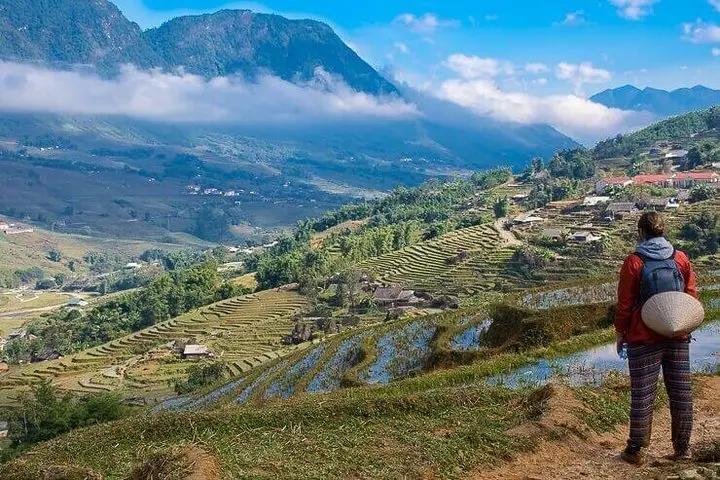
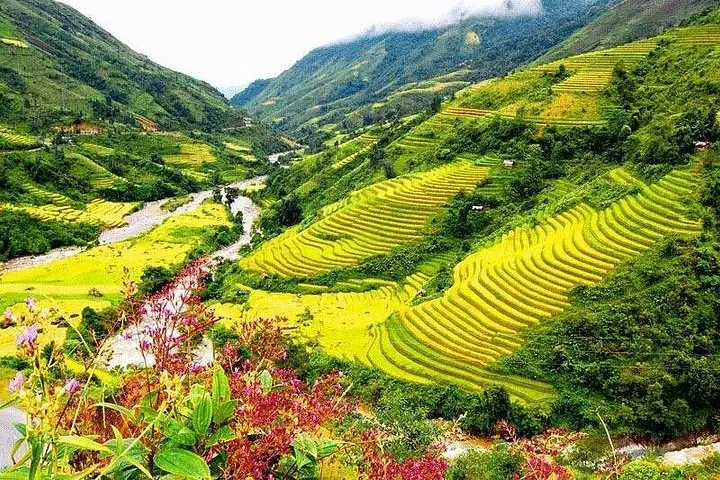
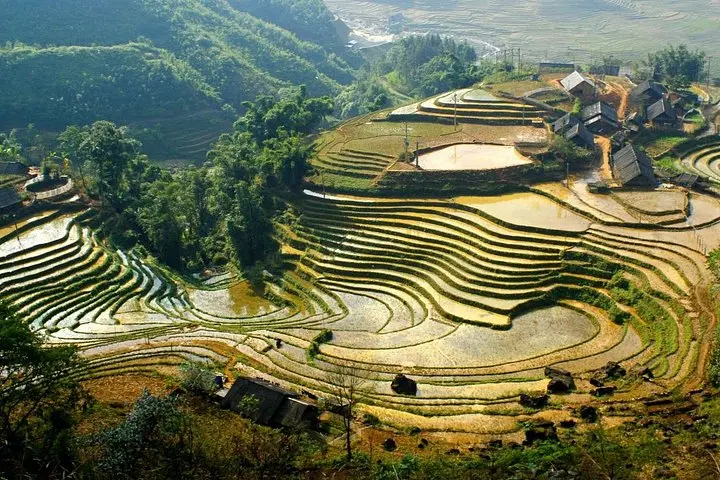
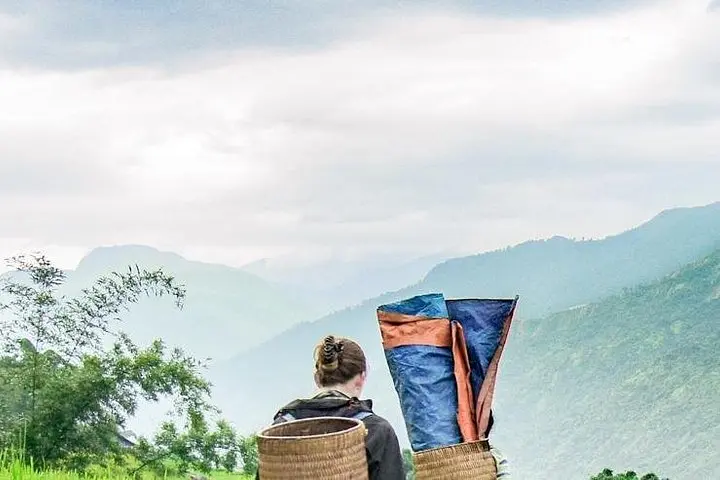
You step off the late-night train into a cool Lao Cai dawn, mountains breathing mist across terraced rice. The trail into Muong Hoa Valley unfolds like a living map—stream gullies cutting through layered paddies, village paths that climb and fall with the land’s natural rhythm. Trees lean in; the breeze seems to nudge you forward.
You step off the late-night train into a cool Lao Cai dawn, mountains breathing mist across terraced rice. The trail into Muong Hoa Valley unfolds like a living map—stream gullies cutting through layered paddies, village paths that climb and fall with the land’s natural rhythm. Trees lean in; the breeze seems to nudge you forward.
This route threads through the Hoang Lien Son foothills, the geologic uplift that raised Fansipan and carved the valley’s steep terraces. Local Black Hmong and Red Dzao communities have shaped these slopes for generations; you’ll pass field plots and stilt houses, see traditional indigo and embroidered textiles, and encounter stone carvings along the Muong Hoa stream—remnants of an old mountain culture.
Expect dirt trails, stepping stones over the stream, bamboo groves, and occasional cobbled village lanes. Elevation sits around 1,200–1,600 m with short, steep pitches rather than long alpine gains. Weather changes fast: sun, wind, and sudden rain are all part of the day.
Practically: this is a guided, moderately paced two-day trek with one homestay night. Pack a waterproof layer, solid boots, and snacks; carry cash for small purchases and tips. The homestay offers simple meals and a chance to join cooking or music—respect local customs, remove shoes where requested, and accept invitations politely. Travel light, hydrate early in the day, and set a steady cadence on muddy descents. The rhythm of rice terraces and village life keeps the trek rewarding rather than punishing—this is walking that connects landscape, culture, and honest effort.